
People and dogs are often perfect companions for one another. Dogs can be sweet and intelligent, and they can provide mental, physical, and emotional support for people.
Dogs are so incredible that they can become therapy pets, airport security agents, and even be part of police forces or the military.
Despite how amazing dogs are, we also have to remember that they are animals with their own free will and emotions, and their own ways of reacting to certain situations.
Unfortunately, that means that sometimes dogs bite, especially if they are scared or nervous. In fact, the CDC reports that there are around 4.5 million dog bites in the United States every year.
Even people who are very experienced with dogs still get bitten once in a while. However, there are things everyone should know in order to prevent and avoid dog bites.
Read on to find out more about dog bites, how to prevent them, and what to do if you're bitten.
Thumbnail Photo: Flickr / Dennis Matheson
Why Do Dogs Bite?

According to the American Veterinary Medical Association (AVMA), dogs bite for a few different reasons.
Dogs may bite because they're stressed, scared, defensive, or threatened.
Dogs are also known to bite if they aren't feeling well, or in order to protect themselves of their territory.
Typically, dogs don't bite without reason — and you can usually tell if a dog is starting to get agitated.
How To Avoid Being Bitten By A Dog
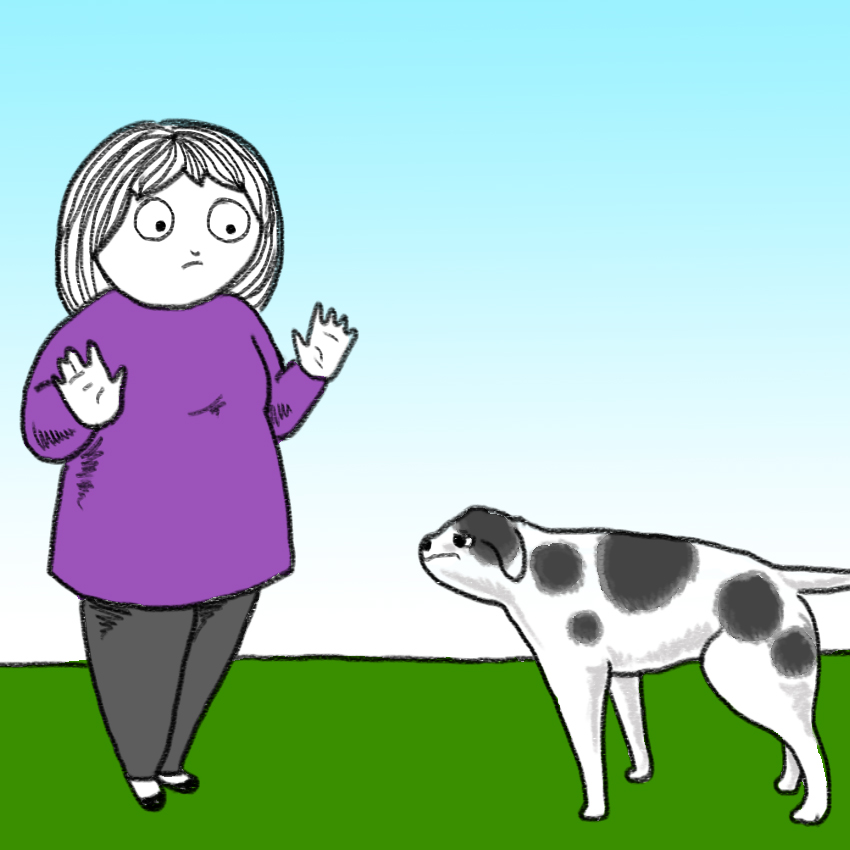
There are a variety of things owners and strangers can do in order to prevent dog bites.
The dog's owner should socialize their pet with other animals and people so that they feel more at ease in new situations. Owners should also always leash their dogs when leaving the home or backyard in order to keep them under control.
Other people can educate themselves on how to interact with new dogs and what signs to look out for.
Many dogs will snarl or growl before biting as a method of showing displeasure. Paying attention to signs like this can help everyone avoid upsetting the dog more.
#1: Ask The Owner For Permission
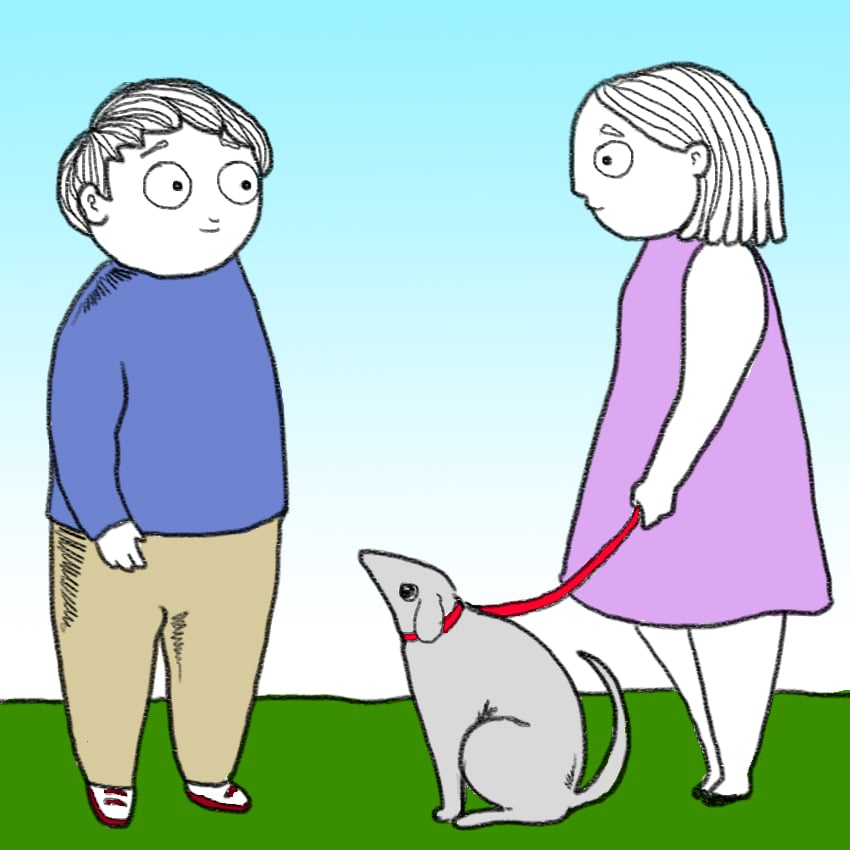
If you're meeting a dog for the first time — say, at the park or on the street — the first thing you need to do is ask the owner for permission to pet their dog.
The owner knows the dog best out of anyone, so they will know their temperament and whether or not the dog reacts well to strangers.
Additionally, some dogs are very defensive and want to protect themselves and their owners. If you just bend down to pet them, they may react negatively, which could lead to a bite.
#2: Let The Dog Approach You
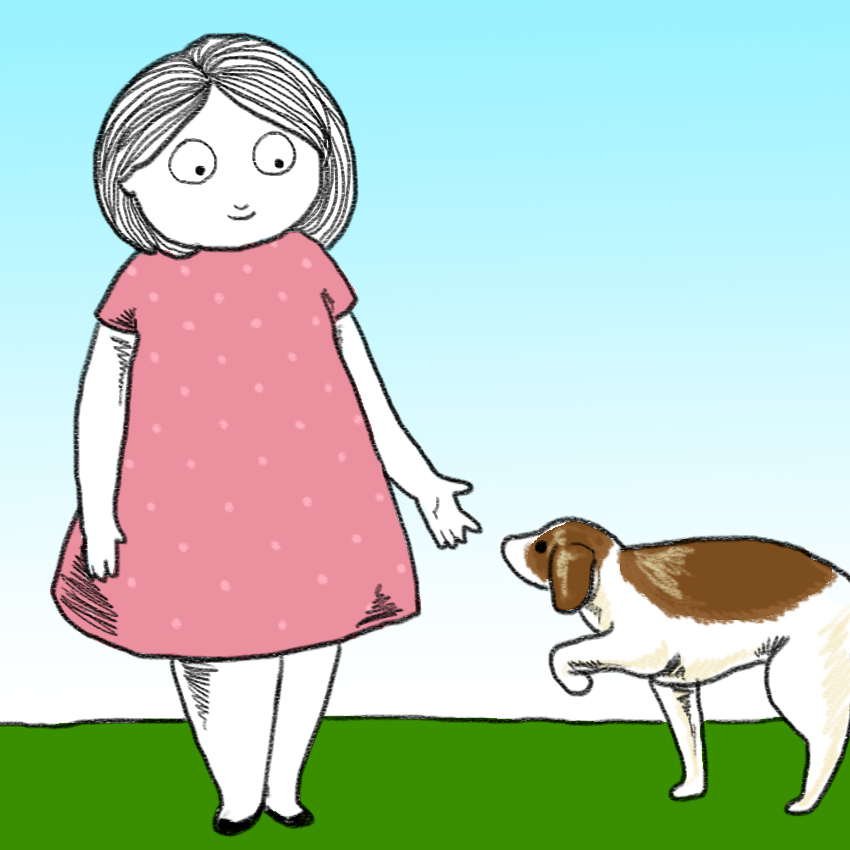
If you are greeting an unfamiliar dog, never directly approach them, as they may see this as an act of aggression.
Instead, stay still and allow the dog to approach you first. This will give them a chance to sniff you and understand that you are not a threat.
This is also true if you spot a dog running loose in the street. An off-leash dog might be scared and act defensive first, so don't chase the dog down.
#3: Don't Stare Into The Dog's Eyes
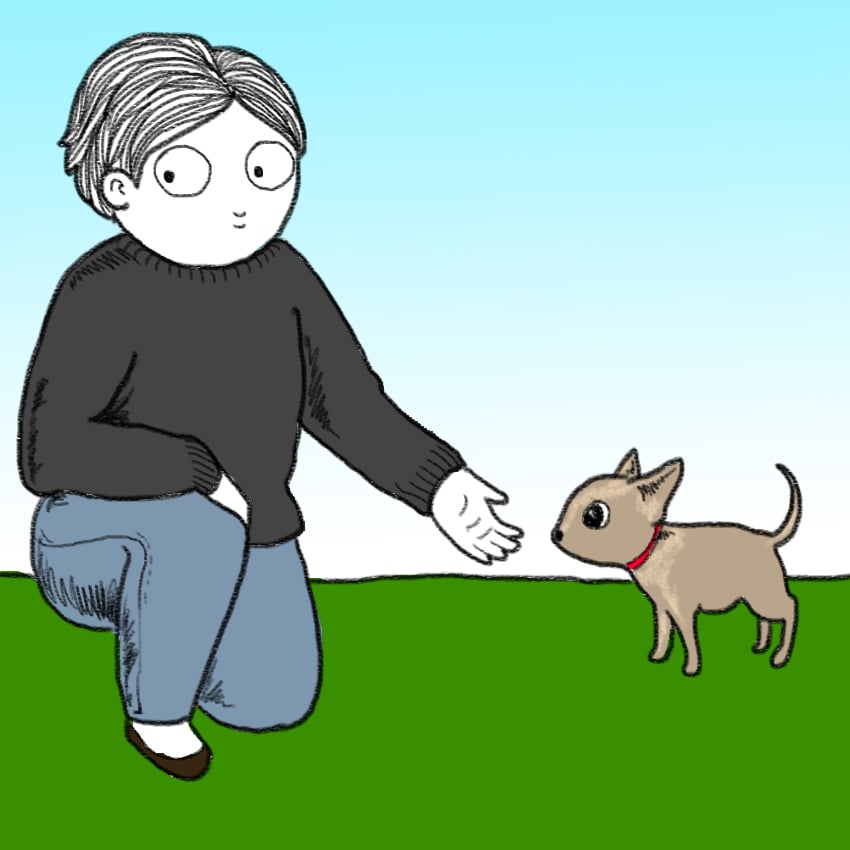
If you stare a dog directly in the eyes, many will understand this action as a threat.
The CDC explains that you should "stand with the side of your body facing the dog. Facing a dog directly can appear aggressive to the dog."
#4: Don't Disturb A Dog Who Is Eating Or Sleeping
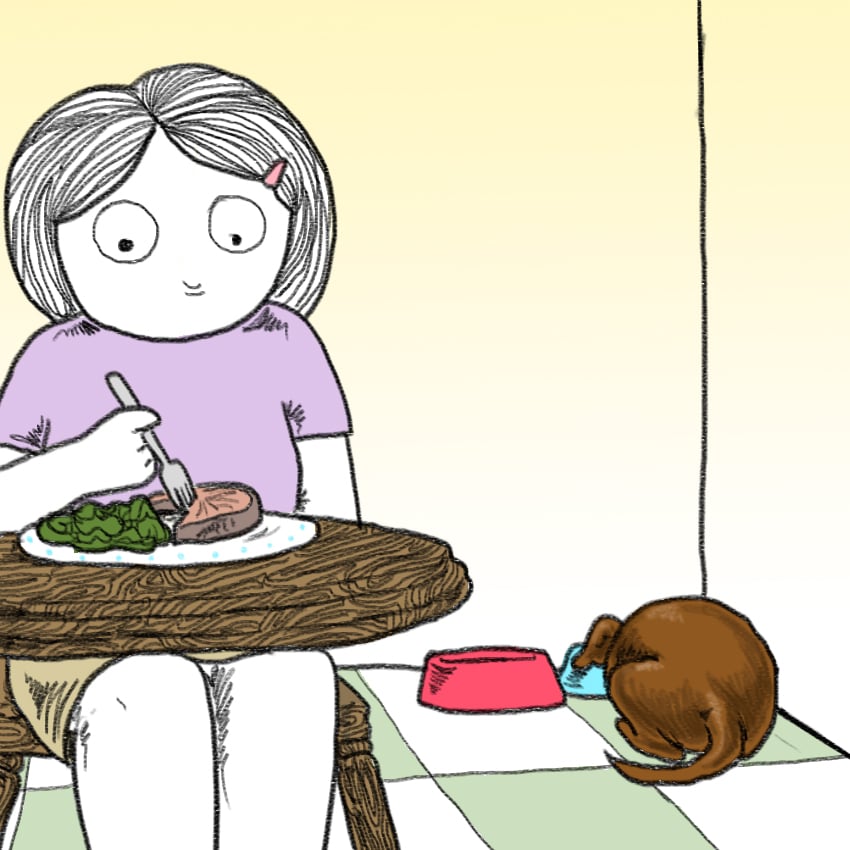
Most dogs are protective of their food, so approaching them while they're eating is never a good idea. Even people they love may be at risk of getting bitten if the dog thinks their food is going to be taken away.
Additionally, you should never disturb a sleeping dog. Dogs are fully relaxed when they're sleeping and they aren't expecting to be interrupted. If they are, they may be surprised or scared and may respond aggressively.
#5: Don't Come Between A Mama And Her Pups
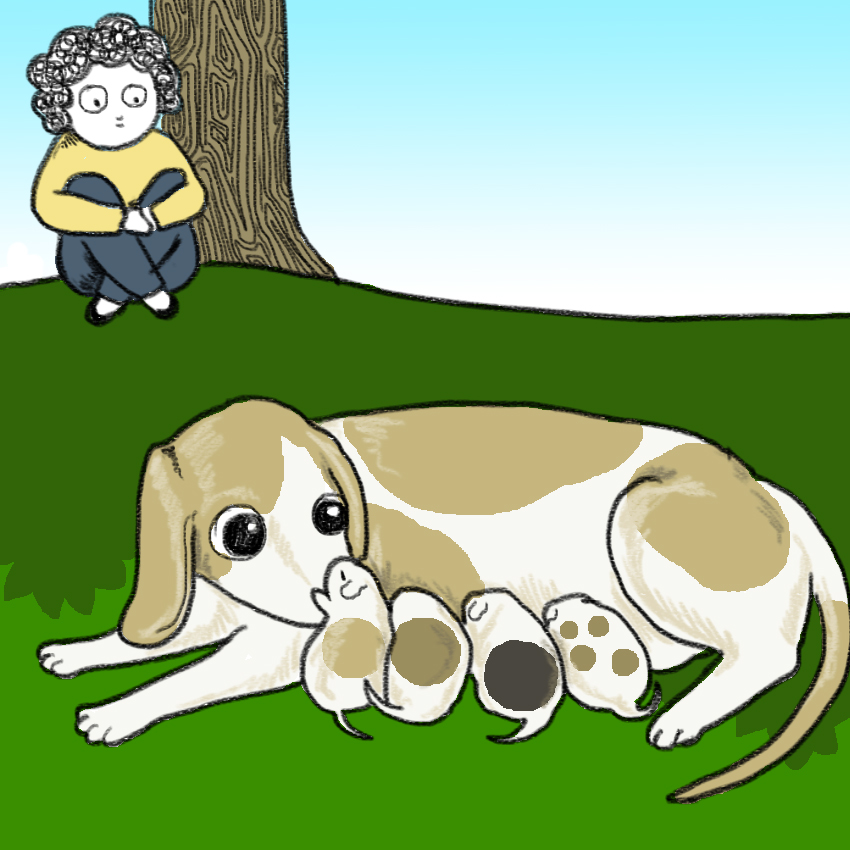
Most people know this, but you should never get between a mama and her pups.
This is true for almost any animal — from bears to moose — and it is definitely the case for dogs.
If a dog is nursing her puppies, she will be very defensive and won't hesitate to do whatever is necessary to protect her babies.
#6: Don't Pet The Dog's Head
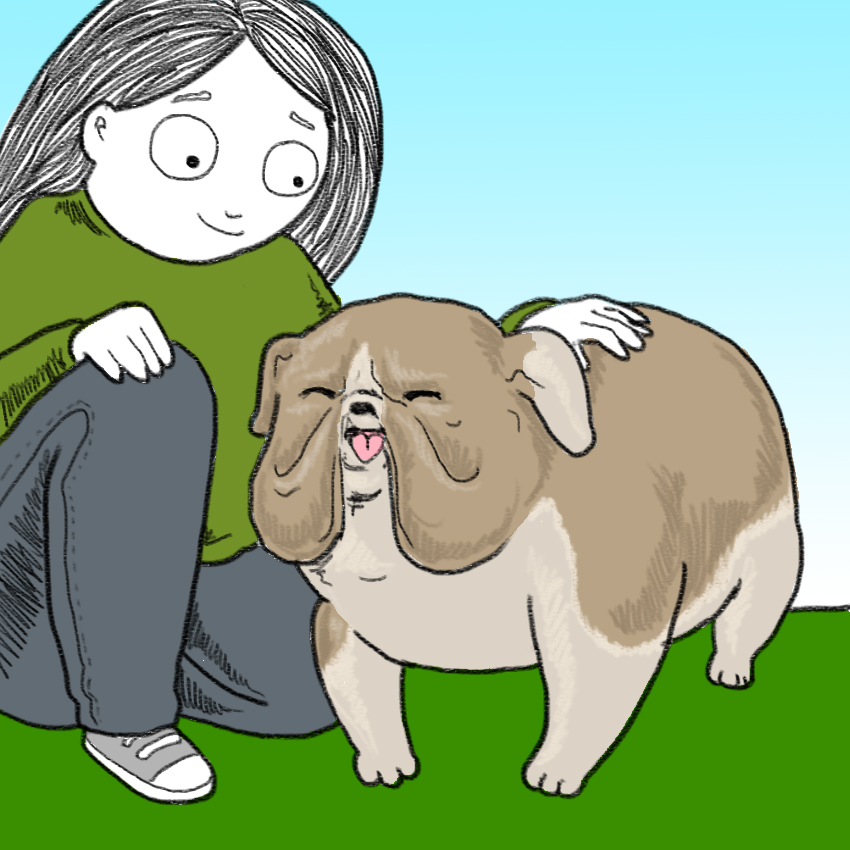
Most people know that they shouldn't reach for a dog's paws, neck, or belly when meeting them for the first time, but they don't realize that some dogs are protective of their heads.
Since some dogs don't like to be pet on the head, it's best to pet them on the back or side until you know them well enough to go for an ear scratch or head rub.
#7: Don't Panic
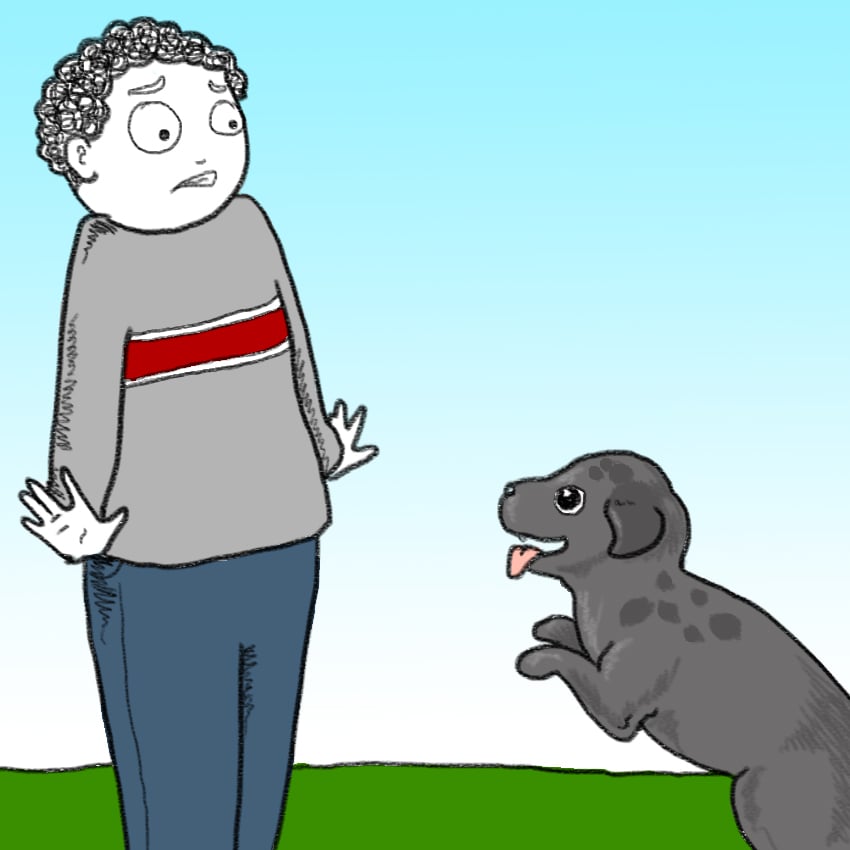
If a dog seems to be coming at you aggressively, don't panic.
Stay still and stay calm. Don't run away and don't make any loud noises.
In a steady, low voice, tell the dog "Go home" or "No." Many dogs understand that a low voice is the human version of a growl, so they may understand that you're the alpha in the situation.
What To Do If A Dog Bites Or Attacks You
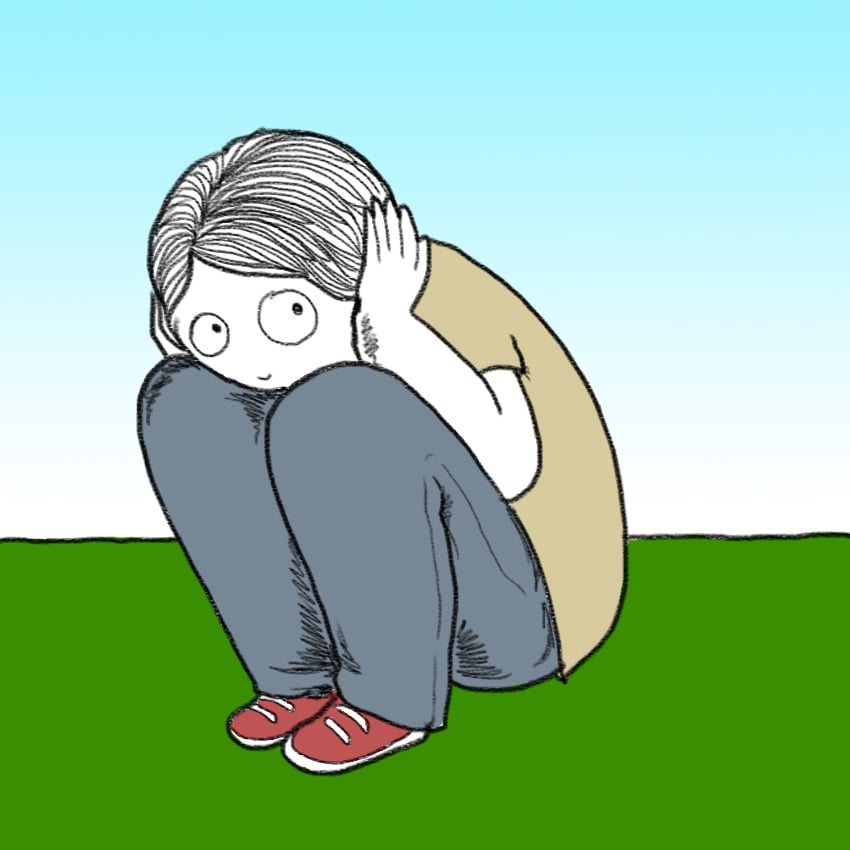
If a dog attacks you, the CDC recommends that you "curl into a ball with your head tucked and your hands over your ears and neck."
This will protect you from injury and also show the dog that you are not going to try to fight back.
When To Seek Medical Help
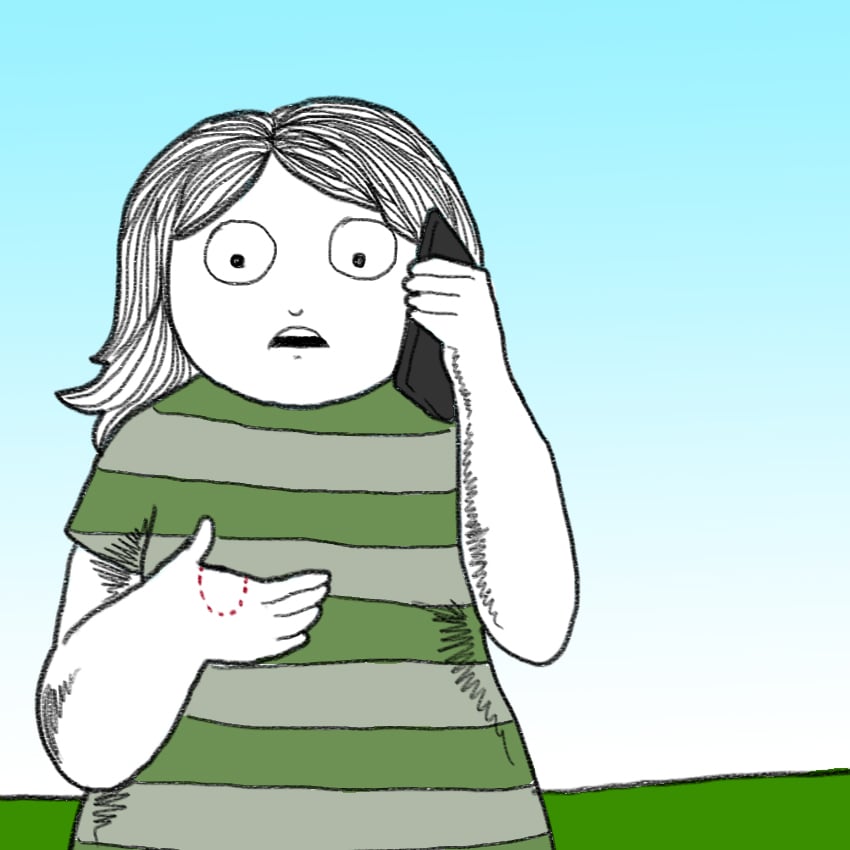
Some dog bites are serious, while others may just be minor cuts.
For minor wounds, wash the area with soap and water, apply antibiotic cream, and cover with a clean bandage.
Seek immediate medical attention if your wound is very serious, is bleeding uncontrollably, or looks infected. You should also seek medical care if it's been more than five years since your last tetanus shot, or if you're unsure whether the dog has a current rabies vaccination.
If you think everyone should know more about preventing dog bites, please SHARE this article with your friends!