
During the few years that the United States entered the war, nearly 350,000 women served in the U.S. Armed Forces, stationed both at home and overseas.
Many of them became Service Pilots and helped assemble bombers, like Winifred Dudley, who matured quickly thanks to military life.
Between 1940 and 1945, around 37 percent of the American workforce was composed of women, with many of them filling in the traditionally male positions in the industrial labor force.
From 1942 to 1943, renowned photographer Esther Bubley went to the residential complex at Arlington Farms, VA, to take pictures of the women who lived there.
These women worked for the U.S. Naval Reserve, and were part of the military's Volunteer Emergency Services.
Nicknamed the "28 Acres of Girls" by magazines and papers of the day, they attracted the attention of some very important people, in the most interesting way…
Scroll on to take a look at these incredible vintage photographs of wartime women, and let us know your thoughts in the comments below!
[H/T: Mashable]
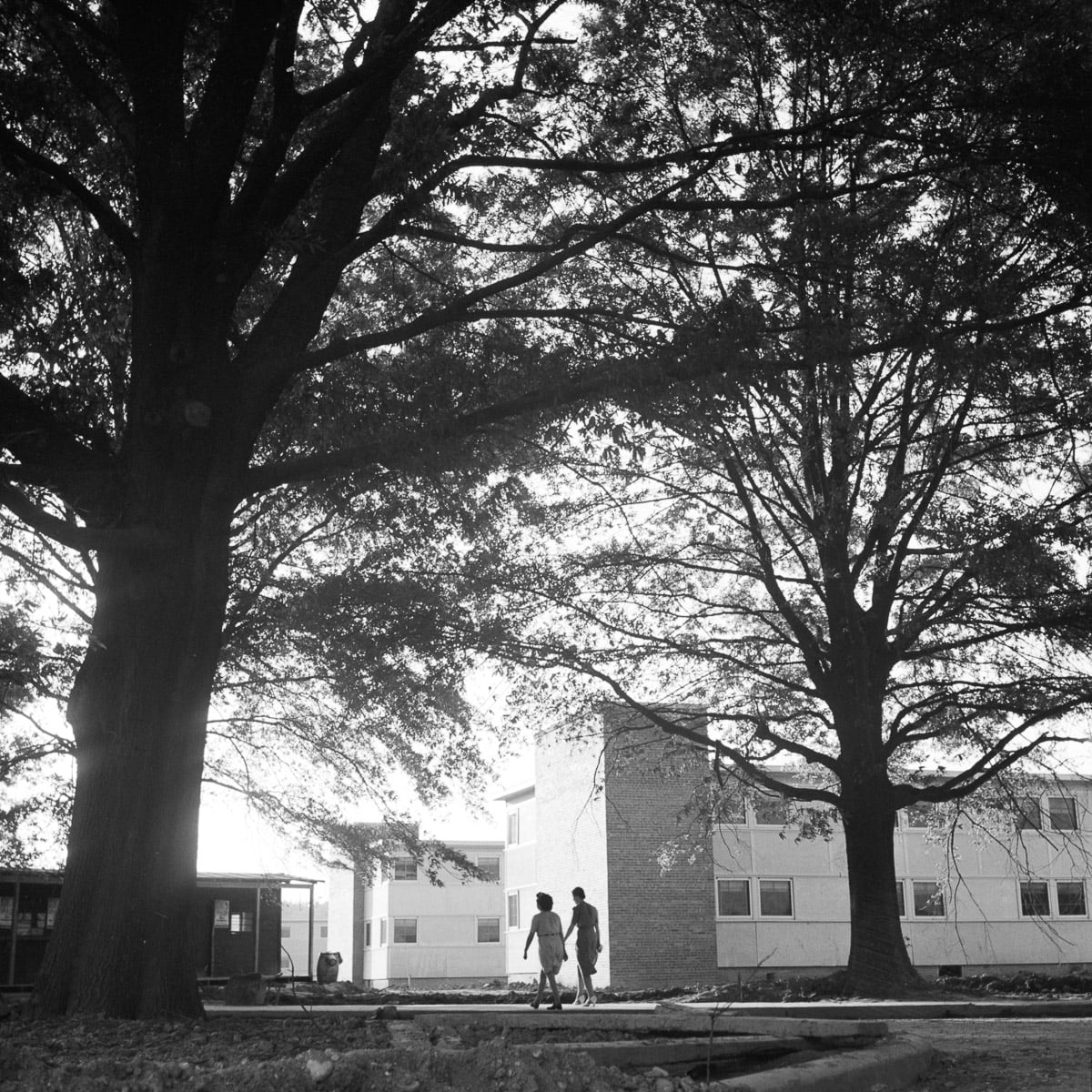
Arlington Farms was a temporary residence complex built in Arlington County, VA, for female civil servants and wartime service members.
Built in 1942 to 1943, Arlington Farms was situated on the historic 1,100-acre Custis-Lee family estate, right outside Washington, D.C.
The grounds overlook the Potomac River, and once housed the mansion that Confederate General Robert E. Lee called home.
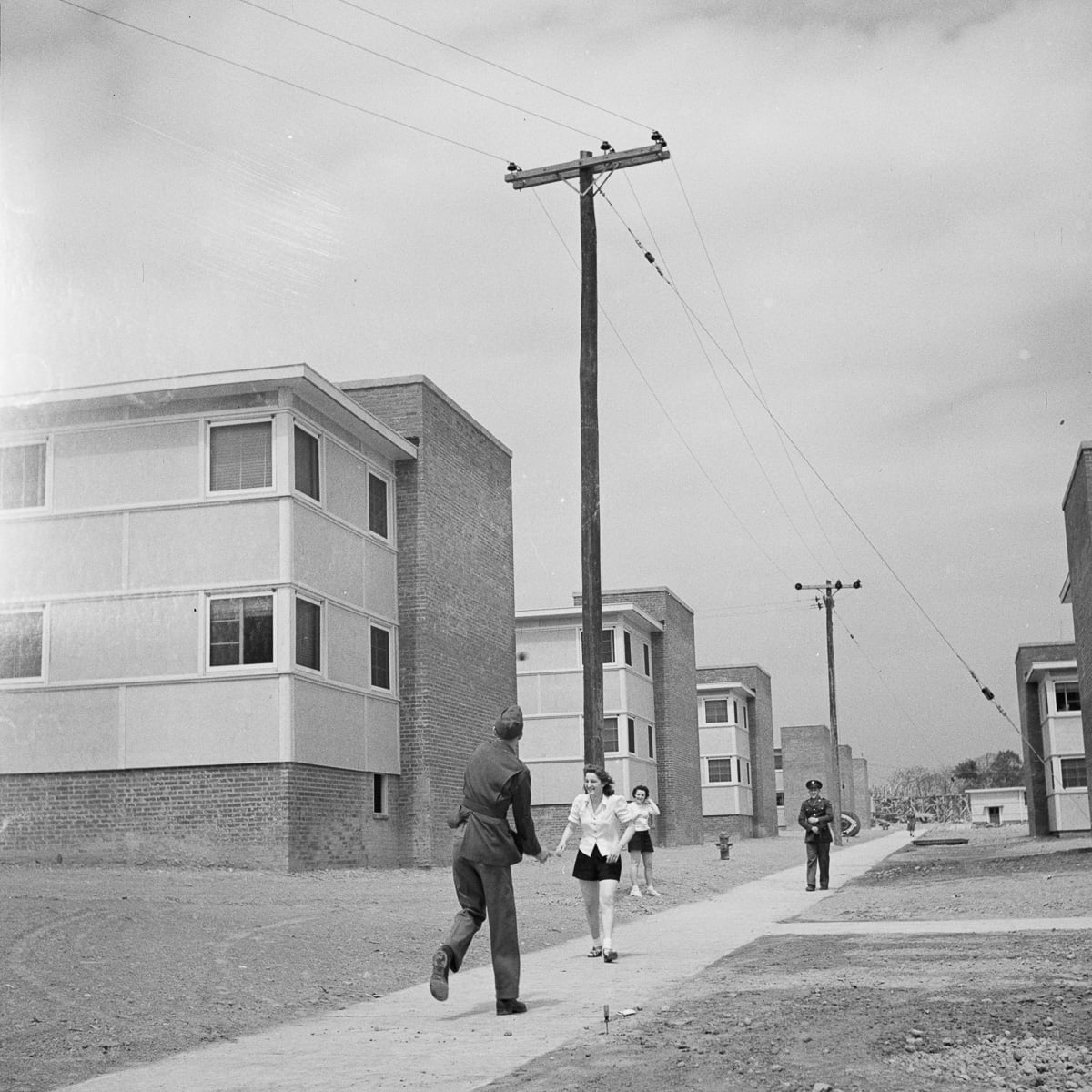
The complex had 10 dorms, each named after a U.S. state.
In total, six of the dorms were built for civilians and government employees, and the remaining four for military servicewomen, most of who were Naval Reserve WAVES (Women Accepted for Volunteer Emergency Services).
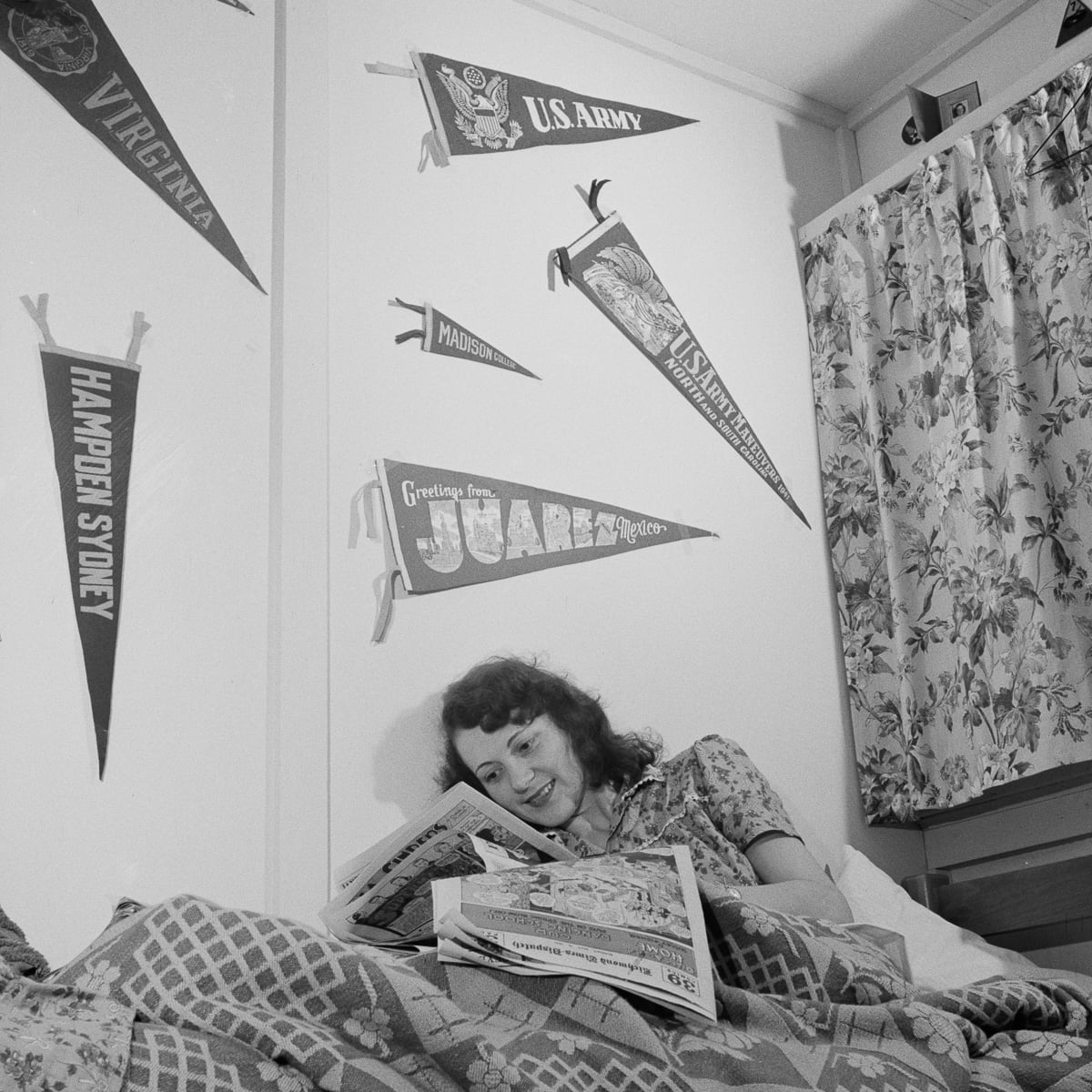
Back then, single 8’x10’ rooms rented for $24.50 a month, and doubles for $16.50.
Recruited by the U.S. Civil Service Commission or by the Naval Reserve, the women worked primarily in government jobs in Washington, D.C., in places such as the Pentagon, the Navy Annex, or Arlington Hall, headquarters of the U.S. Army’s Signal Intelligence Service.
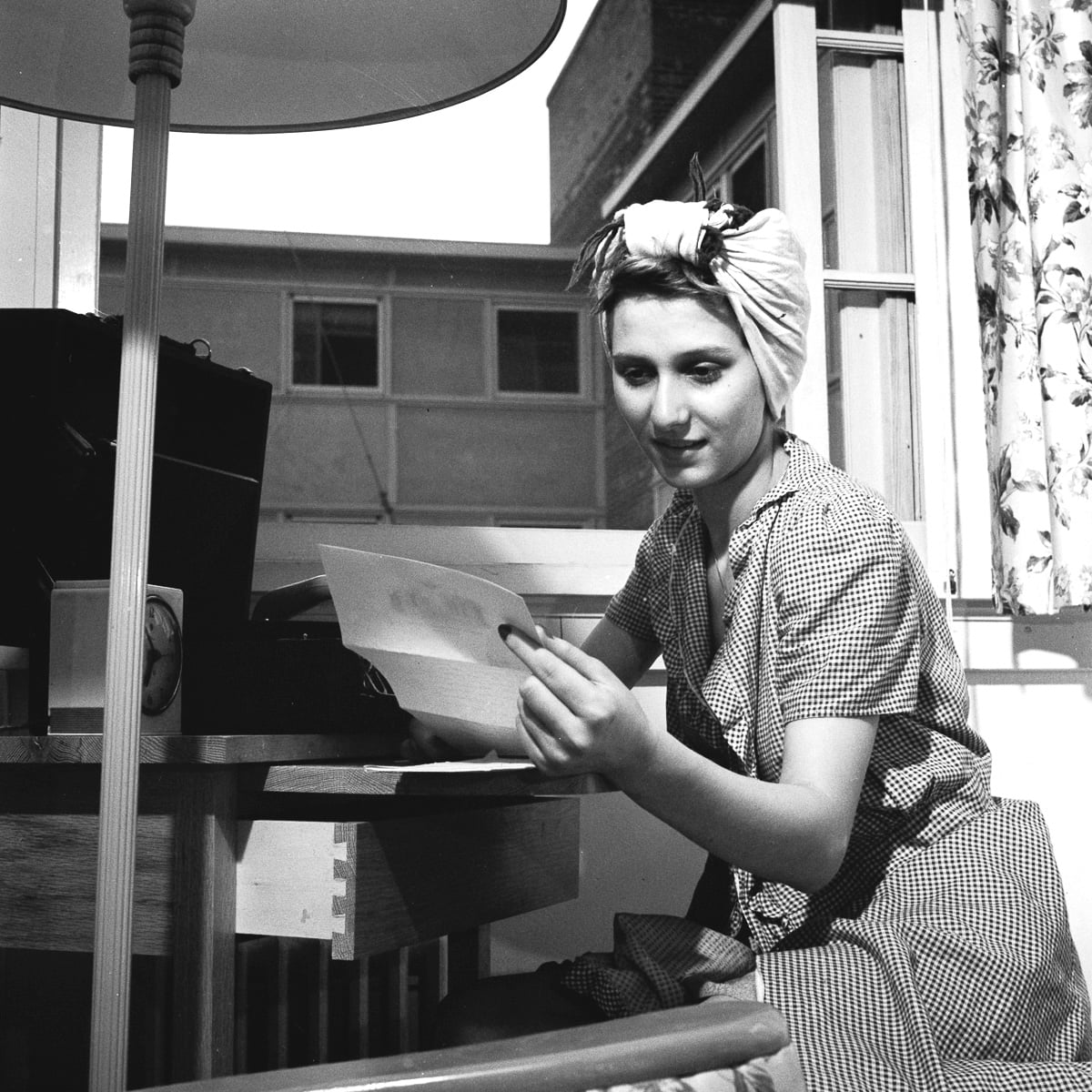
They came to Arlington Farms from all over the country.
The U.S. government had begun planning to enter World War II long before the attack on Pearl Harbor in 1941.
As part of the effort, many new government workers flooded into Washington, D.C., in a few short years.
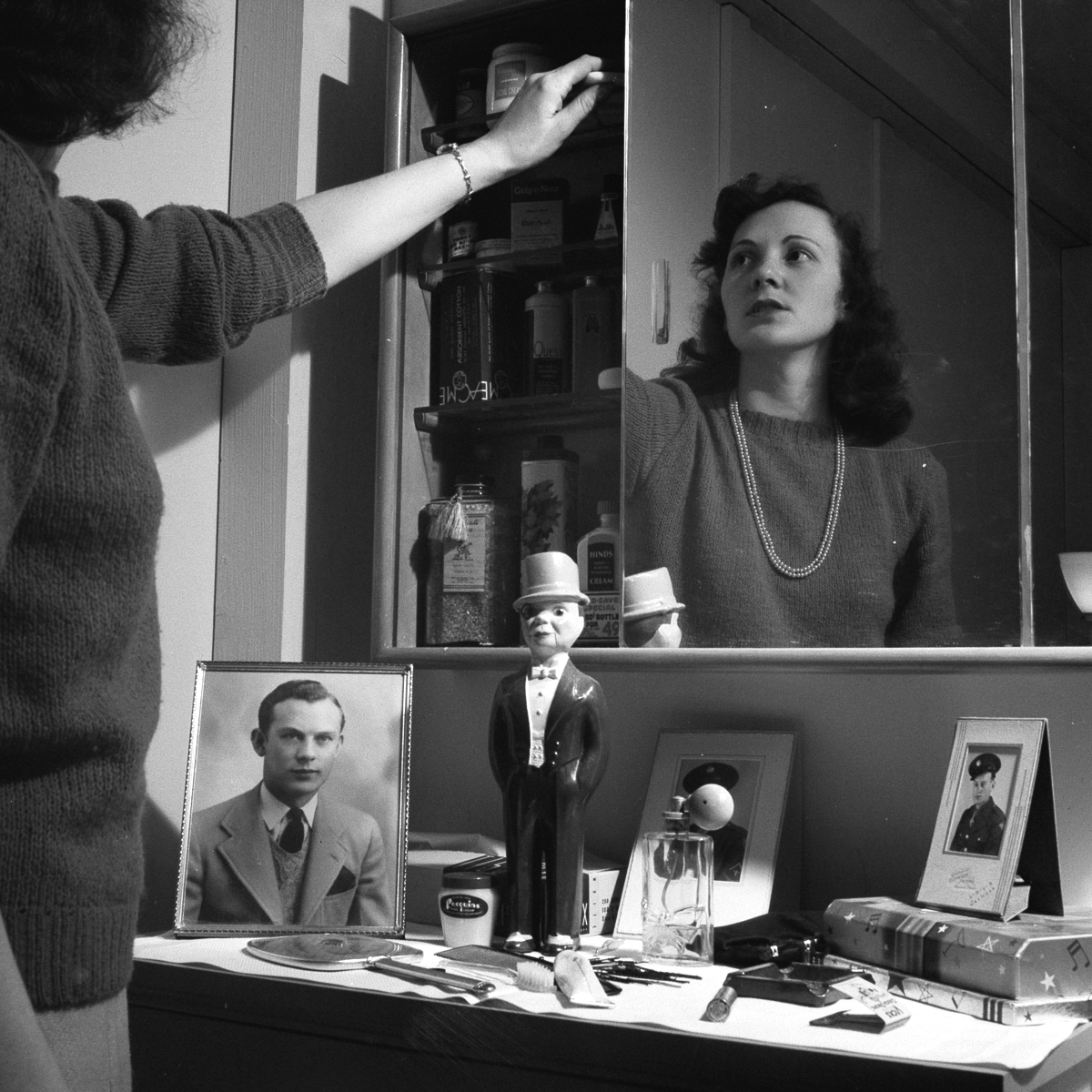
Spanning 28 acres and 7,000 units of housing, Arlington Farms had rooms that were small, but comfortable enough.
The dorm rooms were reportedly “gray and extremely temporary in appearance,” and had simple furniture and a weekly maid service.
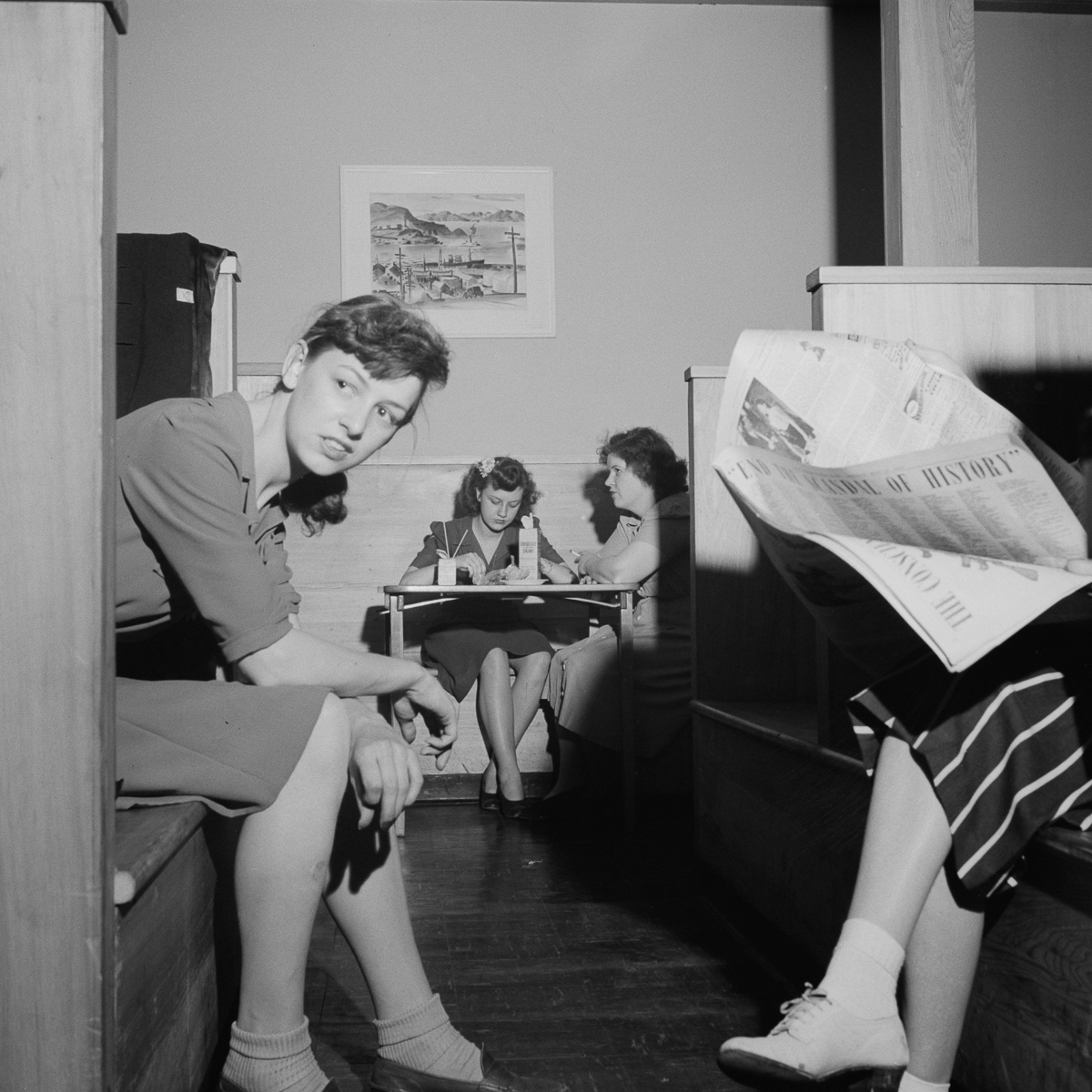
There was plenty of space for the young women to participate in recreational activities outside of work.
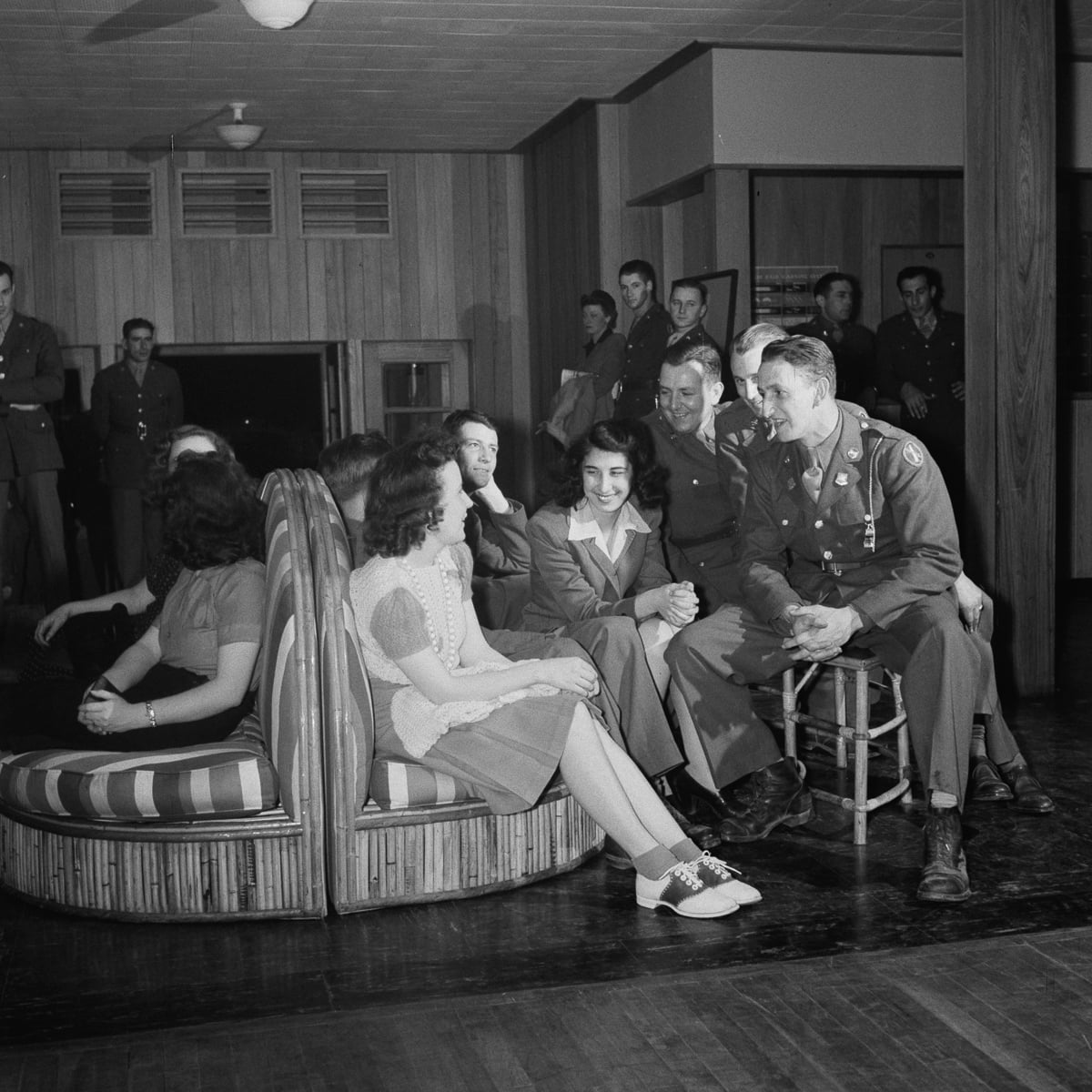
Each dormitory would open up into lobbies and common areas that had game rooms and lounges.
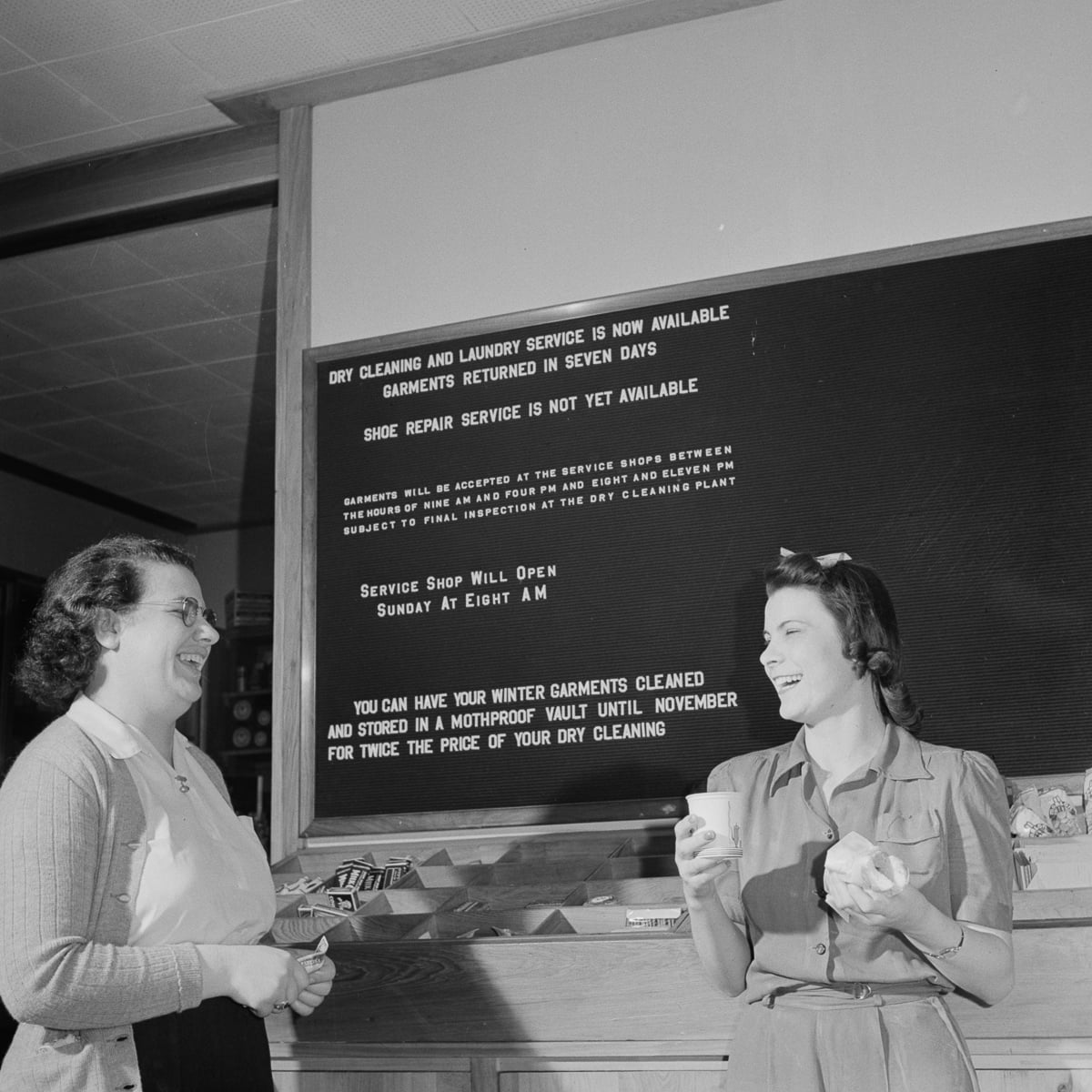
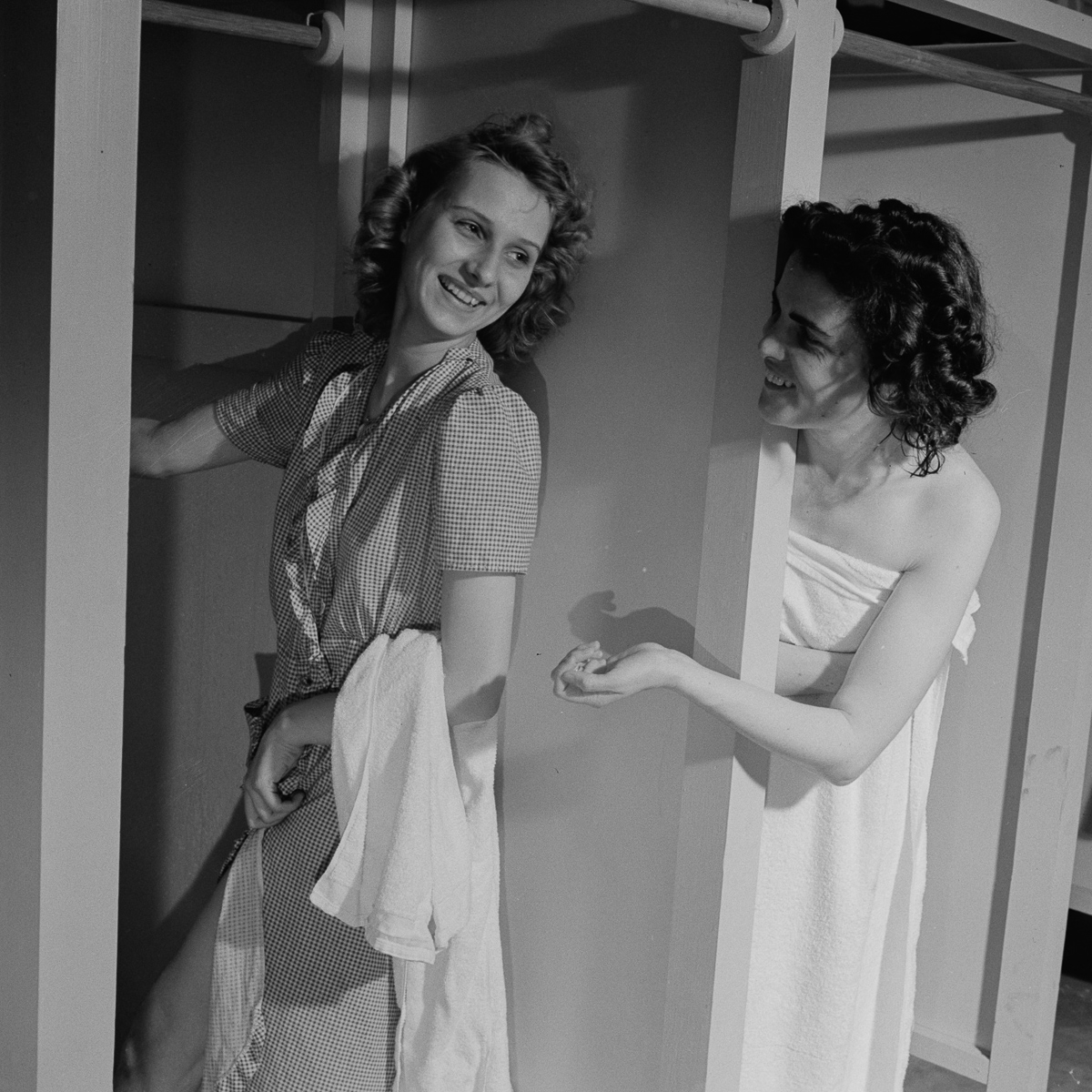
There were also service shops, which sold food, drinks, and even toiletries, cosmetics, and other sundries.
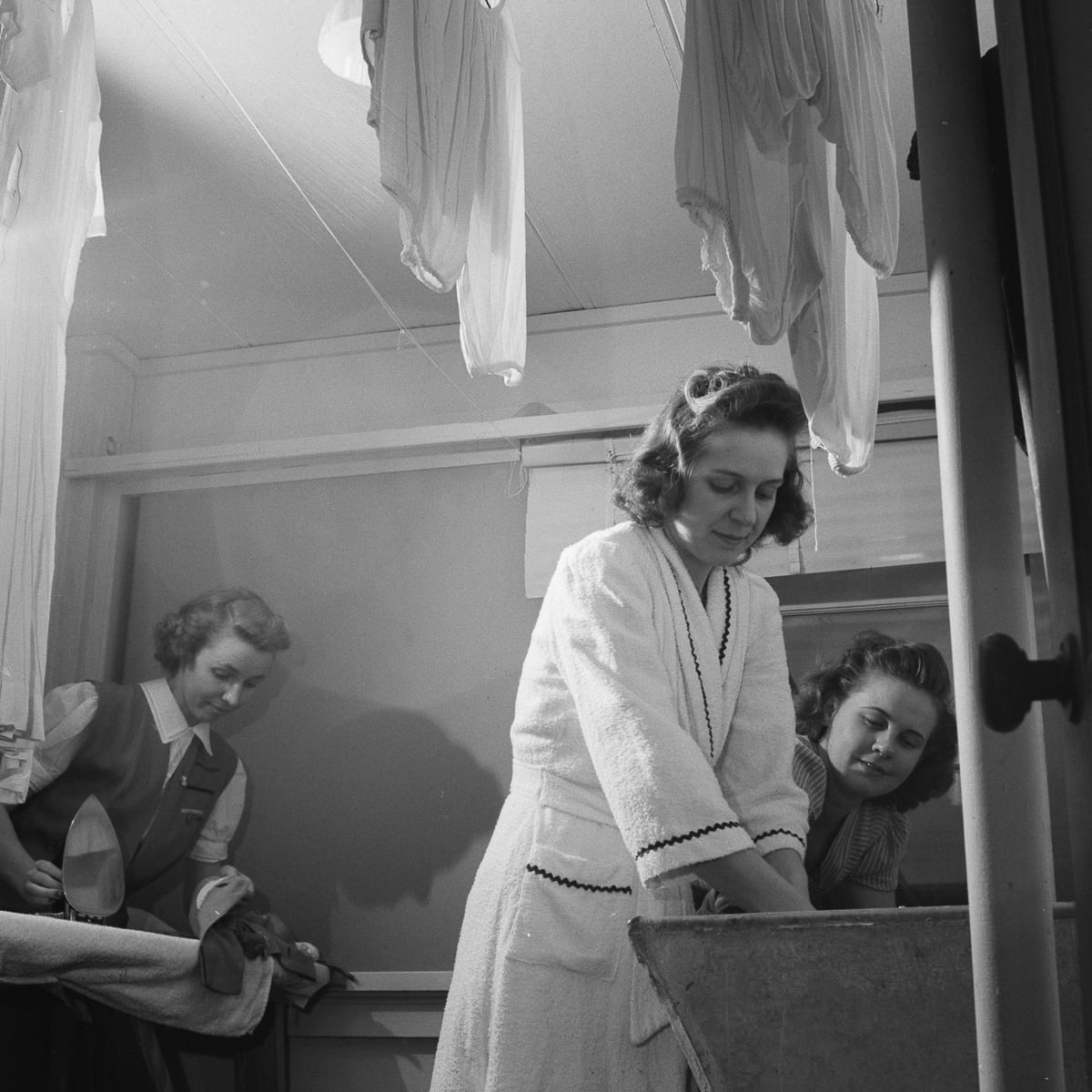
Laundry rooms and kitchenettes were located on every floor.
Each room was furnished with a simple bed, a dresser, a mirror, a floor lamp, a wastebasket, an ashtray, two pillows, and a chaise longue.
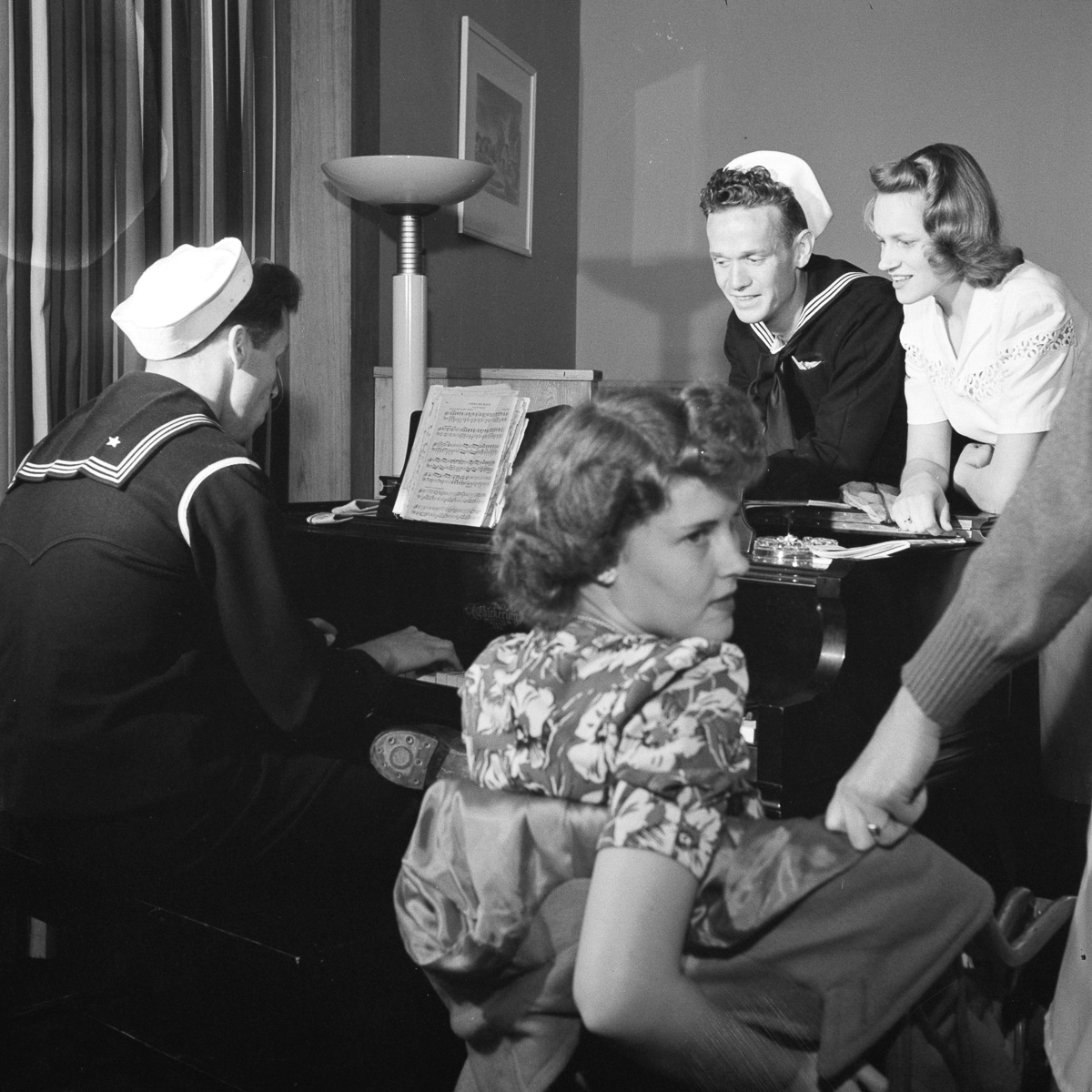
Walls, rooms, and common areas were decorated by artwork made by artists from the Works Projects Administration, who employed musicians, writers, artisans, and actors in arts and literacy projects.
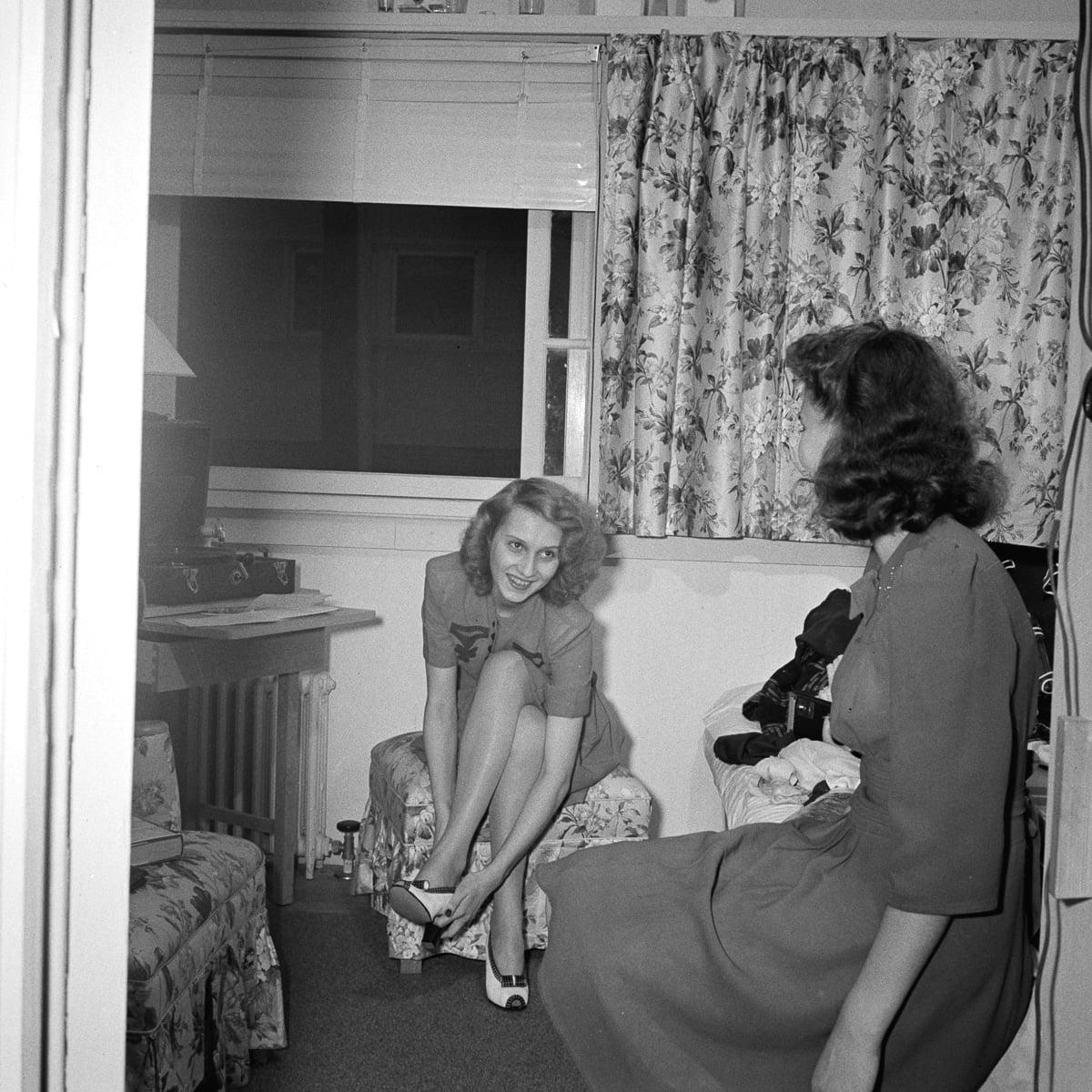
It was “remarkable how much thoughtful architectural designing and planning, judicious use of color, and the introduction of cheerful fabrics in the interior furnishings have done to lighten the barracks-like effect of these dormitories,” said Jane Watson, art editor at The Washington Post at the time.
Though quite austere and somber in appearance, the Arlington Farms complex became quite well-known for one particular reason.
Nicknamed “Girl Town,” the dorms frequently attracted groups of soldiers and sailors stationed at nearby bases.
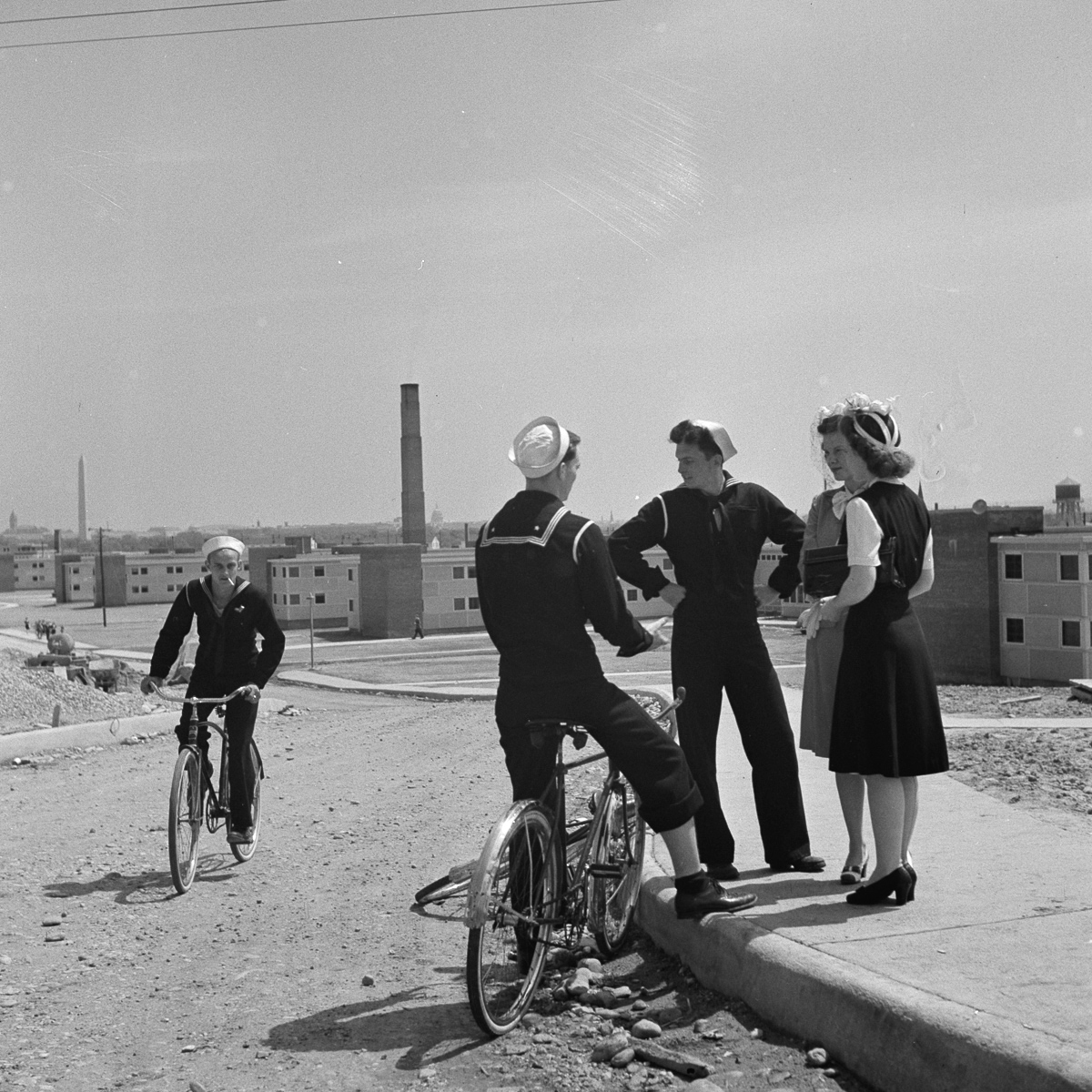
They would come to Arlington Farms most often to look for dates.
A disdainful article from Reader’s Digest dating to November 1944 describes the scene as filled with residents who were neither driven nor valuable as professionals — but, rather, were small-town girls “in a daze of excitement.”
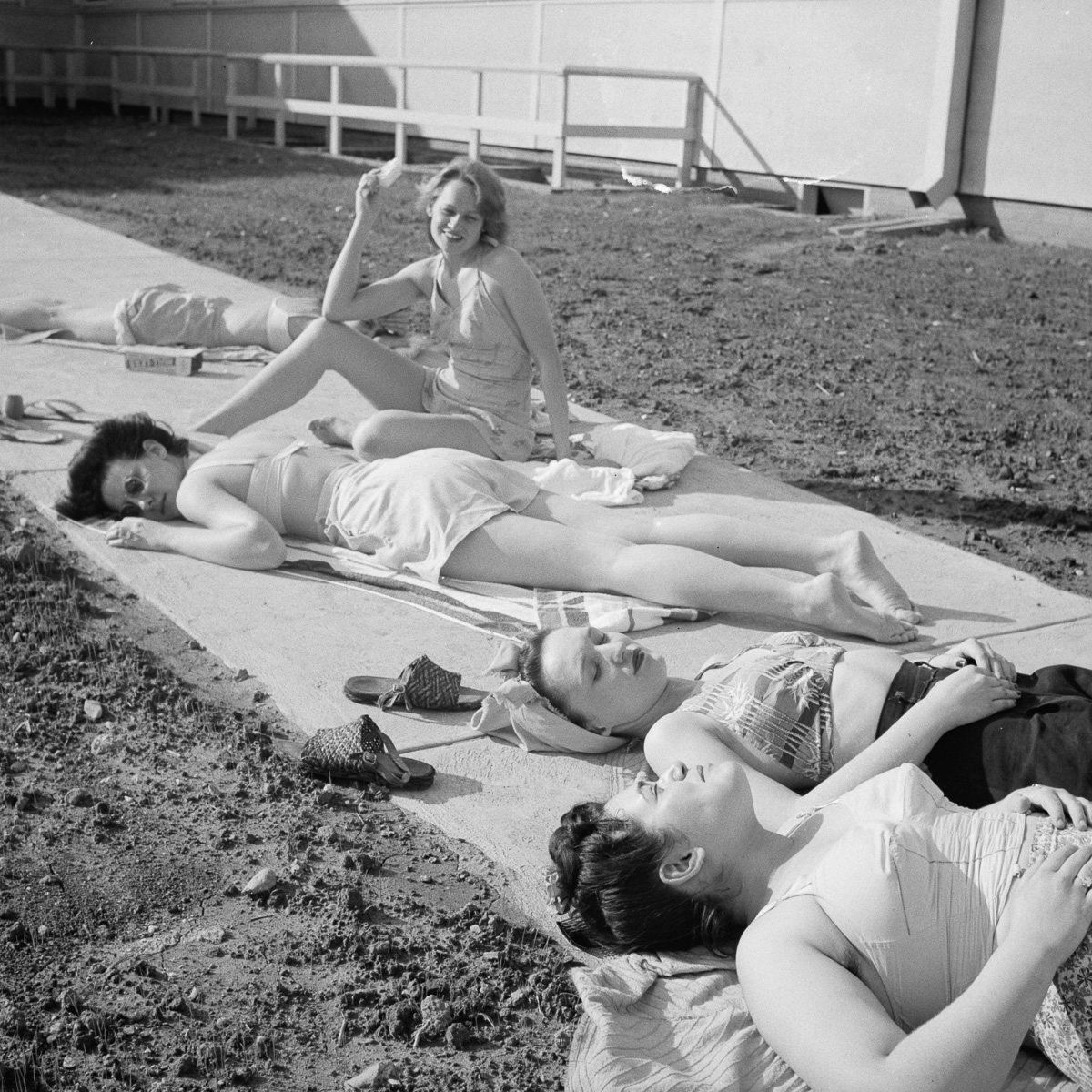
“So popular are its glamorous buildings, full of Venetian blinds and the chintz dear to so many female hearts, that 90 percent of new Government girls want to move in,” the article continued scathingly.
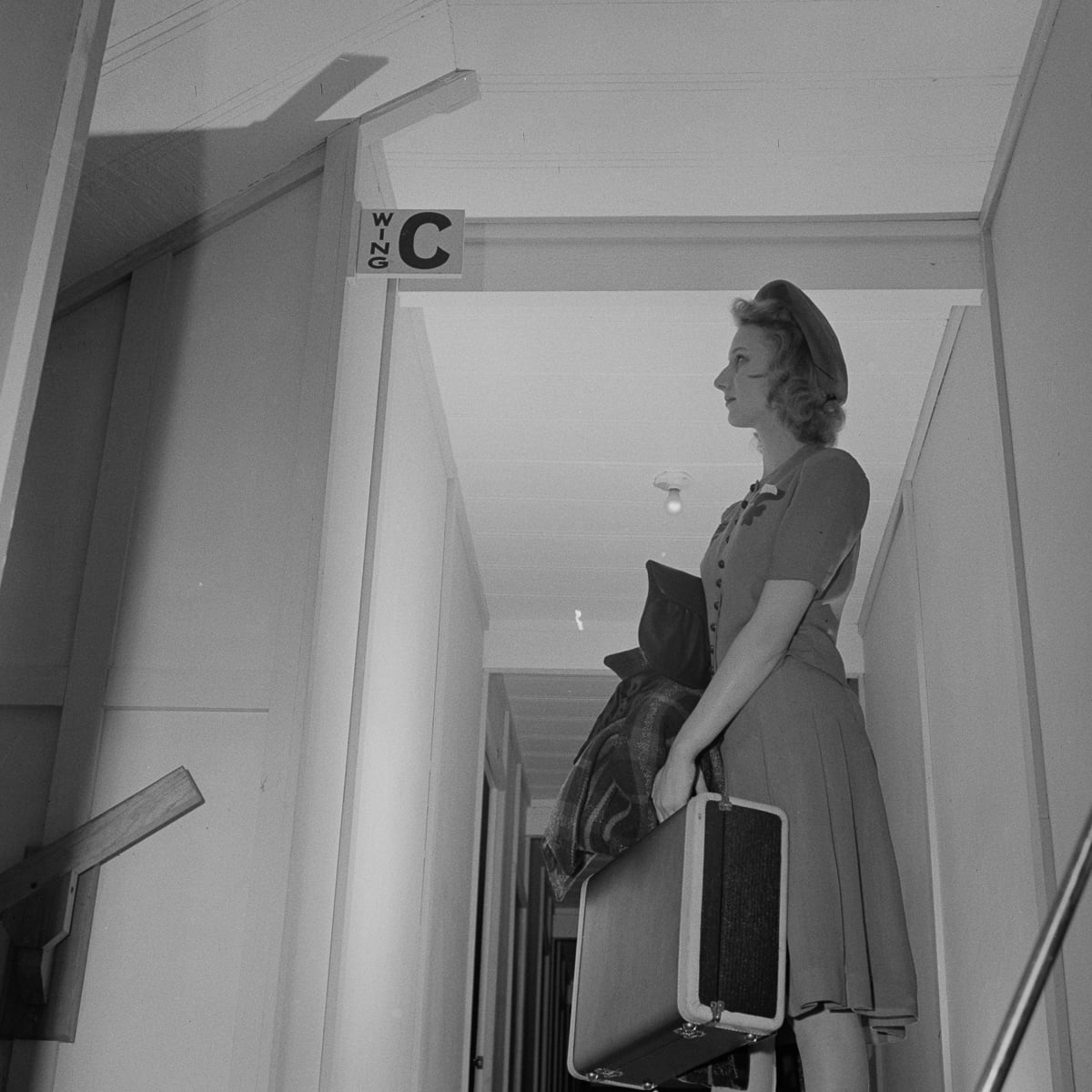
However, an earlier article from a January 1942 copy of Good Housekeeping describes the great initiative of these young women, who had traveled a terribly long distance to help their country.
“There’s a new army on the Potomac — the bright-eyed, fresh-faced young Americans who have poured into Washington from remote farms, sleepy little towns, and the confusion of cities, to work for the government in a time of national emergency,” it read.
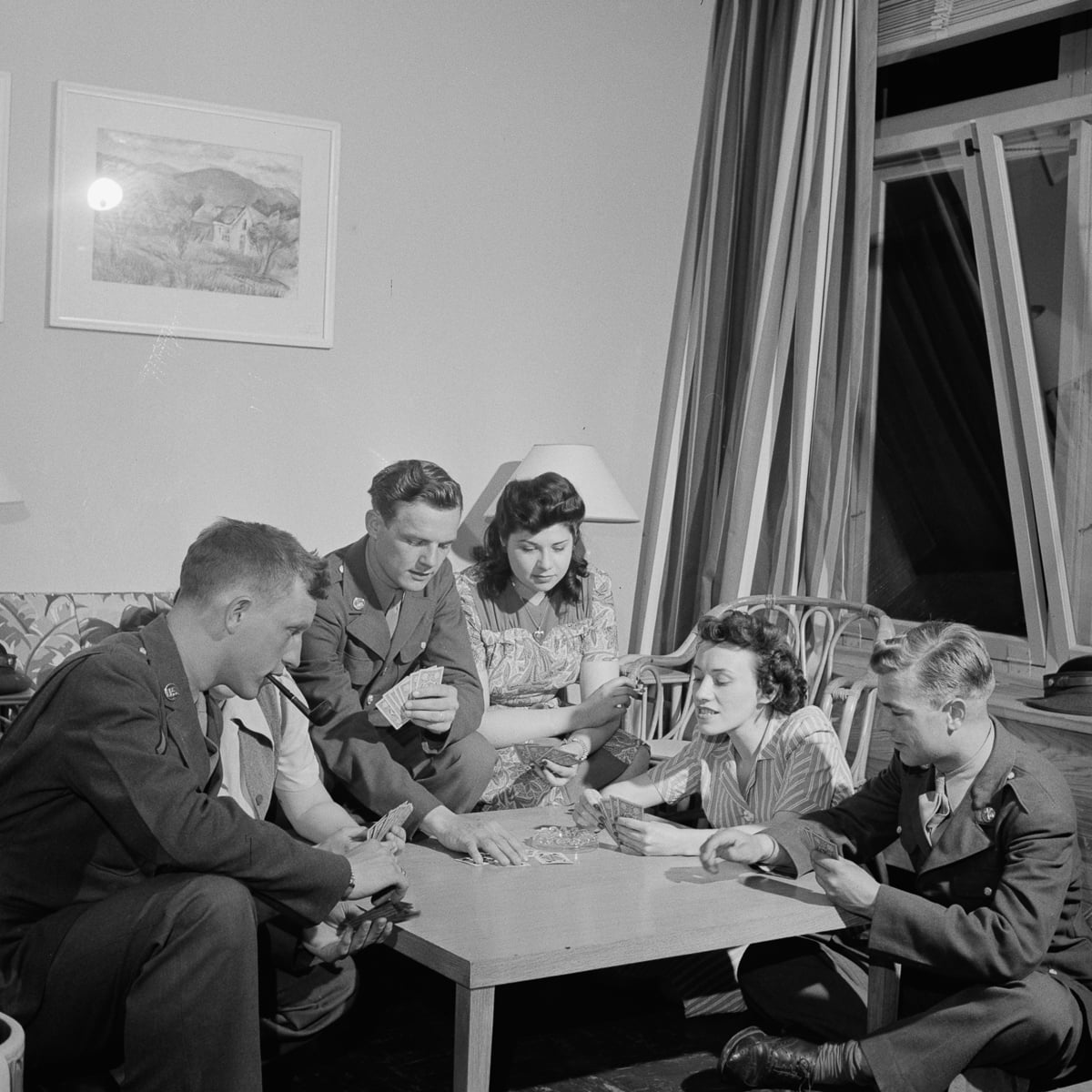
Every two weeks, residents host open-house dances in their halls, inviting their friends and servicemen from the bases.
They would mingle, dance, and spend time getting to know each other in the private card rooms.
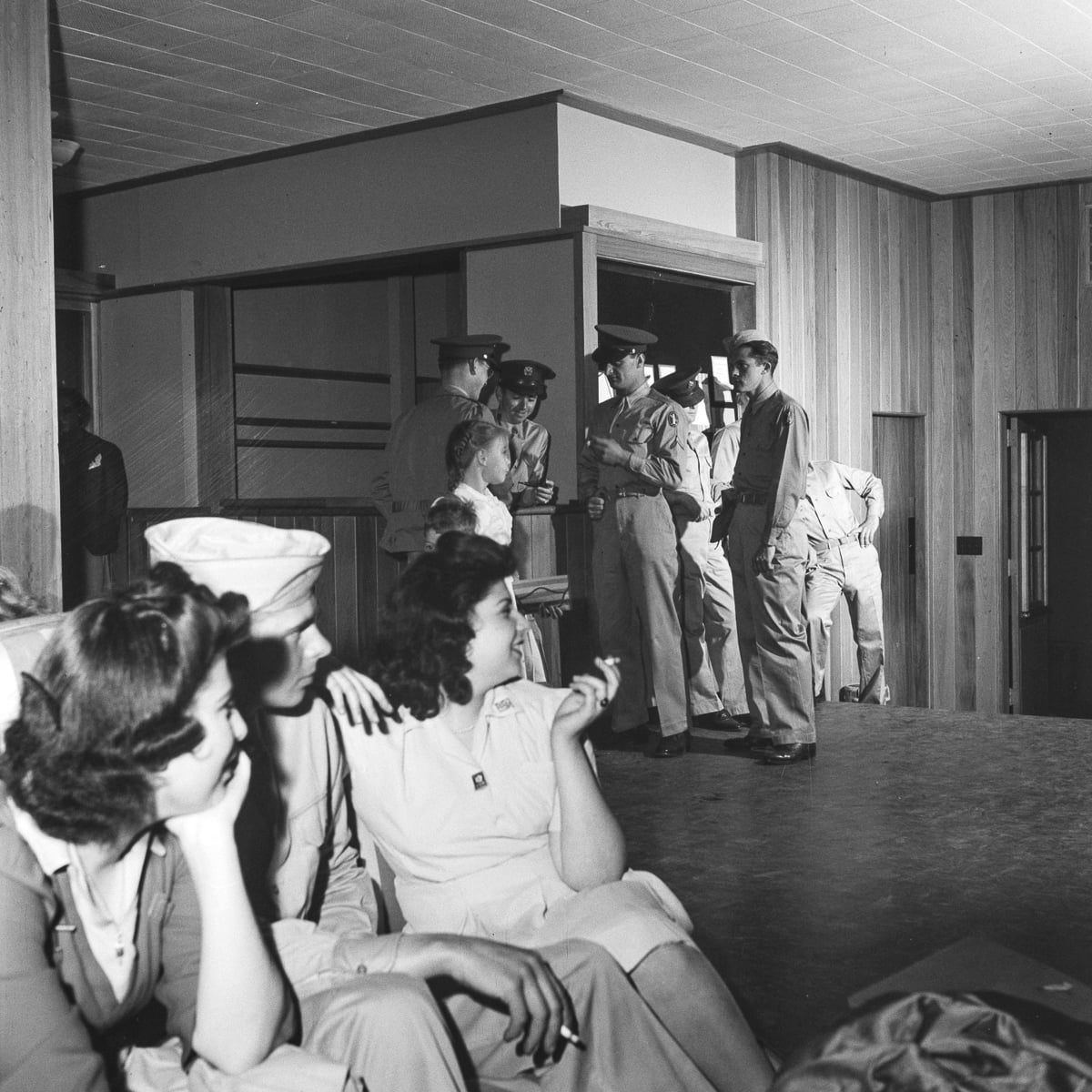
The “28 Acres of Girls,” as they were named by Reader’s Digest, became insanely popular, even with soldiers stationed overseas.
They were so well known, that when a group of four American prisoners of war escaped home from a Japanese prison camp in 1945, they made Arlington Farms one of their first stops when they headed to Washington, D.C.
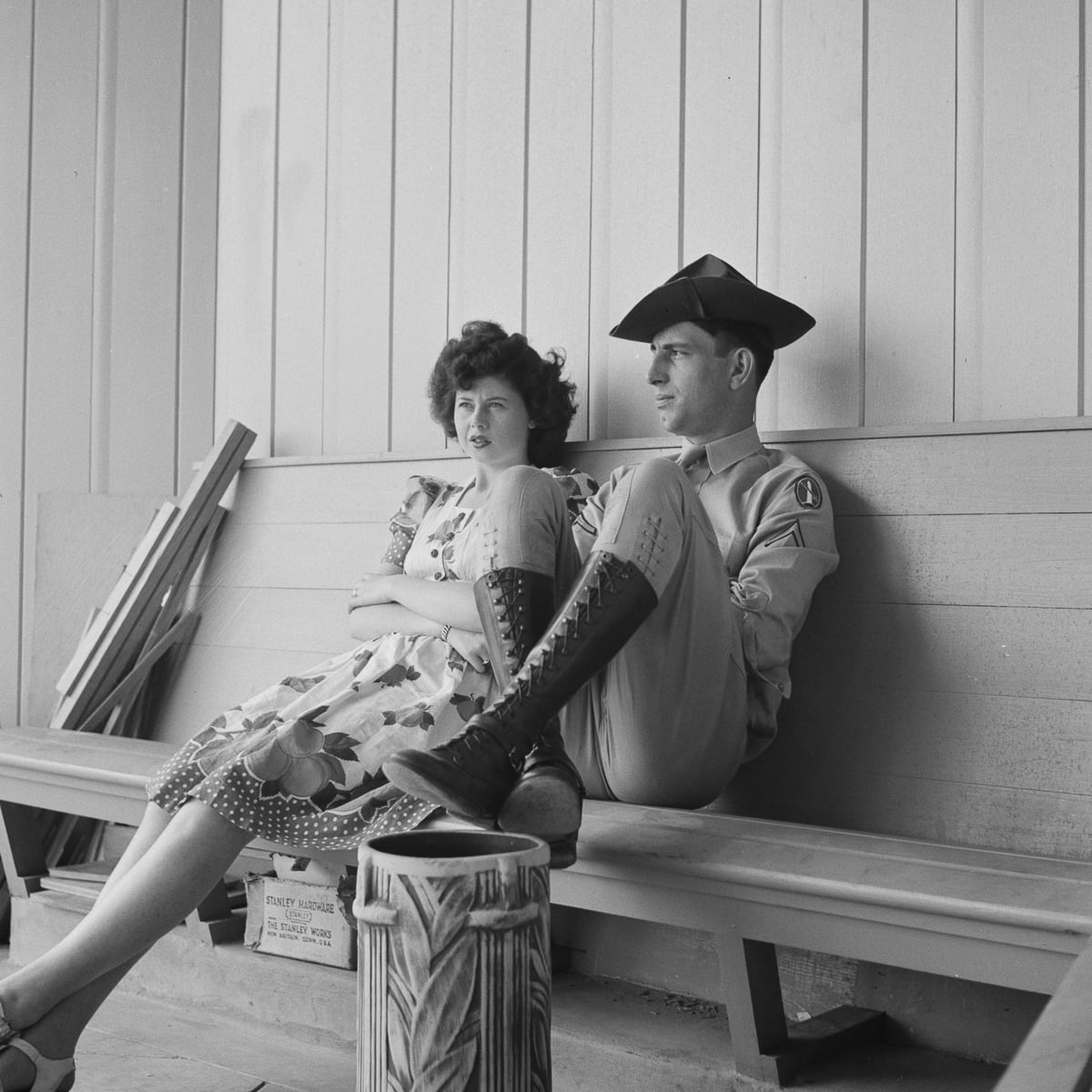
Near the end of the war, Arlington Farms slowly cleared out. The temporary housing units were transformed into full-time government buildings.
In the 1960s, however, the complex was torn down. The grounds are now a part of Arlington National Cemetery.
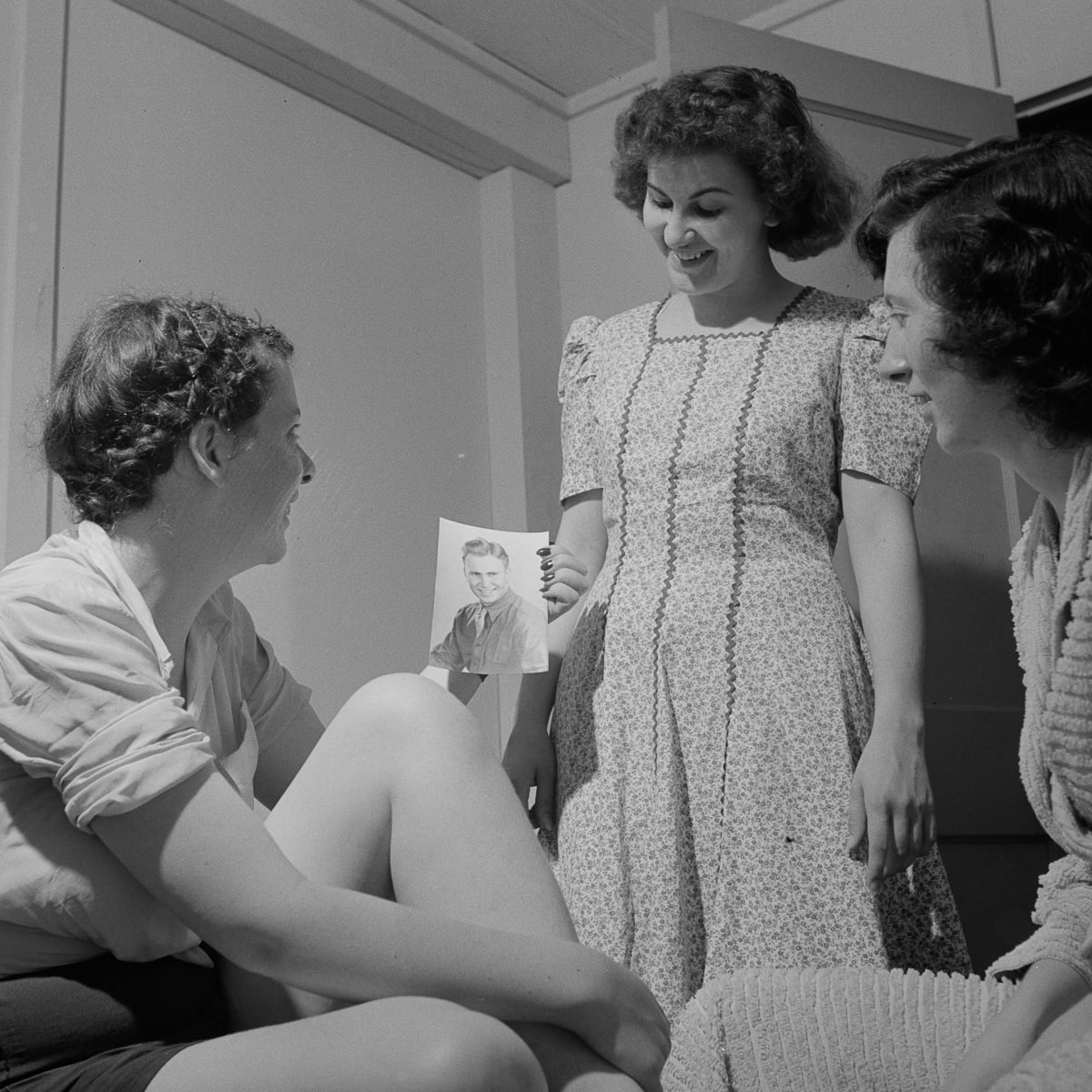
Despite disappearing from the waterfront landscape for decades, Arlington Farms will always remain written on a most intriguing page of American history.
Please SHARE if you love intimate looks into the lives of women from a time long past!