
There is no denying that we live in an amazing age.
Everyone has computers in their pockets, internet in their cars, and microwaves that tell us how long to cook the popcorn instead of the other way around.
With all of this smart technology and these opportunities for instantaneous communication, it's easy to fool ourselves into thinking that we're the most clever humans to ever walk the face of the Earth. But our ancestors would probably have something to say about that.
Take our games, for instance — not the games you're addicted to playing on your phone, but actual board or parlor games like the irreverent Cards Against Humanity. This game in particular may seem ridiculously modern. But did you know that there was a funny game made in the 1880s that's almost exactly like it? It's totally true!
Scroll through below for a look at which modern games are really just remakes that people used to play long ago!
Cards Against Humanity / Peter Coddle's Trip To New York
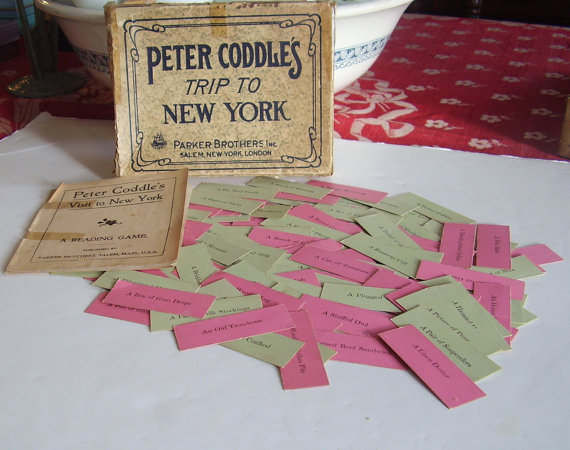
In case you've never played, Cards Against Humanity requires players to draw cards with random phrases that are then used to fill in the blanks of other random phrases.
Way back in the 1880s, people were playing a very similar game called Peter Coddle's Trip to New York. Players would read a section of Coddle's trip from the included story booklet, and use phrases on the cards they'd drawn to figure out details of the story that had been omitted.
"It’s basically an 1800s Cards Against Humanity," Max Temkin, one of the co-creators of Cards Against Humanity, told Atlas Obscura.
"All the players have slips of paper, and they're exactly like ours," he says. "The phrases are very 1800s, and there's a lot of double entendres."
LIFE / The Checkered Game Of Life
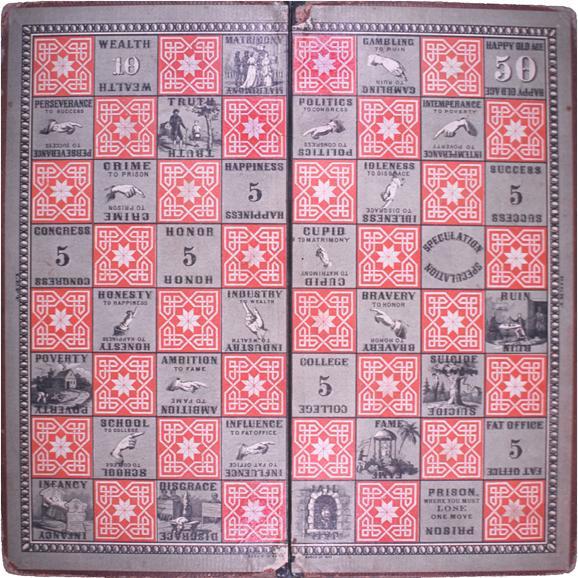
Most of us played LIFE as a kid, with the big spinning wheel, little plastic pegs in pink and blue representing people, and the dreaded "setbacks" that we probably didn't even understand back then.
Released way back in 1860, LIFE is one of the best-selling board games of all time and the single oldest game in the Milton Bradley library. But most people aren't aware that the original game, called The Checkered Game of Life, took a much more pessimistic view of the life journey.
Some of the board's original squares included "Disgrace," "Poverty," and "Ruin," as well as "Crime," "Prison," and even "Suicide." Rumor has it that Bradley was going through a bit of a rough time when he made it.
Chutes And Ladders / Vaikuntapaali
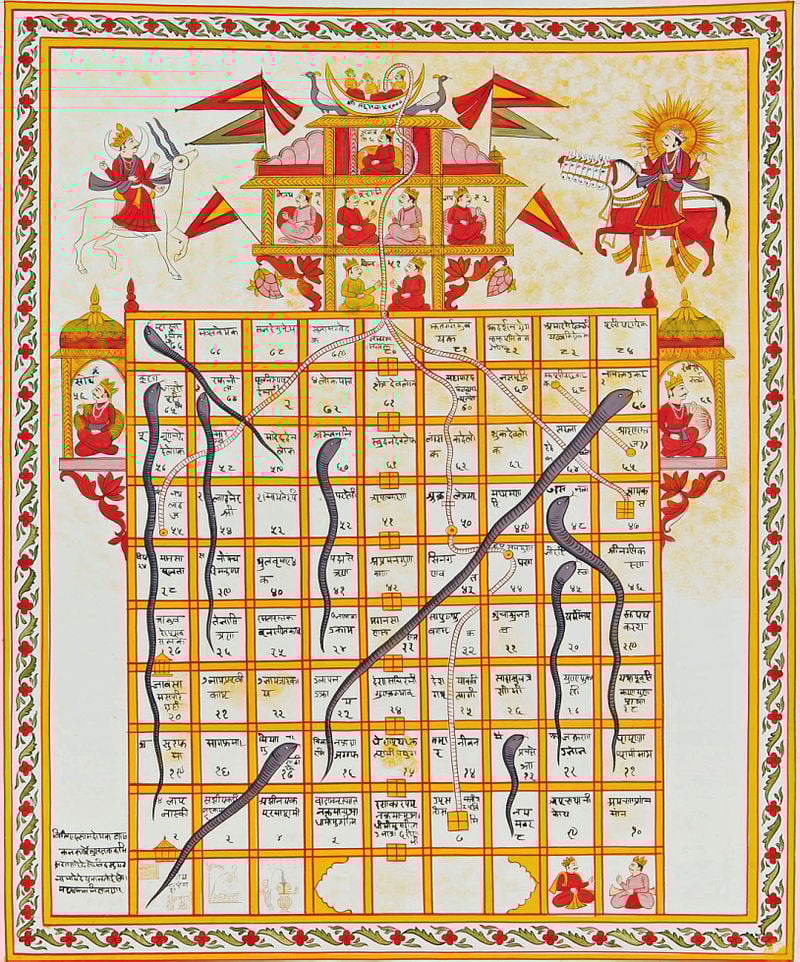
Chutes and Ladders is a simple game based on sheer luck, and often one that we play with very young children.
Few people realize that this game actually has roots in ancient India, however.
The historic version — called Vaikuntapaali or Leela — was actually a method for delivering important morality lessons, where a player's progression up the board represented a life journey made easier by virtues (ladders) and complicated by vices (snakes).
In the original game, the squares of virtue were: Faith, Reliability, Generosity, Knowledge, and Asceticism. The squares of vice or evil were: Disobedience, Vanity, Vulgarity, Theft, Lying, Drunkenness, Debt, Murder, Rage, Greed, Pride, and Lust.
Monopoly / The Landlord's Game
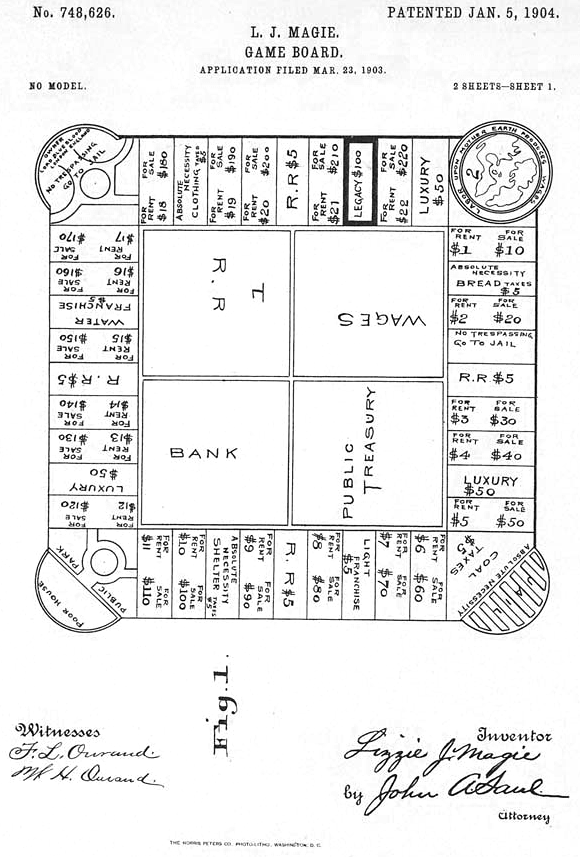
If you Google "the history of Monopoly," you'll probably read that an unemployed salesman named Charles Darrow proposed Monopoly to Parker Brothers in 1934, during the height of the Depression.
Dig a little deeper, however, and you'll find that Monopoly is actually a rip-off of a board game called The Landlord's Game, which was patented in 1904 by a Quaker named Elizabeth "Lizzie" Magie.
The game was created to be a "practical demonstration of the present system of land grabbing" and was meant to demonstrate how renting enriches property owners and impoverishes tenants.
Mad Libs / Revelations Of My Friends
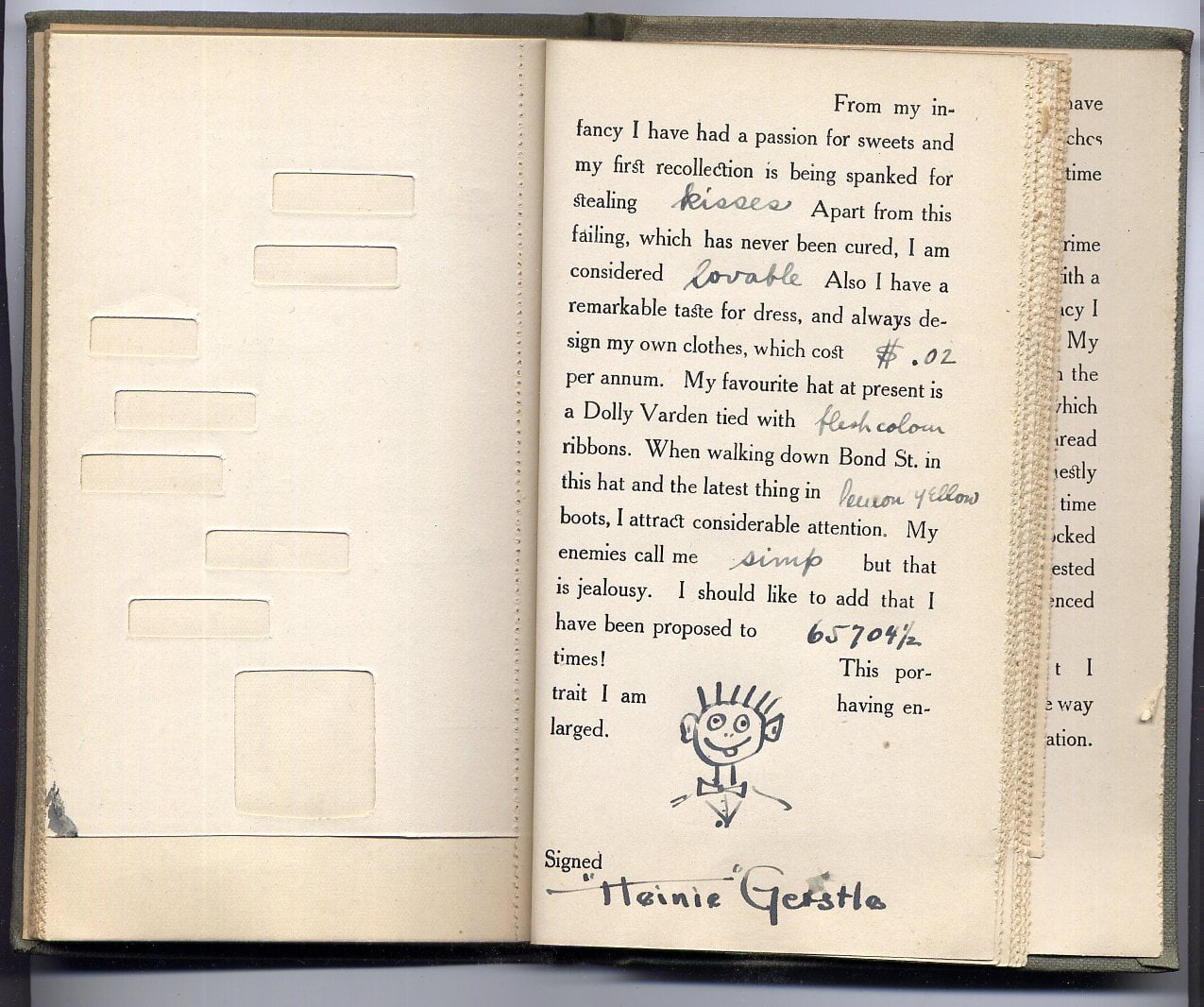
Mad Libs is a popular template word game where one player prompts others for a list of words that he or she then substitutes for blanks in a story. When they're all filled in, the player reads the (often comical or nonsensical) story aloud.
Mad Libs was first published in 1958, but it was actually the direct descendent of a popular parlor game played by Edwardians in early-20th-century London.
As literary detective Paul Collins explains, the original game was called Revelations of My Friends. Released in 1912, it featured a cleverly designed book of paired perforated pages that would be passed around at a party. The top page contained cut-outs directing players to write in place names, terms of abuse, numbers, etc. Then the page below revealed their life story with nonsense words filled in at appropriately embarrassing spots.
Tic Tac Toe / Nine Men's Morris
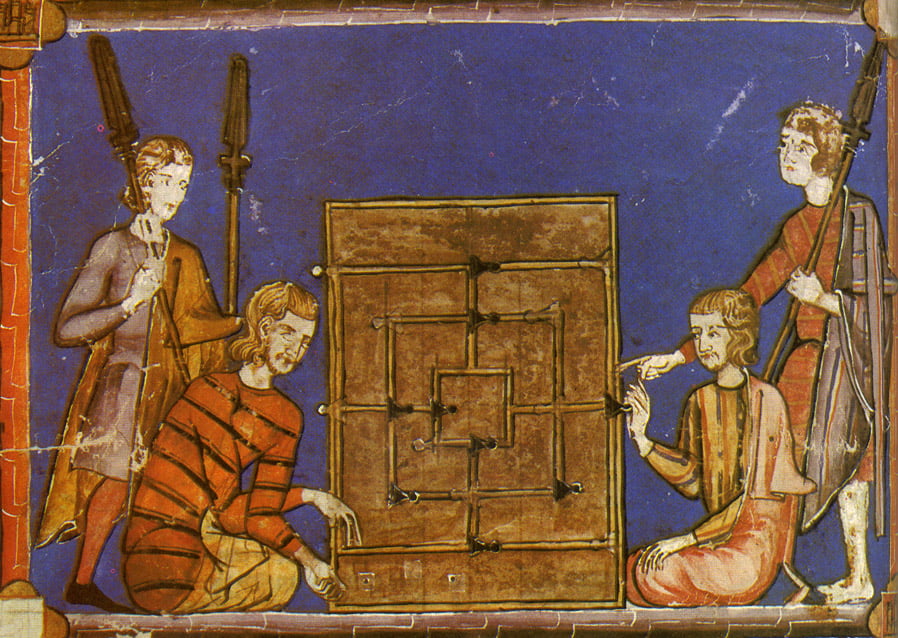
Tic Tac Toe is a game every parent teaches their hungry kid to play on restaurant napkins when the food is taking too long.
But this simple game is actually the offspring of something called Nine Men’s Morris that can be traced all the way back to 1440 B.C.
Wikipedia explains that in Nine Men's Morris, "counters are placed on a grid with the aim of creating lines of three. Once all the pieces are down, they can be moved one space per move. Whenever a player forms a row of three, he can remove one of his opponent’s pieces from the board. The first player down to two pieces loses."
Just like with Tic Tac Toe, the game was incredibly popular because people could make their own boards and pieces out of just about anything.
Parcheesi / Chopat
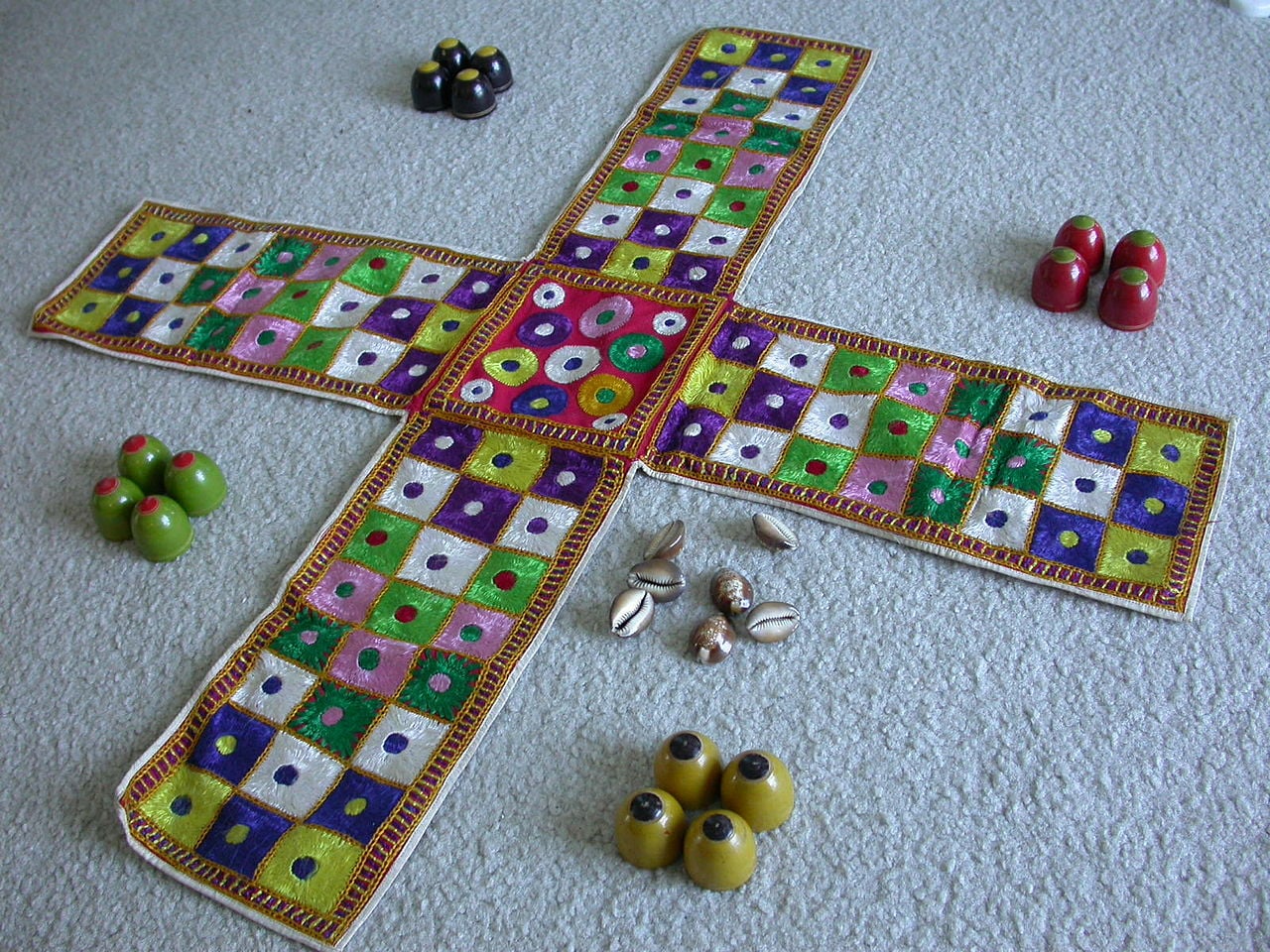
The goal of Parcheesi is to move all of one's pawns "home" to the center space on the board. Each player's pieces start on the darkened space to the left of the player's "nest," or starting area, and continue counter-clockwise around the board until they reach the home path directly in front of the player.
This game is based directly on the a cross and circle board game called Pachisi or Chopat, created in India in as early as 500 A.D.
Pachisi is often called the Royal Game of India because royalty used servants of the royal household adorned in colored costumes as game pieces on large outdoor boards.
Chess / Chaturanga
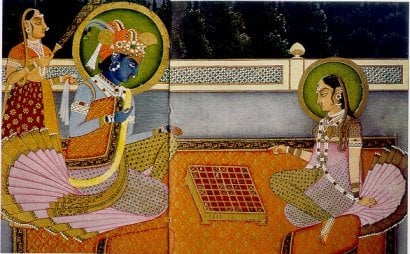
Every single one of us has seen a chess board and pieces, and we've probably even played a game or two. This timeless game is in some ways a fictional version of ancient battlefields, with foot soldiers or pawns risking it all to protect the royalty behind the front lines.
Although the kings, queens, and knights of modern chess seem decidedly British, the game actually has its roots (like so many games) in ancient India.
Called Chaturanga, the game was developed in the Gupta Empire around the 6th century A.D. In the 7th century, it was adopted as shatranj in Sassanid Persia, which in turn was the form of chess brought to late-medieval Europe.
Backgammon / Game Of 12 Markings
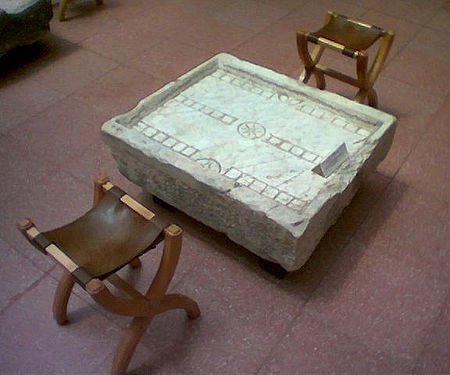
Ludus duodecim scriptorum, or XII scripta, was a board game popular during the time of the Roman Empire.
The name translates as "game of 12 markings," probably referring to the three rows of 12 markings each found on most surviving boards. The game Tabula is thought to be a descendant of this game, and both are similar to modern Backgammon.
Which one of these ancient versions of modern games surprised you the most? Tell us in the comments.
Please SHARE with friends and family who love board games!