When your back is up against the wall, you have two options: buckle under the pressure or push yourself forward. When that metaphor applies to battling a disease, the latter option is truly hard to achieve. As someone who lives with a chronic illness, it can feel like swimming upstream, but New York City teacher Pedro Soto, 56, is living proof that perseverance can make a huge difference.
In an exclusive interview with People, Soto revealed that a sore throat in 2024 would change his life forever. It was that ailment that led to Soto’s bloodwork being done, and and led his primary care physician to officially diagnose him with Type 2 diabetes. As the Mayo Clinic notes, Type 2 diabetes happens when the body cannot use insulin correctly. Sugar builds up in the blood and can damage eyes, nerves, kidneys, and the heart. Sadly, there is no cure.
Despite that, and even when doctors suggested getting on medication to improve his condition, Soto refused. Instead, he opted to make some serious lifestyle changes to avoid medication completely.
“I committed to exercising, running twice a week, and improving my diet,” he told the outlet.
The decision to run was inspired by one of his colleagues’ husbands who ran the New York City marathon. Soto applied to the TCS NYC Marathon through an application specifically for teachers in which he wrote an essay explaining his diagnosis and new life mission. It landed him a spot on the team.
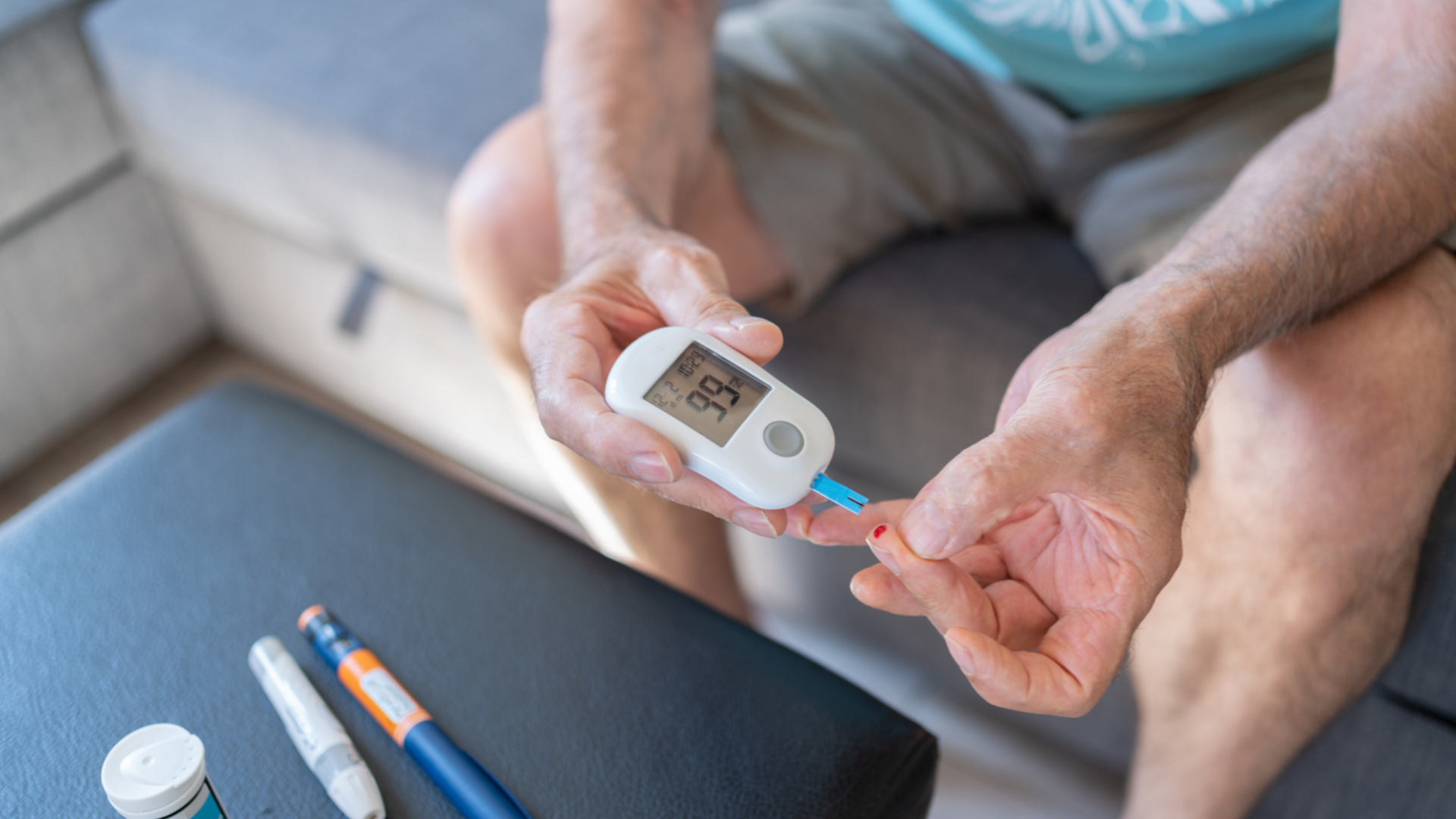
While training, he continued to monitor his blood sugar and made an uplifting discovery.
“I check my blood test every three months, and [it] made a big difference,” he claimed. “Like three months later, I was even normal. My blood sugar level was normal, near prediabetic, but normal.”
When race day arrived on November 2, 2025, it was a truly positive experience for the educator.
“For me, it was amazing. It is like a block party, but the block party is the whole city,” he recalled. “During the race, you’re gonna feel some pain. You are pounding for hours, the same ligament, the same joints, the same bones and muscles. Something’s gonna start feeling pain, but the noise of the people out there, the music, the cheers, everything is louder than your pain,” he added.
Soto says his students, who are part of a “special population” of kids who previously failed in rural schooling, are what keep him going when he is on the verge of wanting to quit.
“I always think I’m feeling pain, I’m feeling tired. The fatigue is hitting me right now, but they can do it. They do it every day. I can do it for another hour or two hours,” he said. “These students were my inspiration to keep going. I know how hard it is for them … and they still come to school, and they try their best. I can do it.”