

Semaglutides have soared to new heights of popularity over the past few years. One such drug is Wegovy, an FDA-approved weight loss medication that can help adults and children over the age of 12 manage obesity or other weight-related issues, like high cholesterol or high blood pressure.
More recently, the applications of Wegovy were also expanded. In 2024, it received FDA approval for use in lowering the risk of heart attacks and strokes among obese or overweight individuals. Then, in August of this year, it even got accelerated approval to treat adults with MASH, or metabolic dysfunction-associated steatohepatitis, who have moderate to advanced liver scarring.
Wegovy is administered once a week via an injection in the upper arm, abdomen, or thigh. And once inside the body, it acts like incretin, a natural hormone that targets brain areas responsible for regulating appetite and food consumption. This causes users to eat less food and potentially lose weight.
But while a weight loss drug may sound like a miracle, the GLP-1 comes with a host of side effects that have received wide criticism. Some of the most common are headaches, abdominal pain, nausea and vomiting, diarrhea, and constipation. Other, more “mild” effects may include indigestion, fatigue, acid reflux, and hair loss.
However, just like with any drug, those considering taking Wegovy must be aware of the rarer and more serious side effects that could ensue. So, ahead are some of the worst severe side effects that you may not know about.
Thyroid Cancer Risk

Wegovy and other weight loss injections actually have a “boxed warning” for possible thyroid cancer, which is the most serious type of warning issued by the FDA. In rodent studies, extended use of GLP-1s, like Wegovy, was associated with a higher risk of medullary thyroid carcinoma, or MTC.
It’s currently unknown whether weight loss injections will lead to thyroid tumors or thyroid cancer development in humans. Nonetheless, anyone with a personal or family history of MTC shouldn’t use weight loss injections due to this possible side effect.
Low Blood Sugar
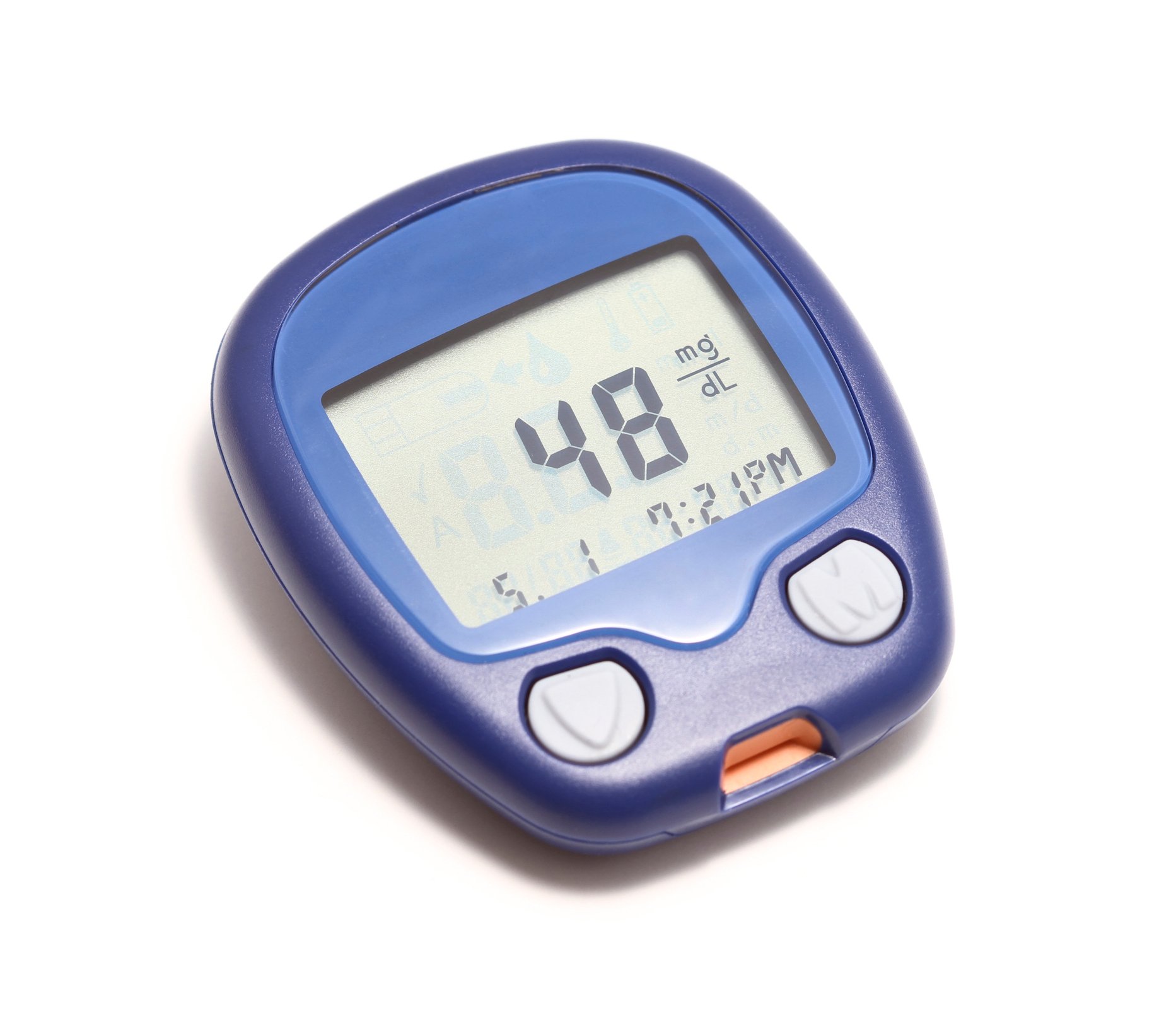
Also known as hypoglycemia, low blood sugar may occur in weight loss injection users. Still, it’s important to note that it’s a rare side effect.
It’s more frequent among those who take other type 2 diabetes medications, like insulin or sulfonylureas. So if you are also receiving treatment for diabetes, close blood sugar monitoring is crucial. Symptoms of hypoglycemia can include dizziness, shakiness, sweating, and confusion.
Pancreatitis
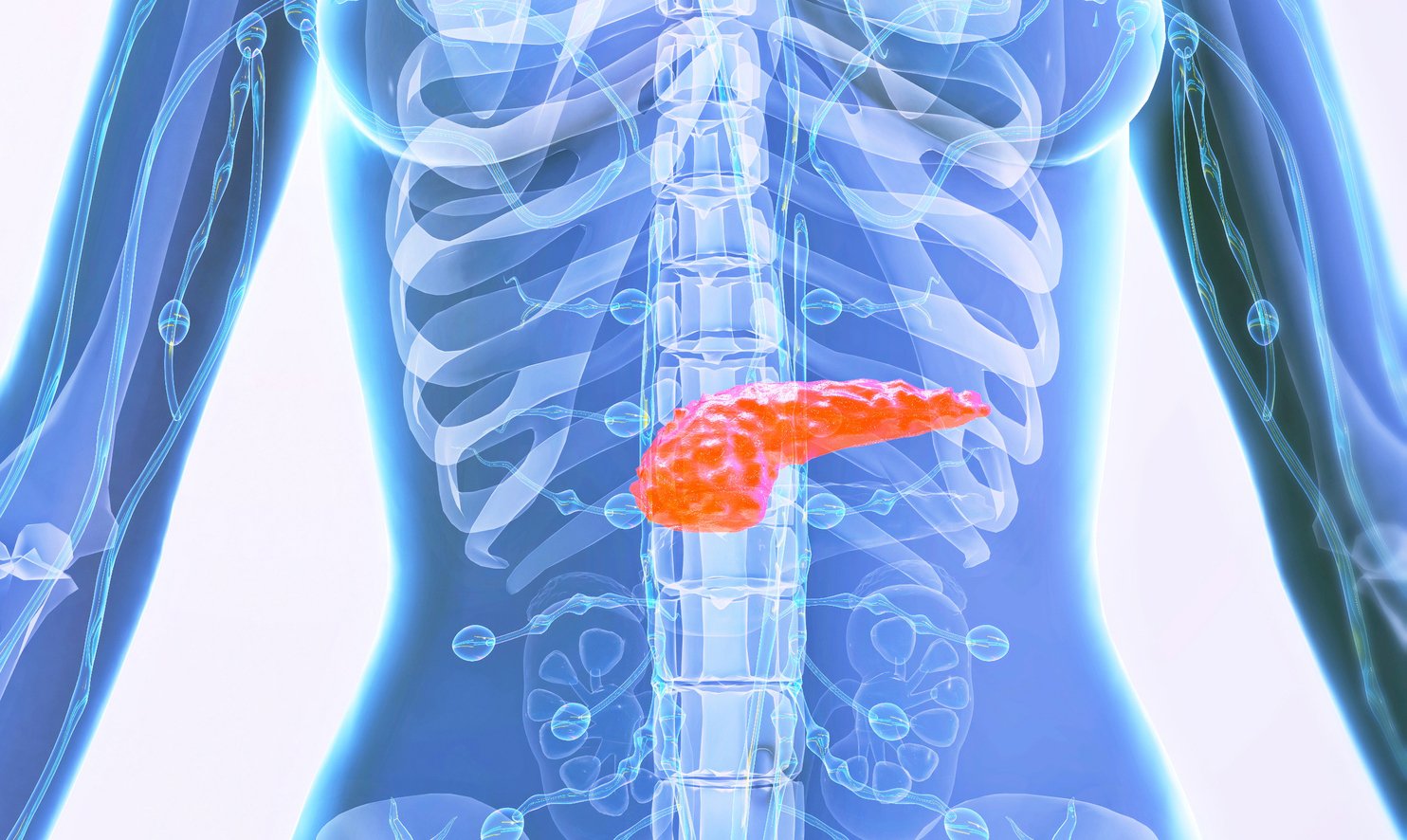
Use of weight loss injections may result in acute pancreatitis among some patients. The pancreas is responsible for producing hormones, like insulin, that regulate blood sugar, as well as releasing enzymes for food digestion. However, when acute pancreatitis occurs, the organ becomes inflamed. This side effect can be severe or even fatal. If you notice symptoms such as intense abdominal pain, severe back pain, and nausea and vomiting, stop taking the drug and contact your doctor immediately. Those who develop acute pancreatitis will be advised to no longer take the GLP-1.
Gallbladder Issues

Below your liver lies the gallbladder, a tiny organ responsible for storing and releasing bile into the small intestine to aid the digestion of fat. But reports have shown weight loss injections can lead to gallbladder problems, including inflammation or gallstones.
Among adult studies, 1.6% of users developed gallstones, while 0.6% experienced gallbladder inflammation. If you begin suffering from upper right stomach pain, right shoulder pain, or yellowing skin or eyes, contact your doctor for an evaluation.
Severe Gastrointestinal Upset

The most common side effects of weight loss injections are typically stomach-related. Symptoms like nausea, vomiting, diarrhea, constipation, and bloating have been widely covered in the media and usually go away within a few weeks of starting treatment.
However, severe gastrointestinal upset has been reported and could result in dehydration or related kidney issues. Those who take Wegovy or other weight loss injections can try eating smaller meals and limiting high intakes of fat or spices. And if the stomach symptoms continue, they should contact their care provider.
Serious Allergic Reactions

Finally, severe allergic reactions are extremely rare with weight loss injections, but not unprecedented. Some people are allergic to the drug’s active ingredient, semaglutide, and could have a life-threatening reaction. Anyone who experiences difficulty breathing or swelling of the throat, lips, face, or tongue while taking the GLP-1 should seek medical assistance immediately. Other possible signs of an allergic reaction to look out for include severe itching, rashes, or feelings of dizziness.