
Jessica and Chris Offer are the proud parents of four beautiful daughters, two of whom happen to be autistic.
But recently, proud father Chris also received a shocking diagnosis: he, too, is autistic.
The Offers have embraced each of these diagnoses as gifts, empowering their family to grow and strengthen each member’s ability to live happily in the world.
Jessica Offer told LittleThings, "Labels are often looked down upon by society, but in fact to autistic people, they can give them wings. They can enable autistic people to have a better understanding of their identities, strengths and weaknesses as human beings.”
Autism Spectrum Disorder is still wildly misunderstood in many communities all over the world.
Through her blog GirlTribe, Offer shares her family’s stories in the hopes of moving the needle forward on widespread autism education.
Keep scrolling through our gallery to learn more about these amazing parents, their four incredible daughters, and how autism diagnoses have improved their lives.
[H/T: Huffington Post]

From around age 4, Jessica and Chris Offer’s eldest daughter started exhibiting non-neurotypical behaviors.
Loud noises bothered her. Eye contact did not come easily. Small changes to her daily routines felt catastrophic.
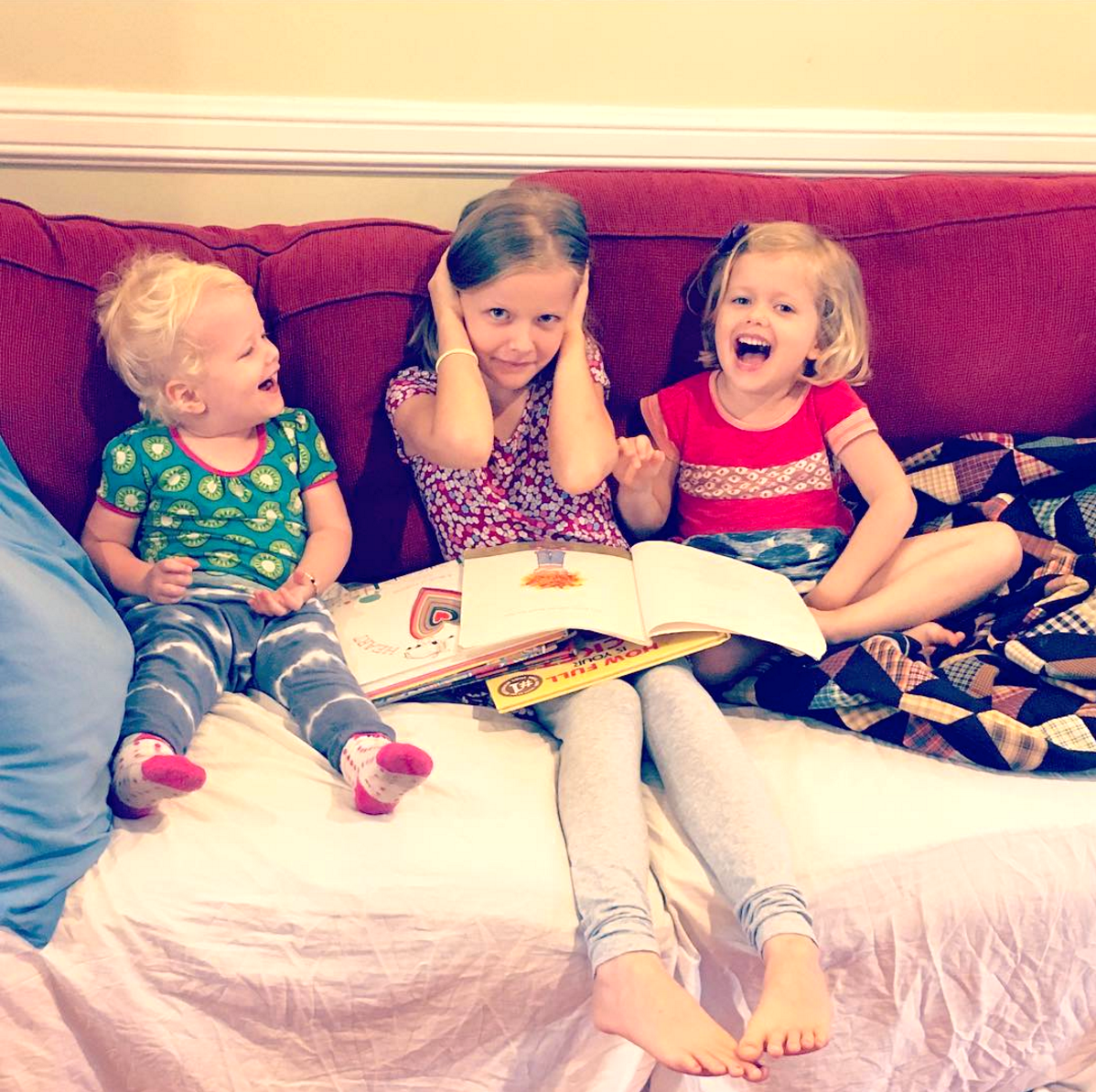
Jessica Offer writes on her blog GirlTribe: “I mentioned these quirks of hers to my husband. He dismissed them as normal. Said he didn’t see the issue. Wanna know why? Because for him it was his normal, too.
“He could understand her triggers because they triggered him, too. And he had many of the exact same struggles when he was young that she was experiencing now.
“But no one made any connection.”

Eventually, their daughter was diagnosed with autism, which Offer writes left her feeling “relief and direction,” while her husband “was in shock and also in disbelief.”
As these parents began exploring mountains of information associated with their daughter’s new label, Chris began noticing all sorts of similarities between the symptoms that had prompted their daughter’s pediatrician toward her diagnosis, and his own behaviors.
Of her husband, Offer writes: “A few months later my husband went and had formal assessments done and received his official diagnosis at age 30. He greeted it with grief, but also relief.”

Did this diagnosis change the couple’s parenting dynamic?
Jessica Offer told LittleThings: “It's really interesting because you would think it would, but I am not sure it has changed much for me. We have been together way too long for me to be limited on my love for him.
"Over the years we have worked out the rhythm that we can dance to together and we just keep talking and listening and giggling. He makes me laugh.”
She continued: “I think his diagnosis has probably effected him on a personal level more than me, because I've known all along that he was not like any other man I'd met and this made me love him even more.
"But he is now on a journey of self-discovery about parts of himself that he never knew before.”

Over time, a second of the couple’s four daughters was also diagnosed with autism spectrum disorder.
While on her blog GirlTribe, Offer admits that while parenting children with autism can be, at times, challenging, it is also not a death sentence.
She writes: “Autism forces you to find other ways of doing things, it makes you aware of things you may have never considered before, it enables you to find a patience, tolerance and compassion for your small person that you never really thought was possible beforehand.”
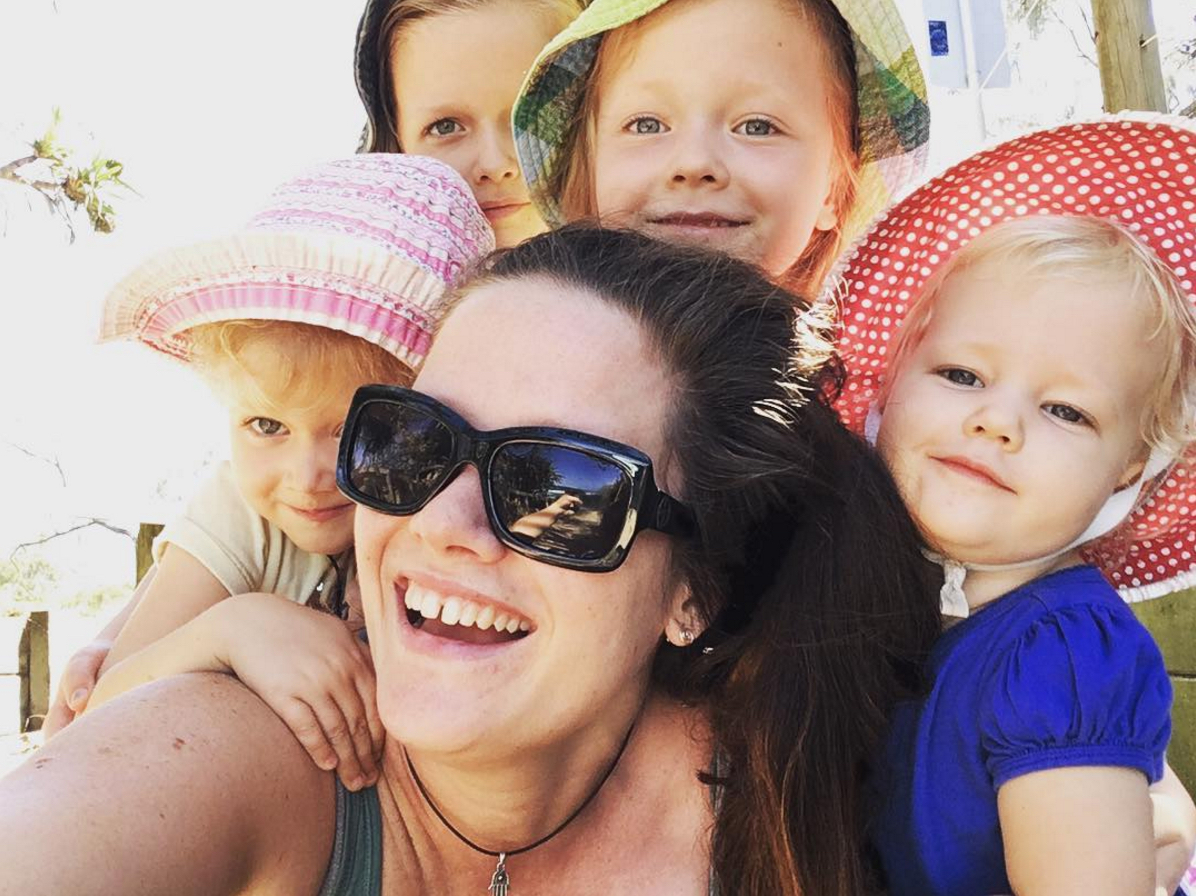
For Offer and her family, these diagnoses have empowered them with the tools they need to improve their daughters’ and their own daily lives.
Offer told LittleThings:“Diagnoses have enabled us to source information and support, to create the kinds of environment for our girls that ensure they are coping as best they can. It's enabled us to be advocates for our daughters.
"With information comes power, and we are now able to often pre-empt any triggers and also predict meltdowns before they occur.”

This newfound information has not only enabled each of these parents to do for their daughters, but also to empower their daughters to do for themselves.
Offer continued: “We are also enabling our daughters to empower and educate themselves about their autistic traits so they can learn to independently self-regulate.
"Having an understanding of why our family may have struggles in some areas has also enabled more peaceful family times because we are not constantly placing our family in situations that are stressful; at least not without a toolkit to manage.”
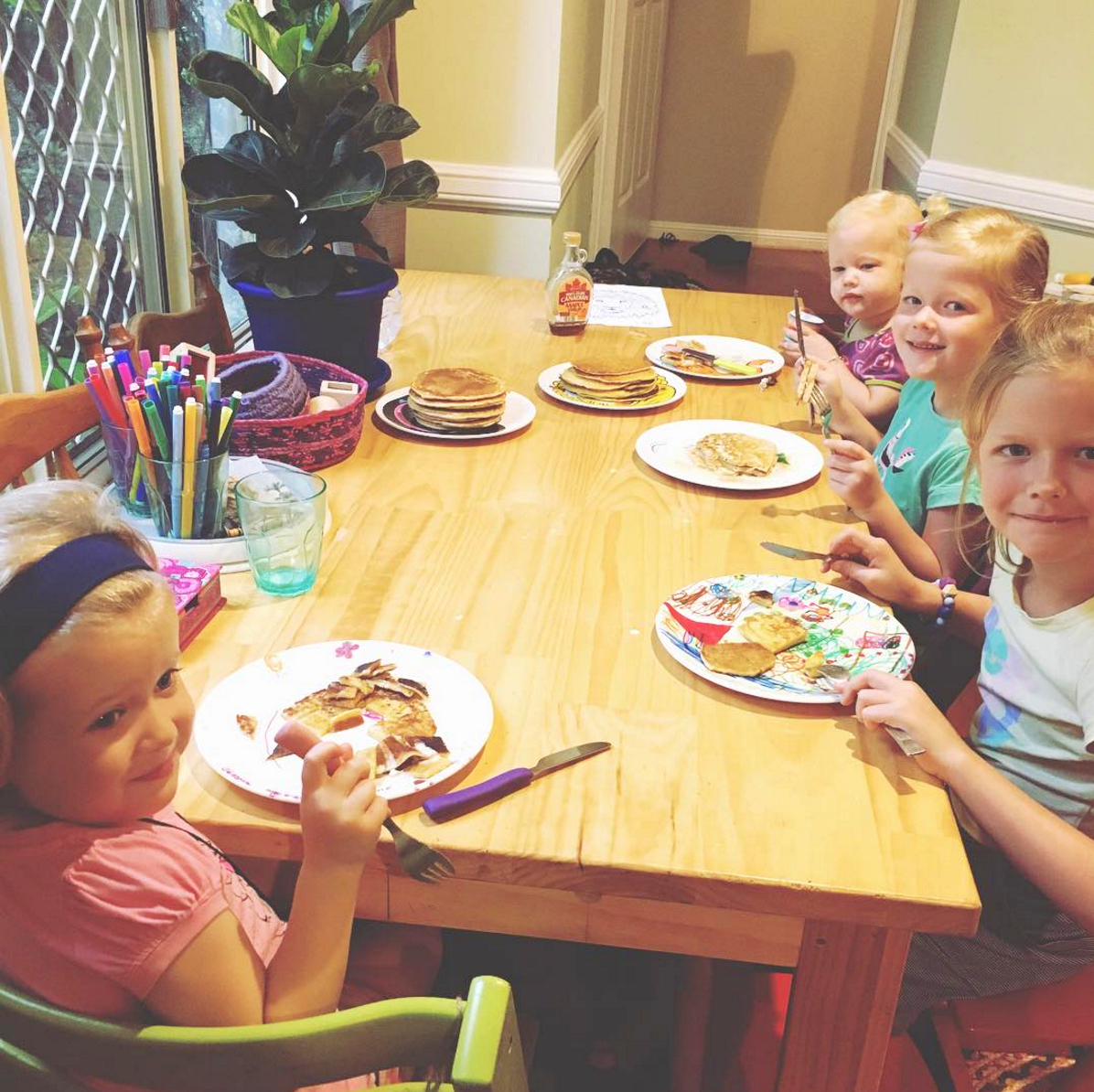
Throughout this journey of discovery and growth, Offer has received all sorts of different tokens of advice.
She shared some of the most relevant pieces she’d gathered so far, telling LittleThings: “Some of the most relevant advice I have been given on this journey is to make sure to prioritize self-care.
"It isn't possible to run on an empty tank and I would be doing my family a disservice to continue parenting when I am at a place where I'm running out of things to give.”
She continued: “I have also been told to make sure that my husband and I make it a priority to have time together to just be 'us' sometimes without parenting constraints.
"If our bond is strong; we are more united in our approach to our girls and make better parents.”
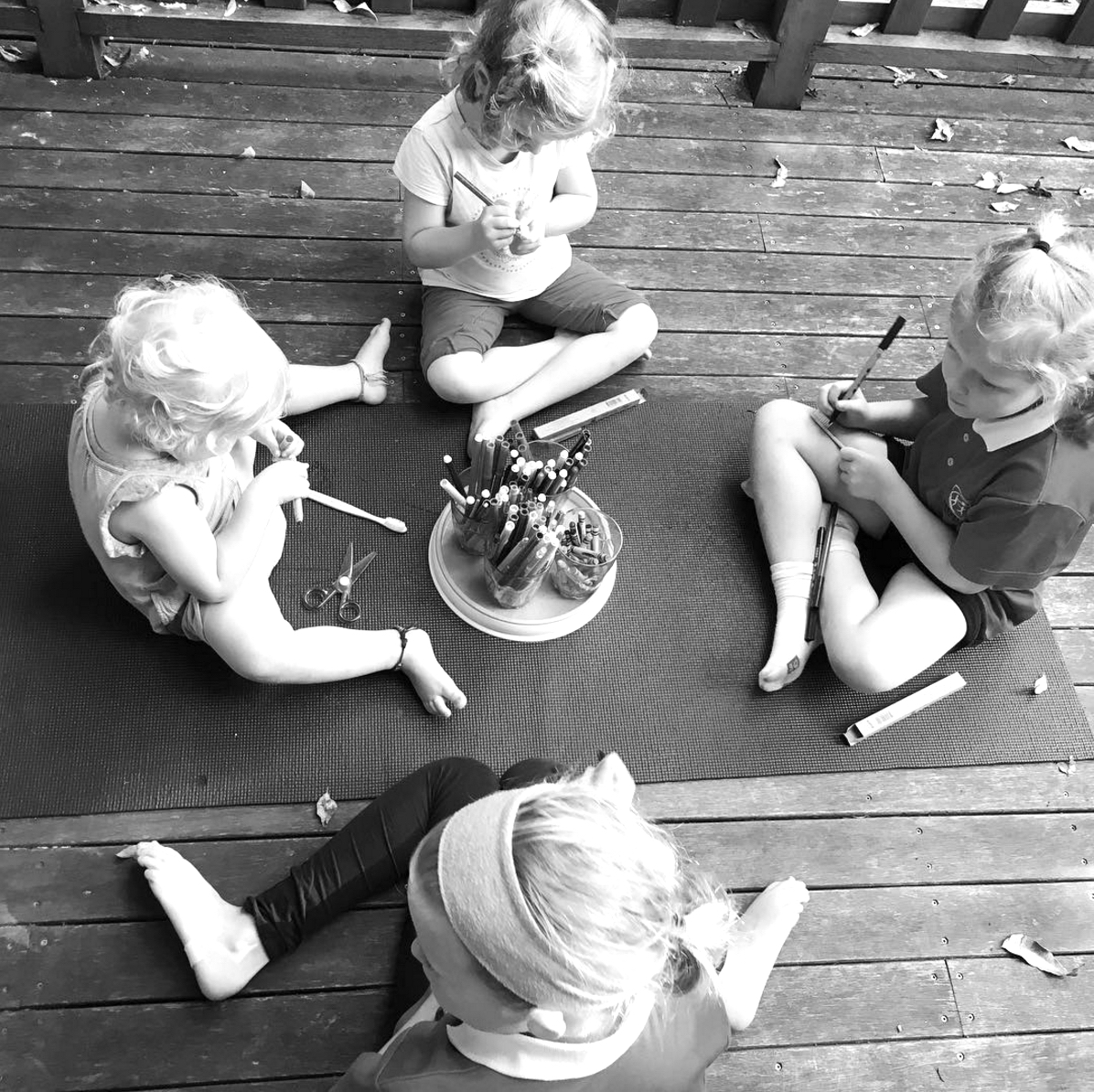
Since Offer started sharing her family’s story through GirlTribe, hundreds of parents have reached out asking for advice.
She explained to LittleThings:“I really try to reply to each and every person individually and my responses are never the same because every human being is their own, unique individual and no two situations are the same.”

In fact, Offer has also learned along her own family’s journey that “girls on the spectrum often present very differently to boys.
“They may have eye contact, they may be really social, they are epic mimics in social situations, which is how they go so often undiagnosed, they may have great eye contact and they are often exceptionally gifted.
"Girls often don't melt down at kindy/school/day care but do as soon as they're home.”
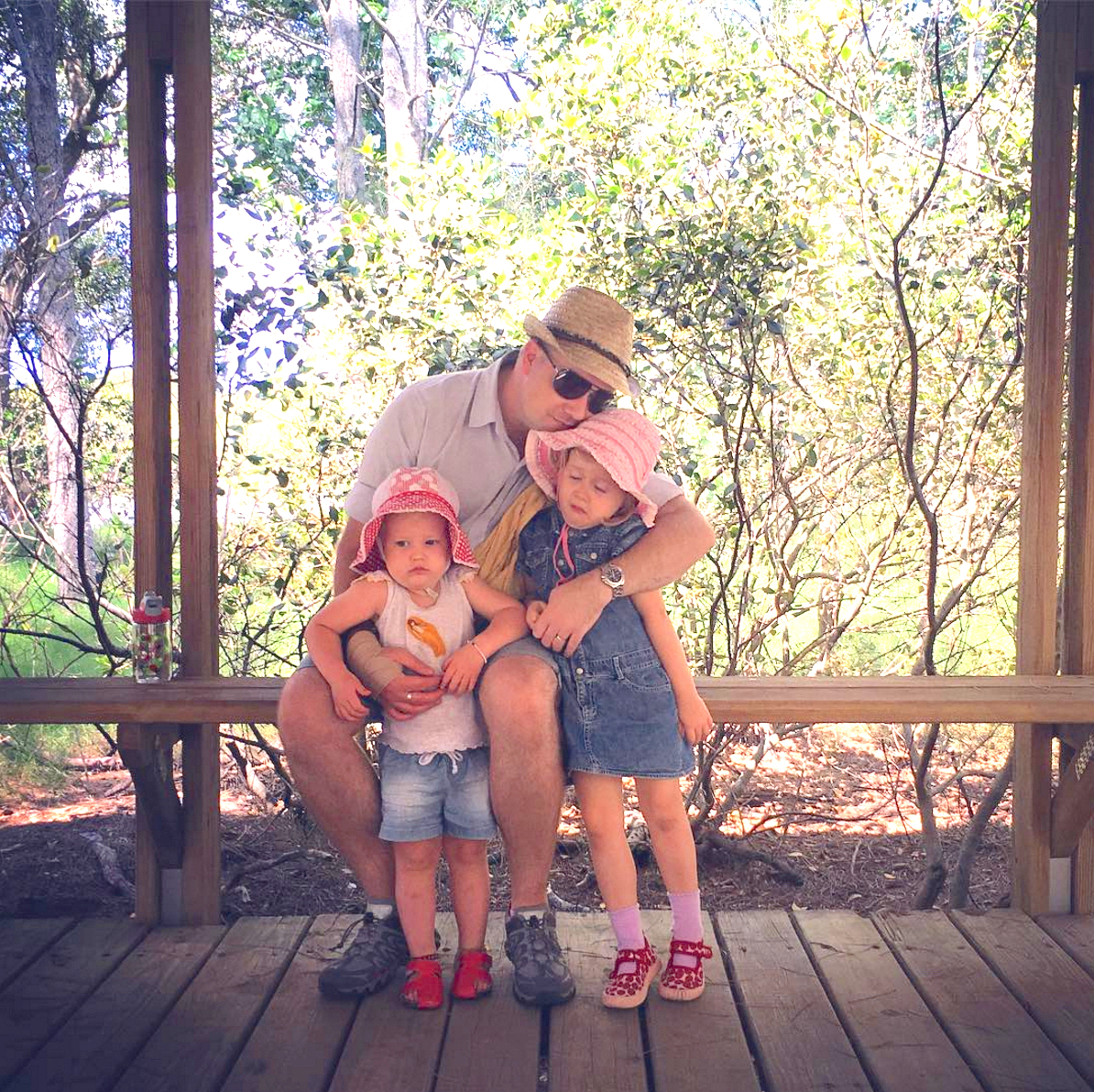
She encourages other parents of autistic children to welcome every different emotion that accompanies caring for a child learning to navigate these symptoms.
“It's okay to be scared and even to grieve that your child may not be like everyone else. Allow yourself the space to move through the emotions, it's okay.
"However I can assure you it does get better — for everyone. And different does not mean flawed or broken; in fact, different just is all kinds of new awesome.”
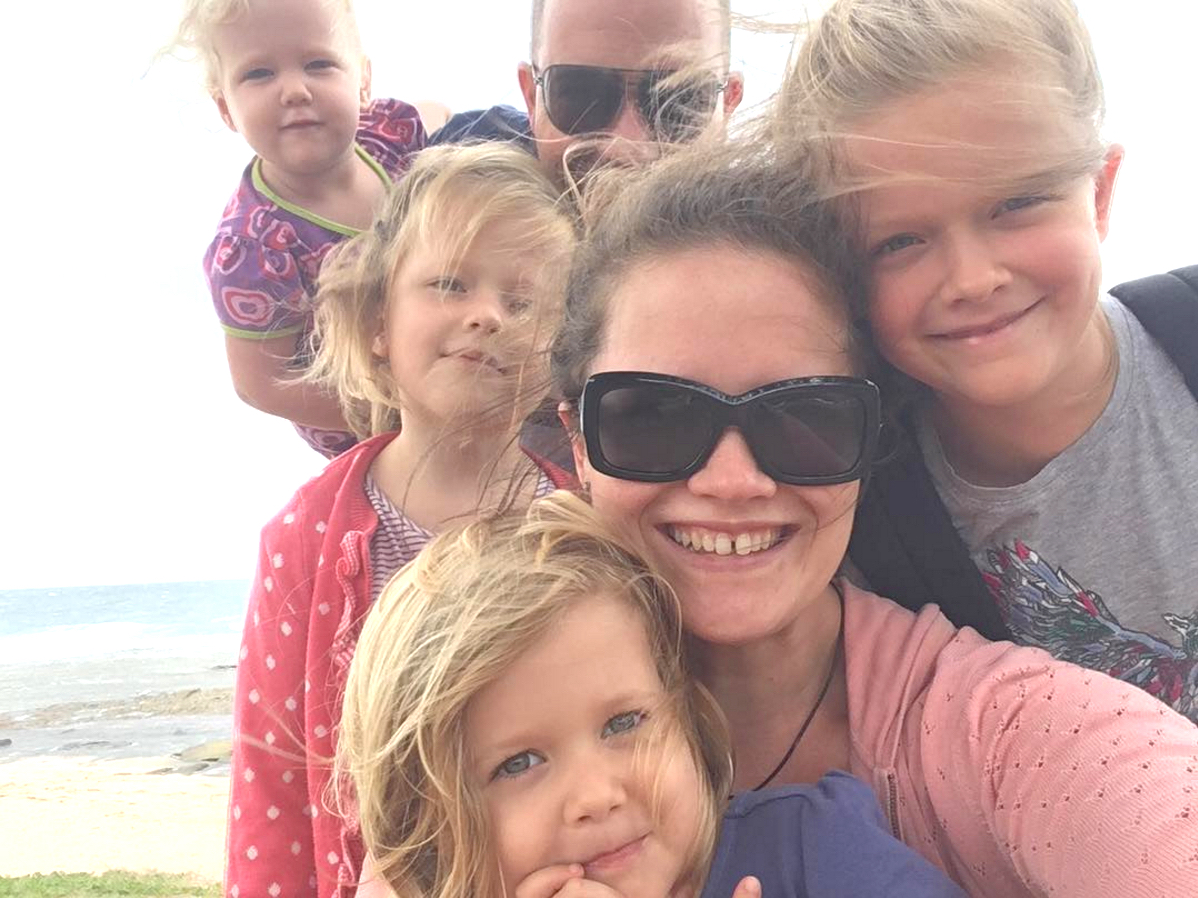
This family embraces each of its members for exactly who they are, and continues greeting every day's challenges empowered with lessons they’ve learned along the way.
What do you think of the Offers’ story? Are you or anyone you love living with autism? Tell us your story in the comments below.
Please SHARE this family’s beautifully strong and accepting approach to living with autism!