
If there's anything that I've learned, it's that education is the most valuable, most precious gift in life.
Most of us take learning for granted. We never really stop and think about it — we may have even complained about going to school and having to do homework.
What we sometimes forget is that not everyone has the same privileges that we do. And there are many out there who are absolutely good Samaritans because they have taken the time, effort, and initiative to offer those who are underprivileged something that they cannot seek elsewhere.
Many years ago, one man has endeavored to help kids who lived in poverty in a very special way. He has contributed more than just time and money to this cause. He has spread the word across the country and into others, and has inspired others to join his effort.
What did you think about what this man has pioneered? Let us know in the comments, and please SHARE!
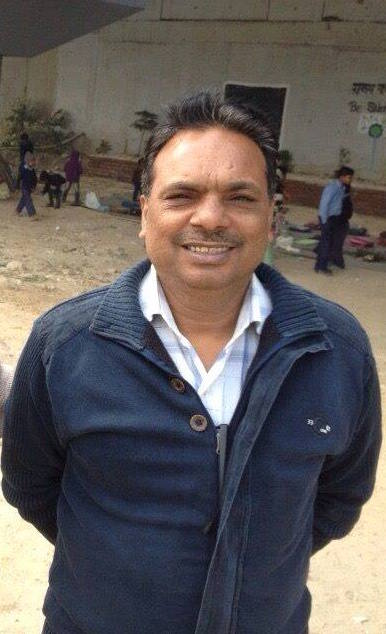
In 1989, Rajesh Kumar Sharma had to drop out of college after his first year due to his family's financial difficulties. Despite this, his dream of becoming an engineer wasn't entirely dashed. The owner of a grocery store in the Shakarpur area in Delhi, India, he would often pass by the area and see a lot of children spend their days playing in the fields rather than attending school. He wanted to help these children, most of whom were born into poor families.
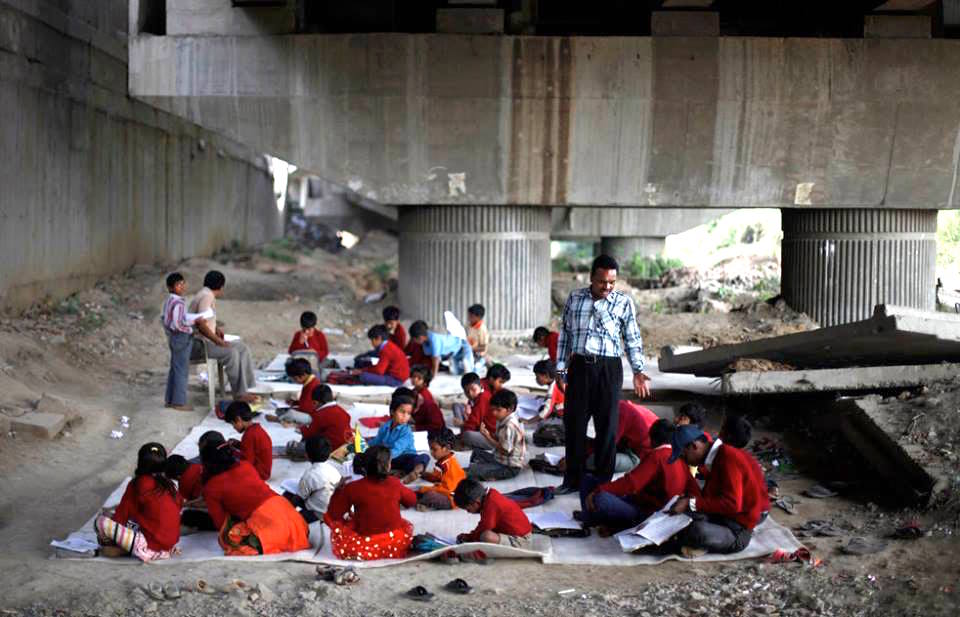
Sharma first started the "Free School: Under the Bridge" initiative over five years ago to help educate kids who lived in huts and shacks in the villages along the Yamuna River. The open-air classroom was situated underneath a metro bridge near the river bank station and was free of charge to students who wished to attend.
The majority of these children were born into families of migrant workers, farmers, local laborers, and rickshaw pullers. The high rates of poverty and illiteracy among these children, coupled with various incompetent schooling systems instated by the government, have denied the kids successful learning experiences.
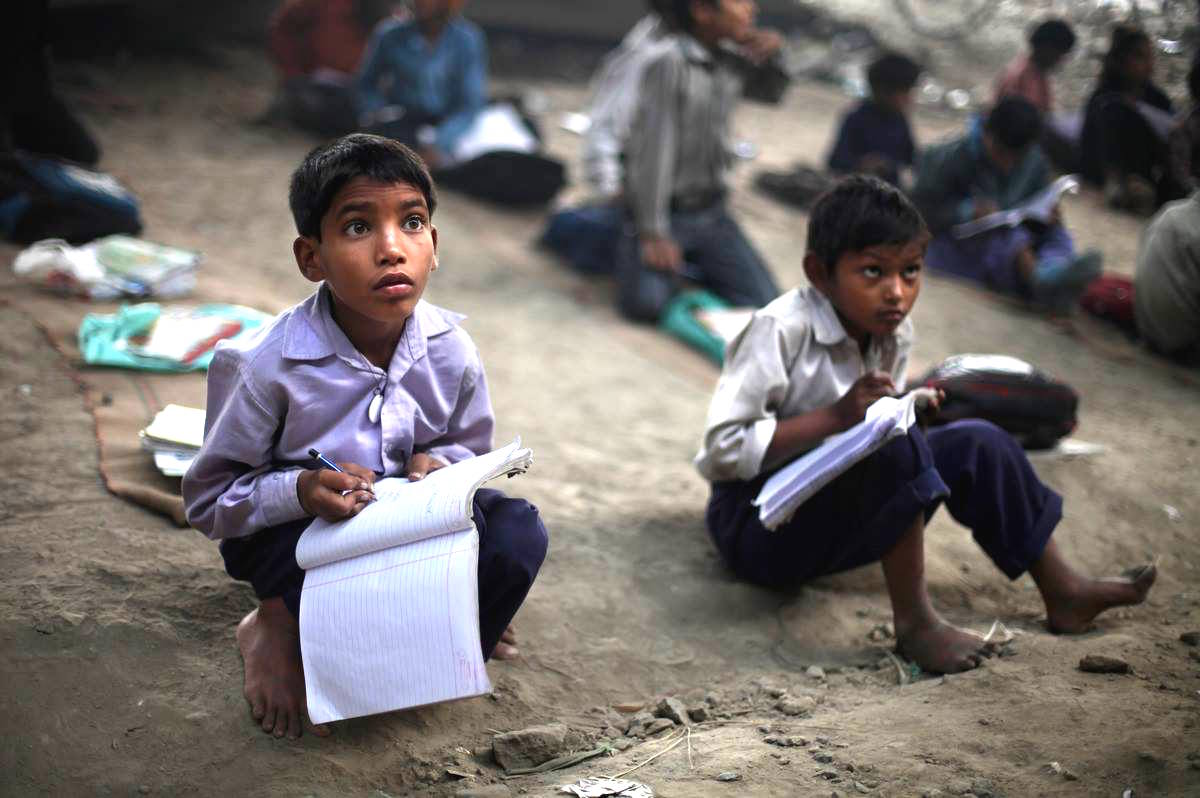
Most of them are registered in local schools but have chosen to attend the Free School's classes because they have helped them better understand the formal syllabi.
Classes start at 9 a.m. every day, and last till noon. After that, the boys attend classes at their local schools. Unfortunately, the girls have to go to regular schools in the morning, so they haven't been able to attend the Free School other than during holidays. Sharma is thinking of starting afternoon sessions under the bridge for the girls.
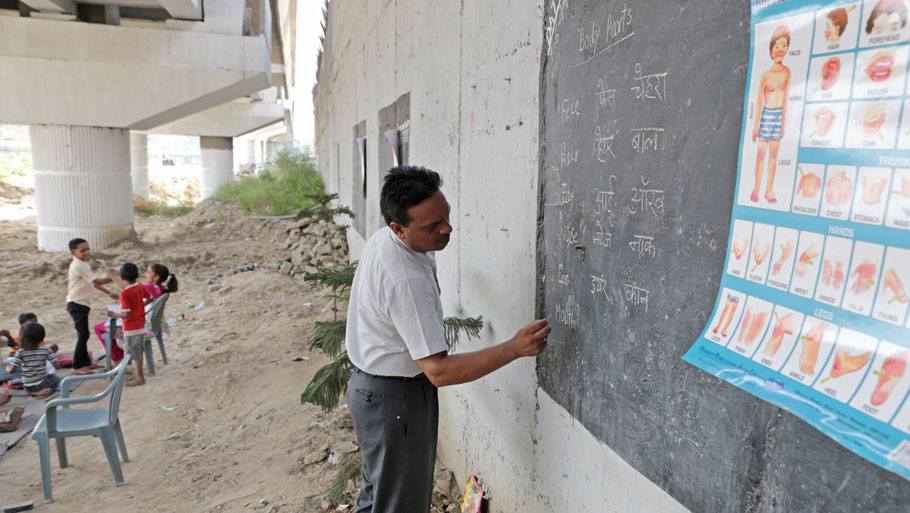
Classes at the Free School teach the students to read and write. The school also gives lessons in Hindi, English, science, math, history, and geography. The objective is to prepare the children for admission into better government schools.
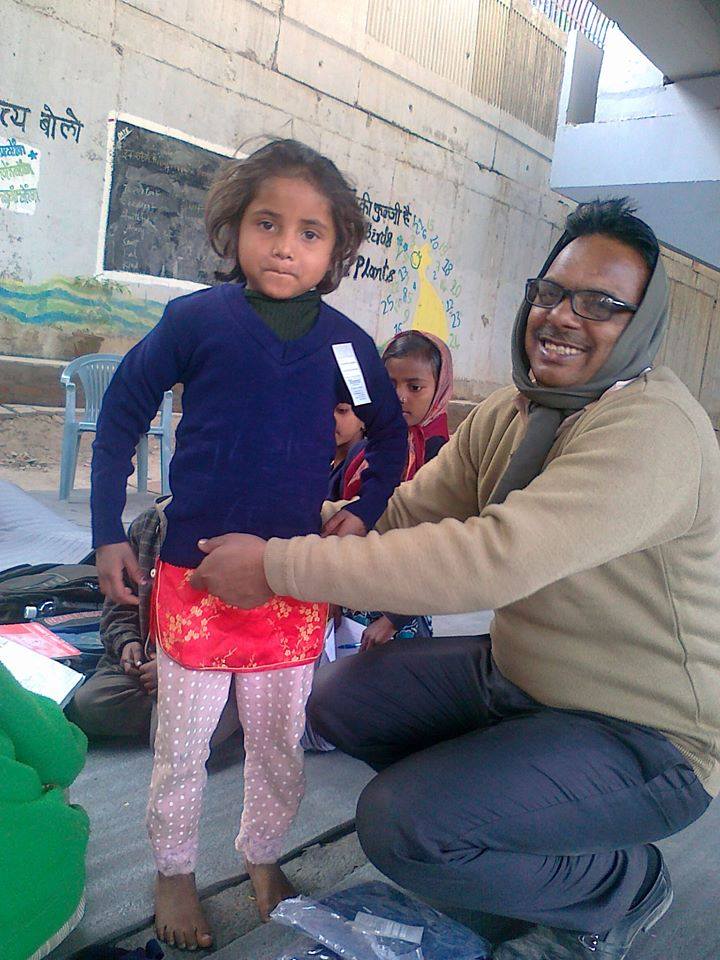
"Our teacher has told us that when poverty strikes, you should open your mind, and that can be done only through education," said Abhishek, 15, one of Sharma's students, to The Indian Express.
In addition to teaching at the school under the bridge, Sharma has dedicated his time to educating underprivileged kids in several other parts of the city. "I mostly [teach] laborers' children. As they moved from site to site, it got difficult to follow them everywhere," he told the paper.
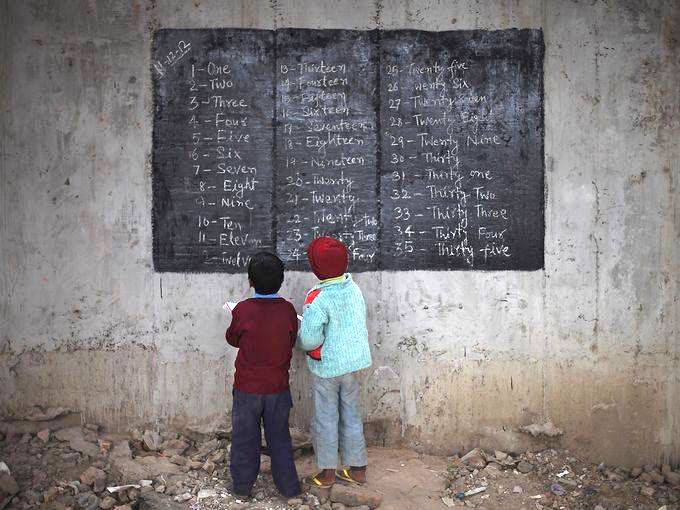
Despite the apparent differences between the Free School and government-run schools, Sharma is not discouraged. “I just believe I have to give my best in teaching these children, because otherwise they will become part of a generation lost [to] poverty. Moreover, I encourage them to get enrolled in government schools so that they can avail some benefits,” he told Hindustan Times.
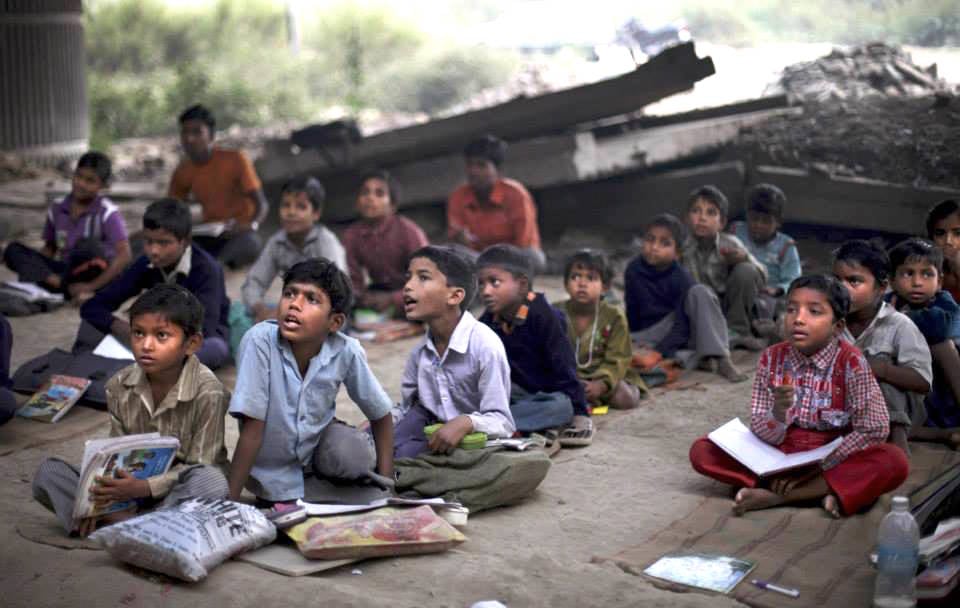
All of the teachers at the Free School come of their own free will and out of a genuine desire to help educate and better the lives of the students.
"The children at this school are hardworking and intelligent," Laxmi Chandra, a math teacher for the high schoolers, told Hindustan Times. "All they need is guidance, and that we aim to provide."
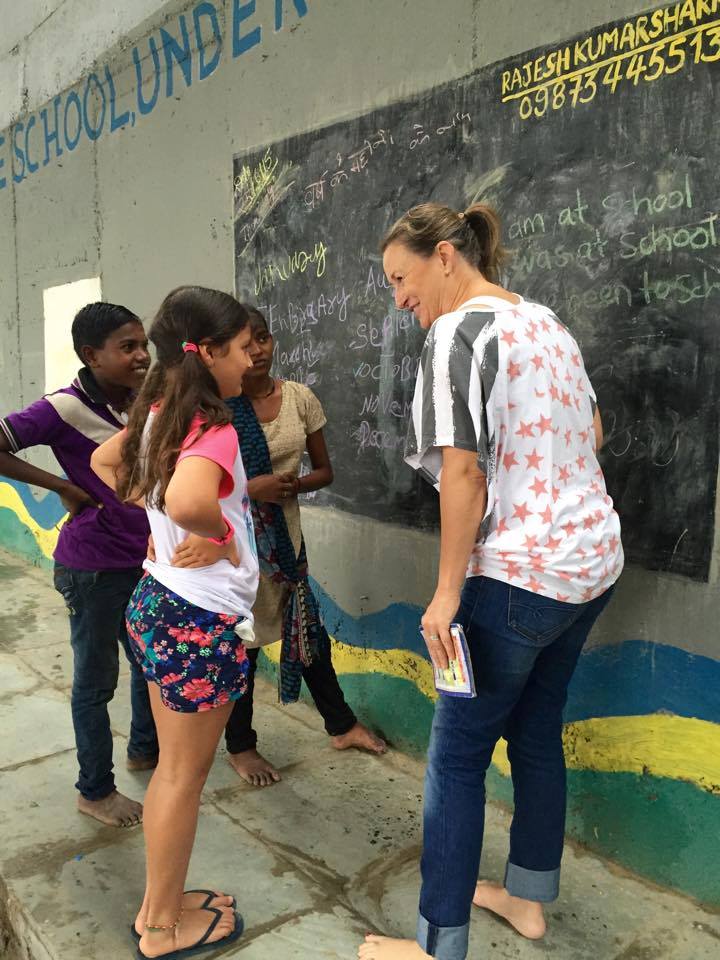
The Free School first gained international fame in 2011, and, since then, countless volunteers have joined Sharma's effort to help the students. Currently, more than 200 kids attend the classes under the bridge, and hundreds who came before them have successfully passed the admissions tests for government schools.
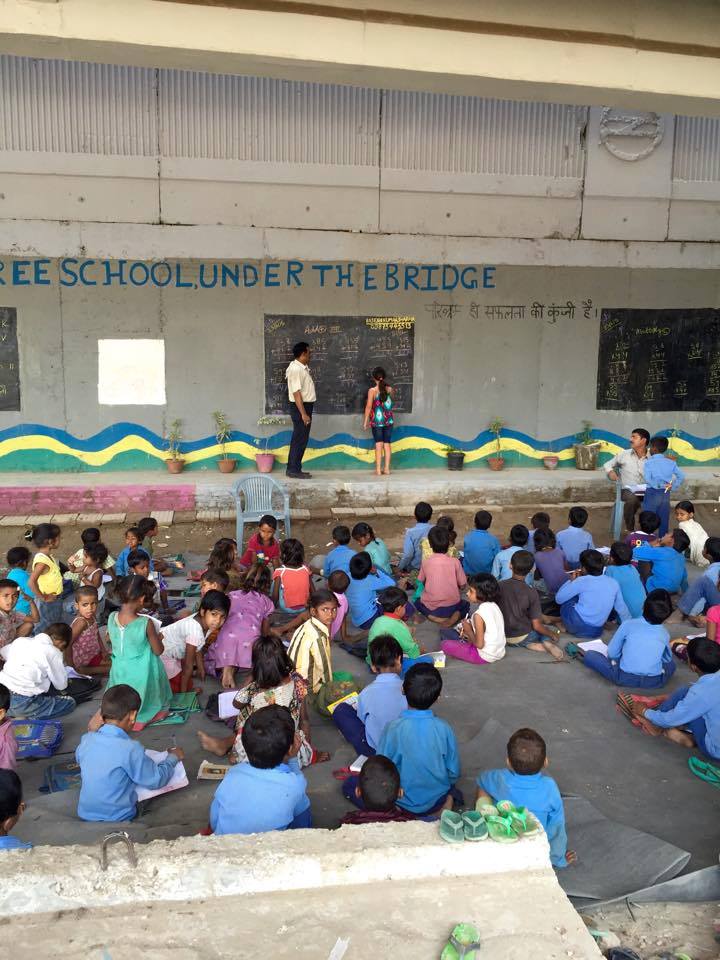
Generous people have donated supplies, chairs, toilets, and their time to helping the classroom grow. What once was a dusty, barren plot of land underneath the bridge has become an incredible, vibrant environment of growth and opportunity.
Please SHARE the the story of this incredible school!