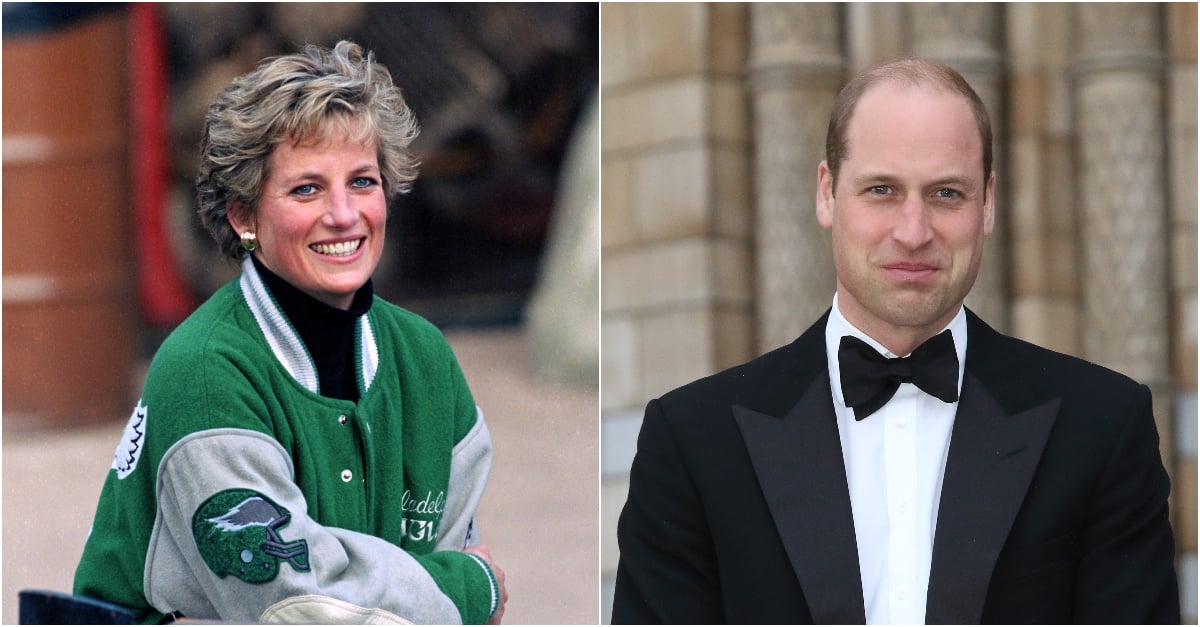
Prince William opened up about the loss of his mom, the late Princess Diana, in a BBC documentary from 2019.
Prince William lost his mother to a car crash when he was only 15 years old. Now he's talking openly about mental health is part of his life's mission. He knows exactly how the loss of a loved one can send you into a downward spiral, and he wants people to know that it's OK to talk about that. In a country where suicide is the leading cause of death for men under age 45, William's message is important.
The prince collaborated with the BBC for a documentary, A Royal Team Talk: Tackling Mental Health. In it, he discusses the pain of losing his mom.
"I think when you are bereaved at a very young age… you feel pain like no other pain," William said.
But if there's one thing that makes the pain bearable, William says, it's talking about it with other people who understand.
One of Prince William's greatest passions is his work around mental health. Over the years, he's worked to destigmatize mental health struggles by being open with the public about his own.
William just worked with the BBC on a new documentary, A Royal Team Talk: Tackling Mental Health. In it, he opens up about how losing his mother at a young age affected his mental health.
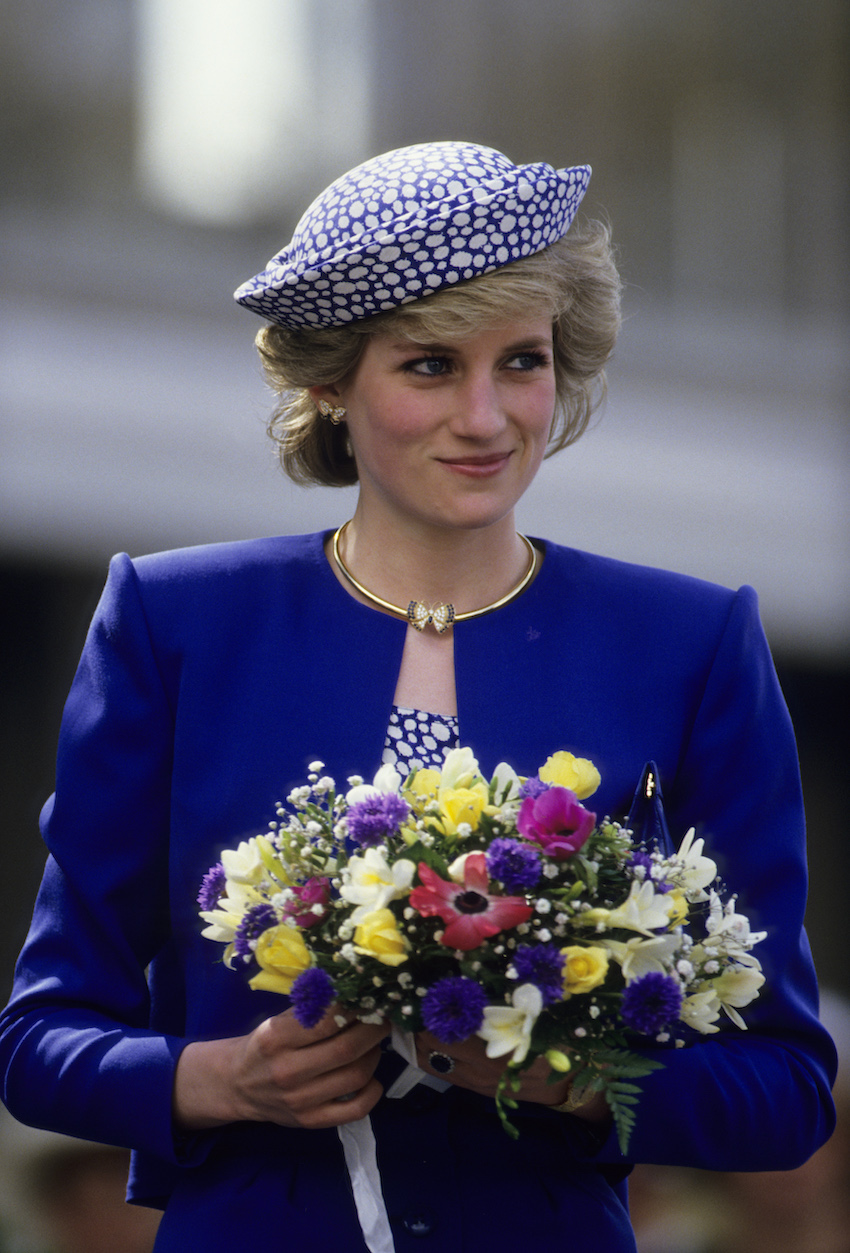
Princess Diana died in 1997, leaving behind 15-year-old Prince William, 12-year-old Prince Harry, and their father, Prince Charles.
Over two decades later, the death of Diana still affects the entire family. Prince William says in the documentary that it was a "pain like no other."
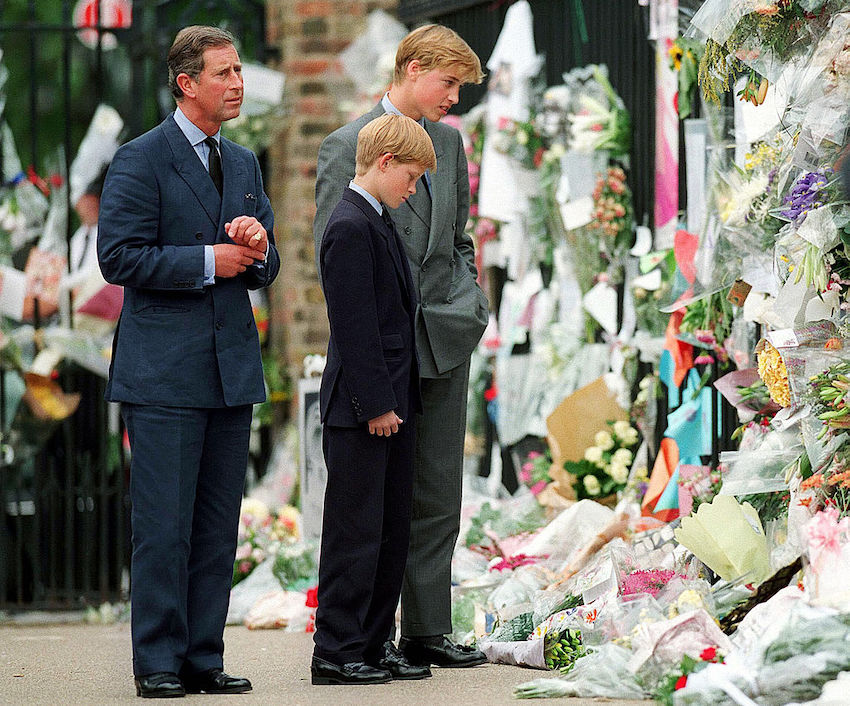
"I think when you are bereaved at a very young age… you feel pain like no other pain," he said.
"And you know that in your life it's going to be very difficult to come across something that's going to be an even worse pain than that."
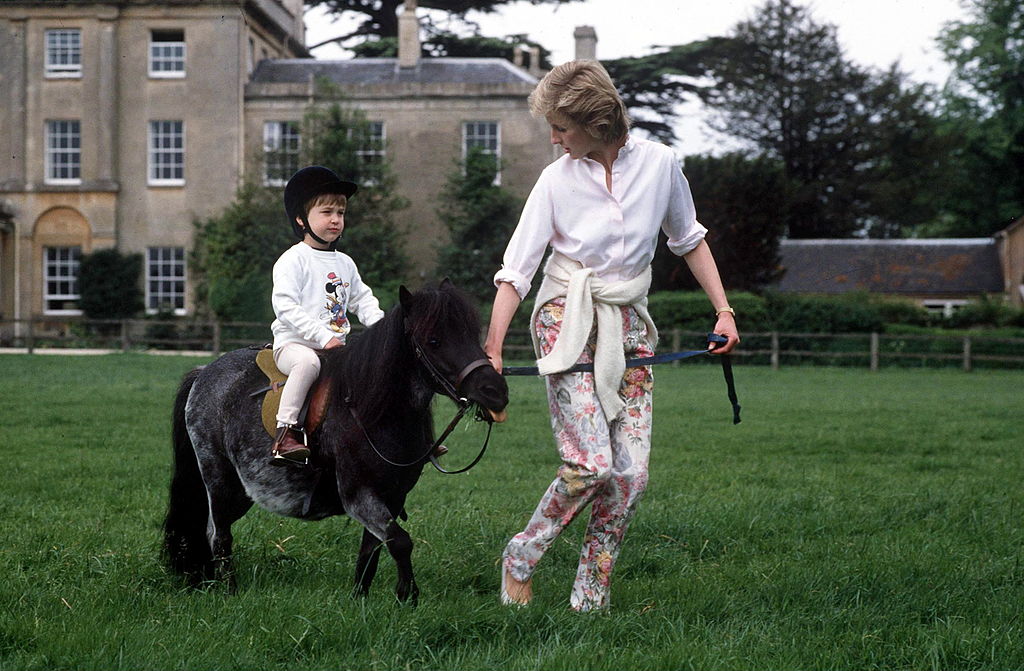
But, as William added, that loss connects you to others who have been through the same thing.
"It also brings you so close to all those other people out there who have been bereaved," he said.
He added that you can see bereavement "in their eyes" when speaking to those who have lost a loved one.
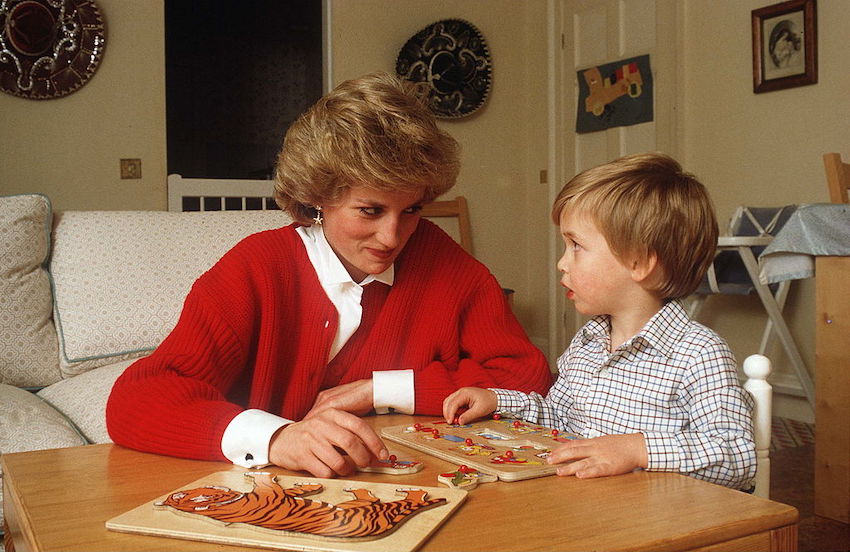
"They want to talk about it, but they want you to go first, they want to have your permission that in that particular conversation — one on one — it's OK to talk," he said.
His brother, Prince Harry, echoes that sentiment. Harry has also been incredibly open about the loss of his mom and his subsequent struggles with mental health, and he had a recent interaction with a former soldier who had lost his mom as well.
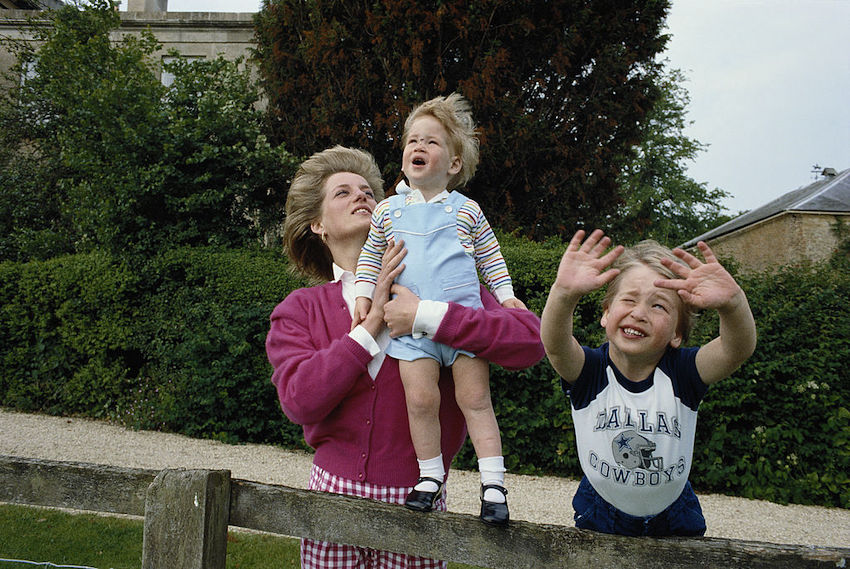
"[Harry] said missing a mother is like missing some kind of security, how you need that as a son and it falls away when you lose your mother," the soldier, Dennis van der Stroon, told People.
"He said he meets a lot of people in his work who have lost a mother, father, sister, brother or relatives and when he hears their story, as he heard my story, he said he doesn’t feel so alone."
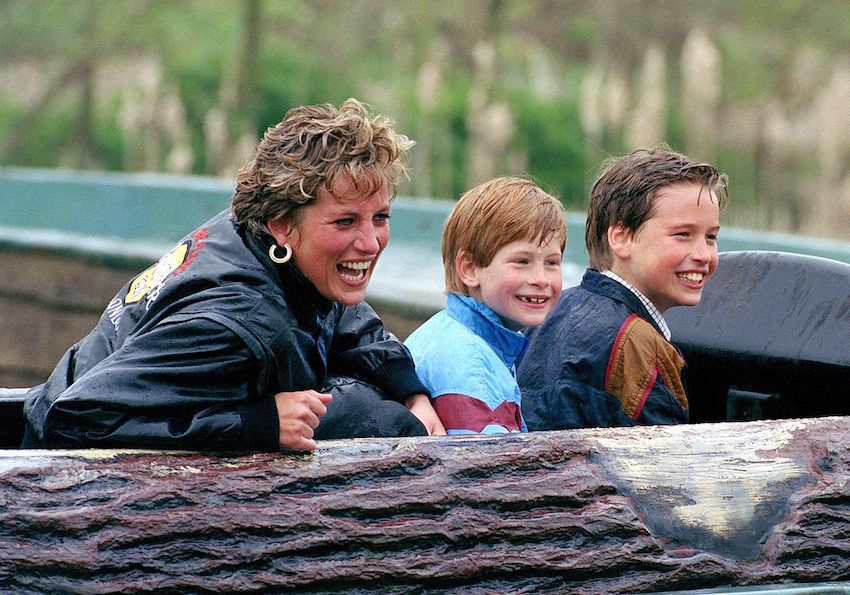
For William, these discussions are incredibly important. He says that, while it's tempting to keep difficult emotions inside, it's important to be able to talk about them, too.
There's a time and place for everything, he says.
"We are nervous about our emotions; we’re a bit embarrassed sometimes," William said in the documentary.
"The British stiff upper lip thing – that’s great and we need to have that occasionally when times are really hard."
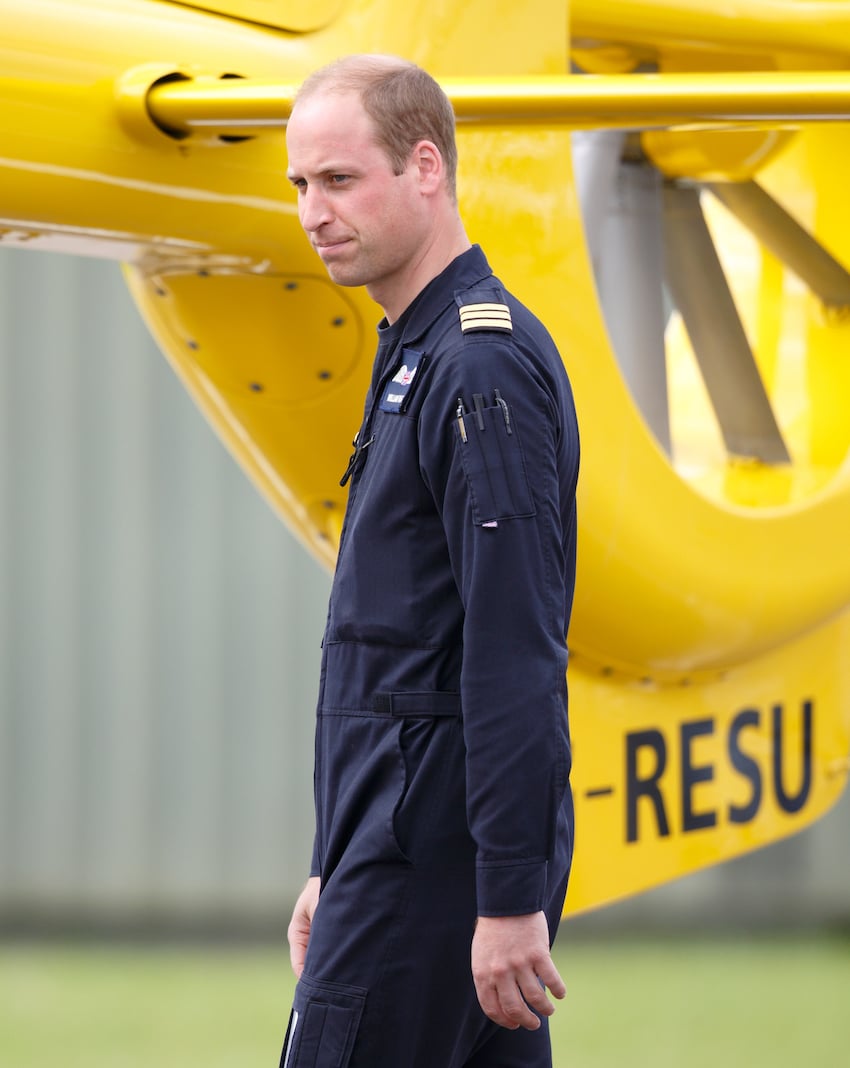
"There has to be a moment for that. But otherwise we’ve got to relax a little bit and be able to talk about our emotions because we’re not robots."
Beyond the death of Princess Diana, William's mental health was also affected by his time as an air ambulance pilot.
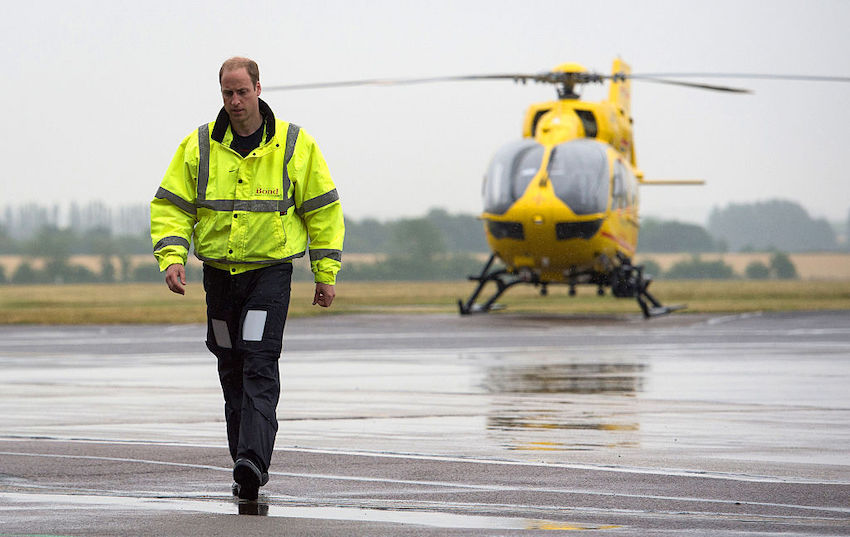
The job left him with "a very depressing, very negative feeling, where you think death is just around the door everywhere I go," he said.
"That's quite a burden to carry and feel."
William worked with the East Anglian Air Ambulance from 2015 to 2017. He says that he sometimes found it almost impossible to cope with the amount of grief that he saw every day.
"You’re dealing with families who are having the worst news they could ever possibly have – on a day-to-day basis," he said.
"Even though you don’t necessarily know the individual or the family, you share someone’s pain – because we all do. We all have families; we can all relate to it."
"That’s the thing with mental health – we can all relate to it. We see it day-to-day around us… let’s talk about it. It would make a big difference," William said.