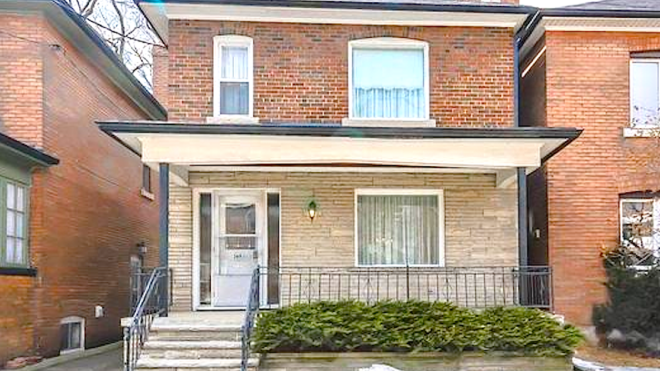
If you're like most people who live in most houses, then you know that grass and trees grow on the ground around your house, right? After all, where else would they be?
Well, almost anywhere else, actually, including on the house itself!
Integrating living plants into architecture is, to many, a new idea that comes along with concepts of sustainability and eco-friendliness, like the living wall that can be added to an existing house for a splash of green.
But if you live in Norway, or elsewhere in Scandinavia, having a house full of growing green things is actually old news.
Turf houses, also known as sod houses, have been a common sight in Norway for centuries.
Traditionally, houses in the region were built with sod roofs, a practice that started in prehistory and lasted until the 18th century. That meant that the roofs were essentially elevated soil, and resulted in grasses, flowers, and sometimes even little trees taking up root.
After that, tile and later metal roofs became the new norm, and growing sod roofs began to fall out of fashion.
And just when they were nearly gone, the interest in them picked up again, and continues to this day. Since 2000, there's even been a competition held for the best green roof in Scandinavia.
Check out some of them below, and see if you don't find yourself wishing for a living roof!
[H/T: Amusing Planet]
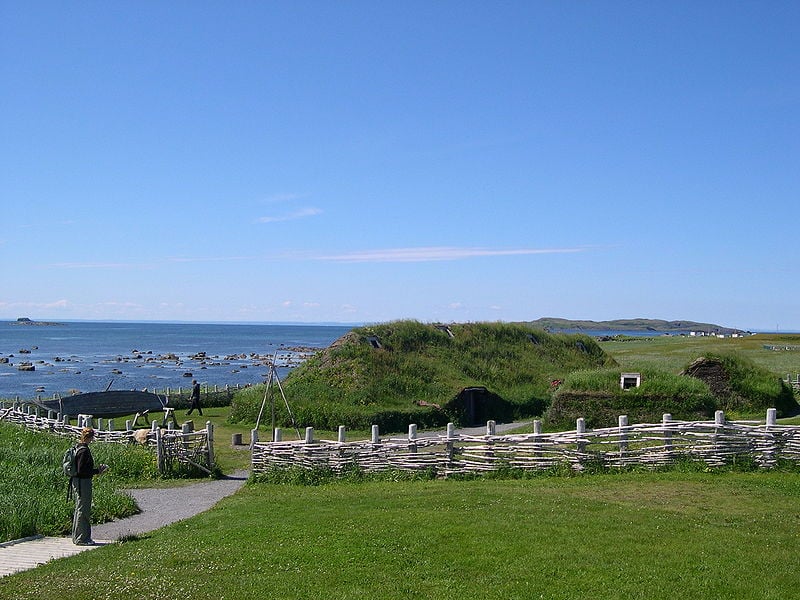
In Scandinavia, grass-roofed dwellings date back to before the Viking period. These recreated Viking dwellings look more like little hills than houses.
The soil and grass would have provided the inhabitants with a thick layer of insulation against the bitterly cold winters.
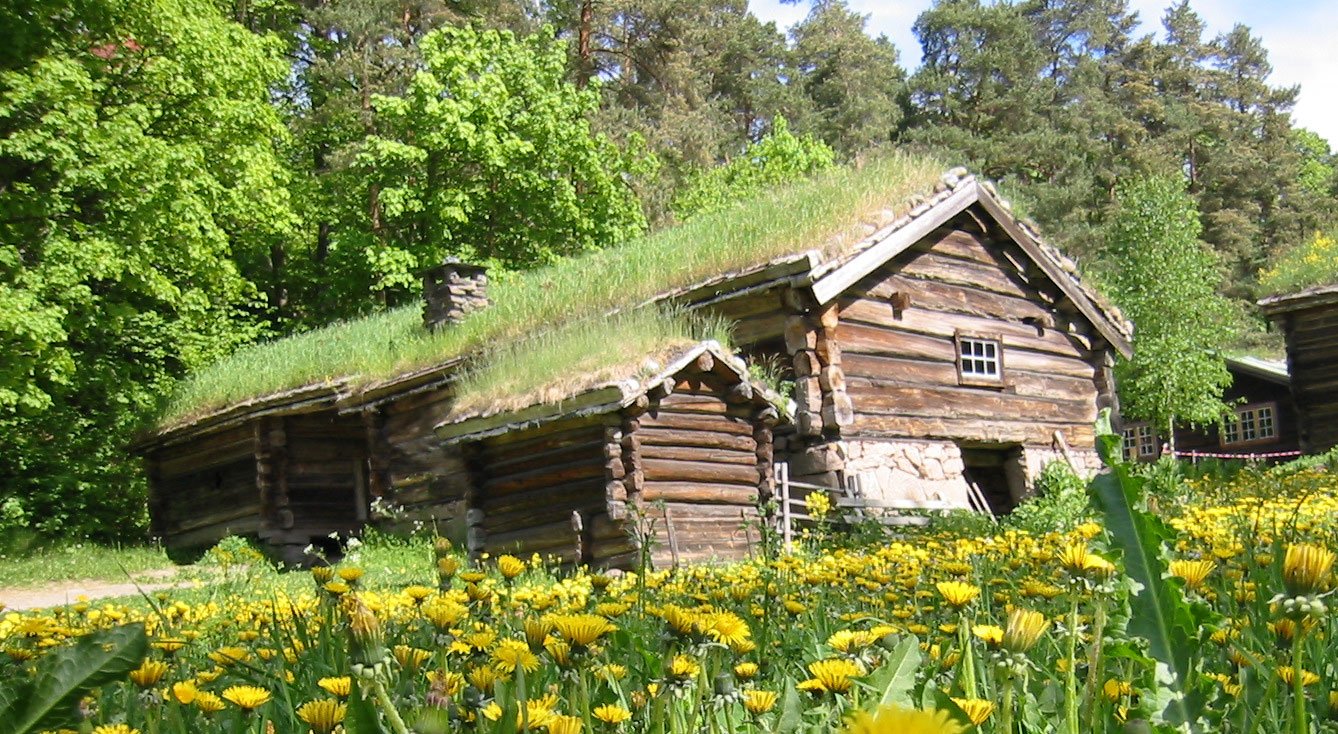
Houses evolved over time, but people didn't forget the advantages of having a green roof. It might seem counterintuitive, but having a living roof actually has a number of advantages.
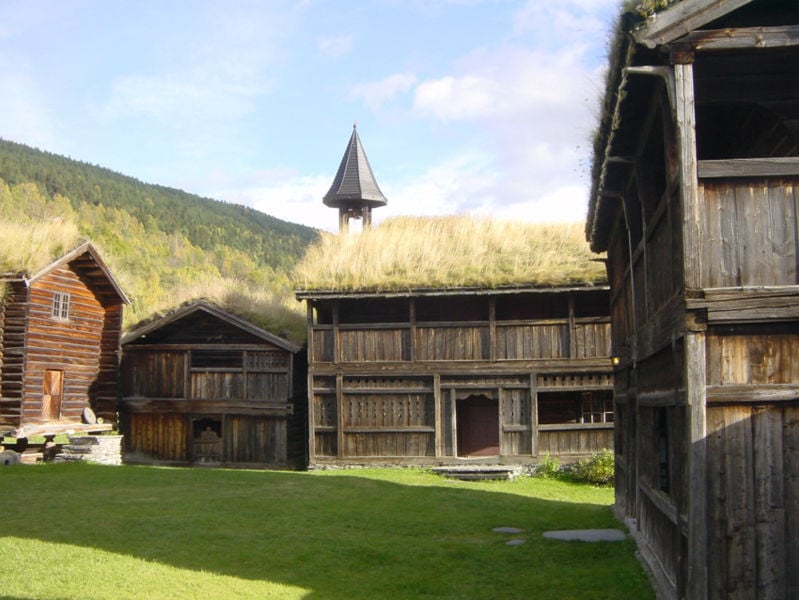
For one thing, it provides a lot of insulation, and keeps heat from escaping through the roof, which is important if you live in Scandinavia.
But it also keeps the house cool in the summer, blocking the sun's rays.
Back in the day, this was practical, but today, environmentalists point to the advantage of lowering heating and air-conditioning bills.
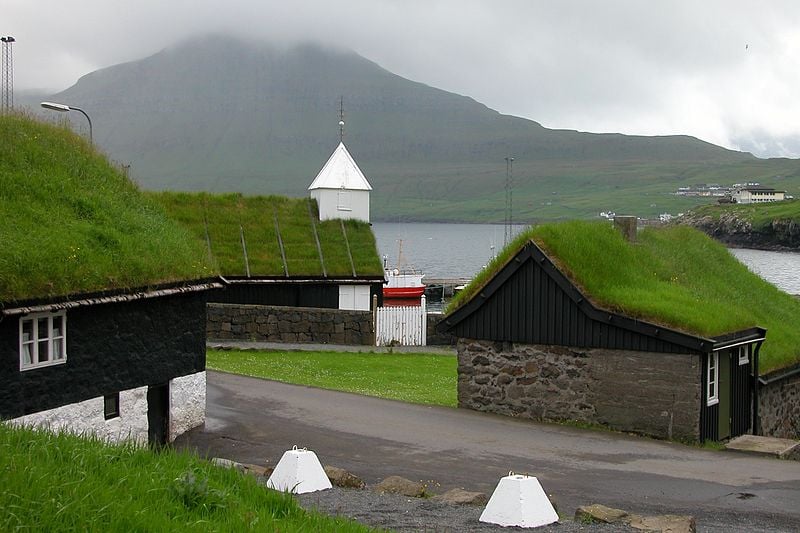
And in case you're wondering, yes, they're waterproof!
Traditionally, birch bark was used as a natural waterproofing layer to prevent leaks. That also means that excess water would run through the soil and off the roof, where it could be collected.
The soil and roots would act as a form of water purifier, too.
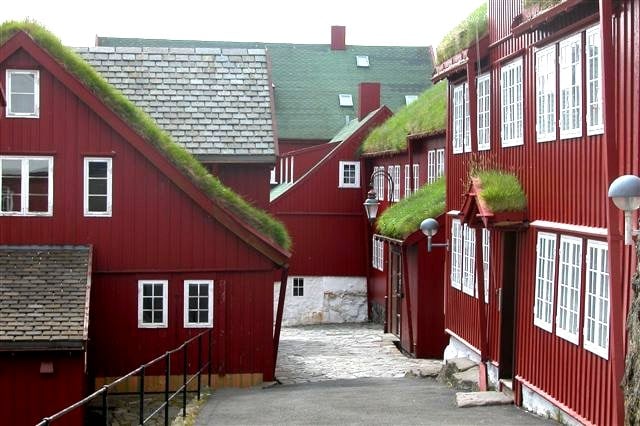
In the modern day, green roofs have the ability to also purify and cool the air, something that cities in particular need.
They can do a lot to mitigate the pollution prevalent in cities, and they also look really nice!
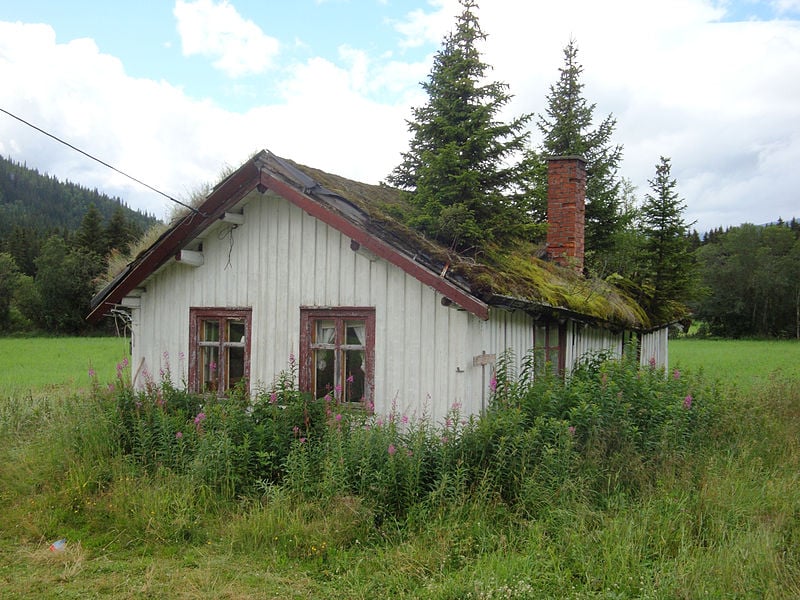
Of course, they do require extra attention. When trees start to grow, they have to be removed, or they'll eventually destroy the roof with their roots.
Special precautions must also be taken to make sure the roofs are strong enough to support the soil and grasses.
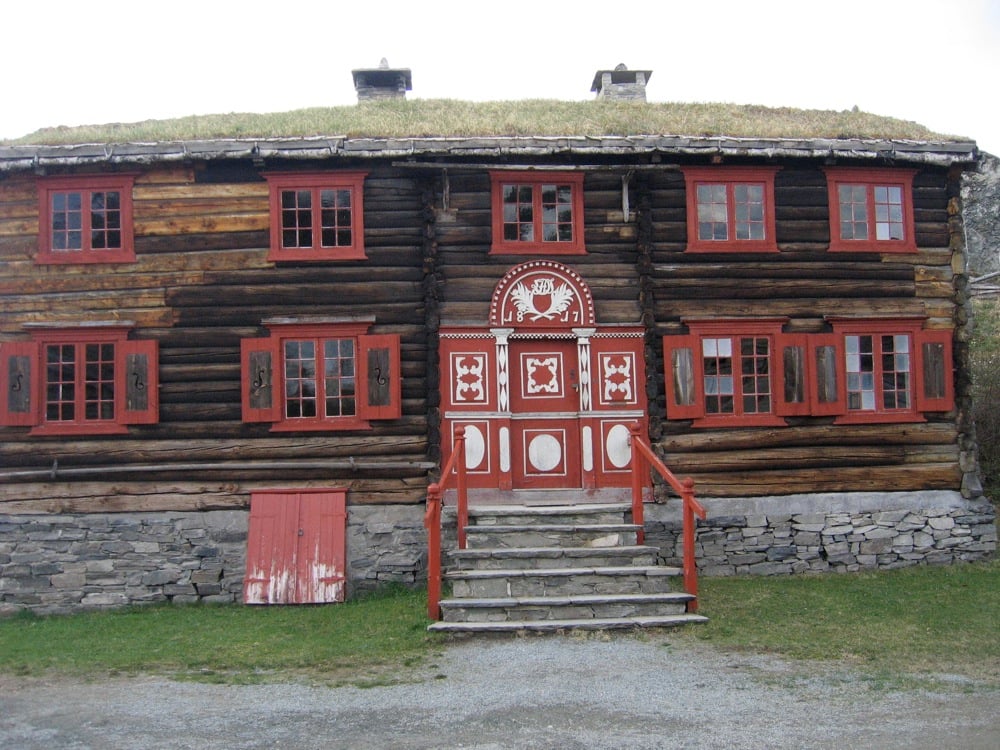
But with the proper construction, the green roofs can last for a very long time, on houses big and small alike. Sometimes, people would even let their (small) livestock on the roof to graze!
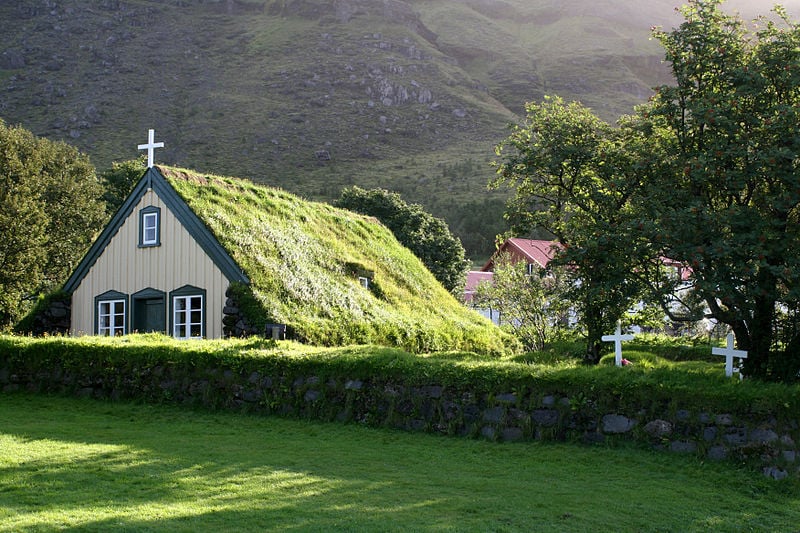
And it's not just houses, either. This church in Hof, Iceland, has a growing roof.
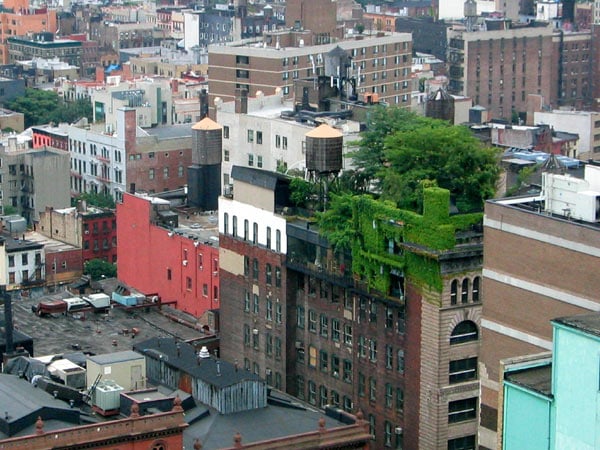
And as people become more and more concerned with environmental damage, green roofs are popping up all over the world, like this one in Manhattan.
Some are used as gardens for food, and some are simply a way to add a green splash to the landscape.
Would you live in one of these all-natural houses?
Let us know in the comments below, and please SHARE these gorgeous homes with your earthy friends!