Being happy with your body is hard for just about everyone. With a near-constant influx of both direct and indirect messaging from Hollywood, social media and the internet, it can hard not to pick yourself apart. As a plus-size woman, I am no stranger to self-deprecation when it comes to scrutinizing my own looks. I had some radical acceptance of my body before I had a baby, but in the years that have followed since I have struggled with loving myself. I can fully understand the desire to turn to cosmetic surgery, and anyone who chooses to do so is not better or worse than anyone who doesn’t. That being said, the latest trend in body and soon facial rejuvenation might just give you the heebie jeebies.
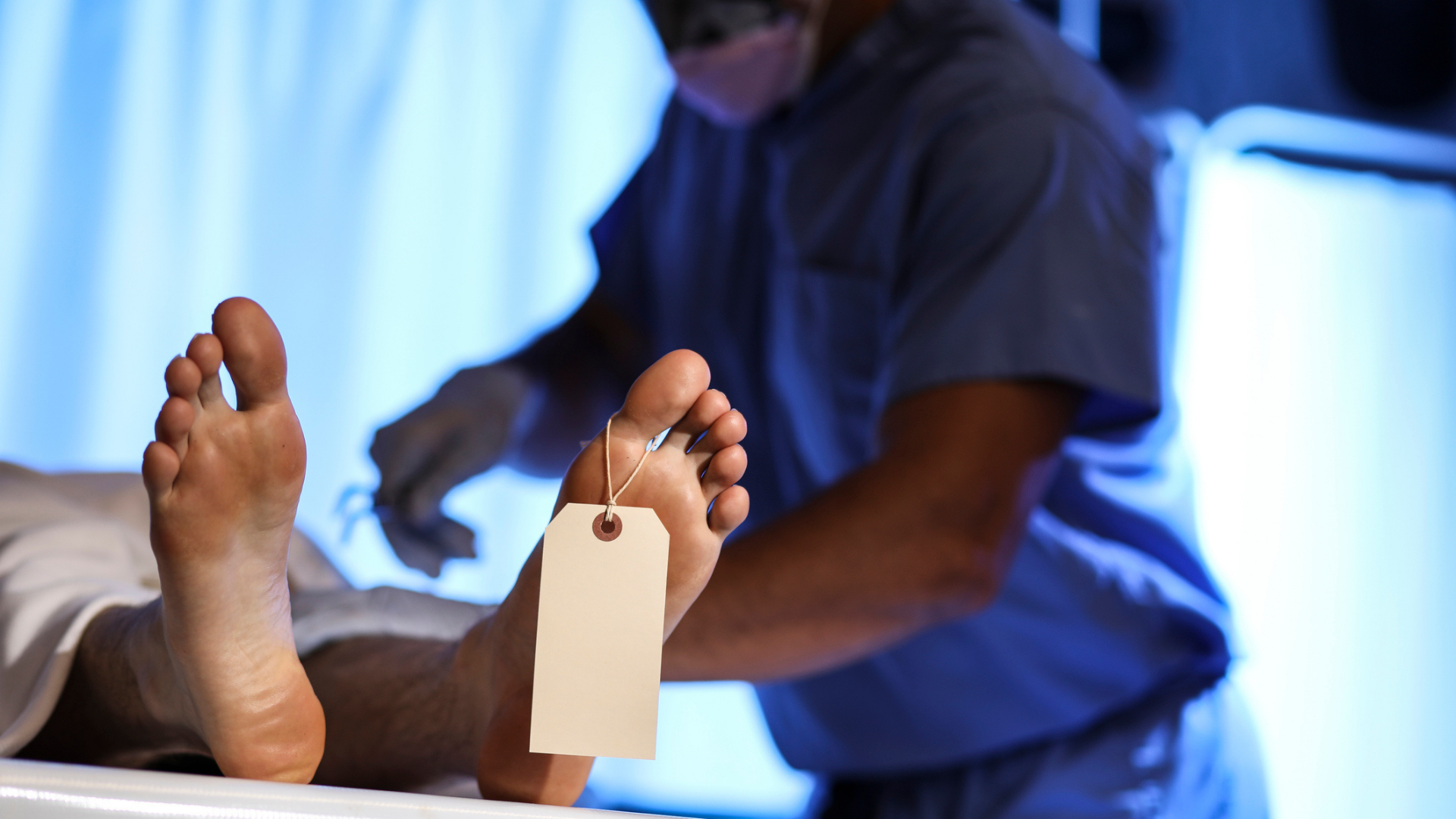
Viral Thread recently reported that fat transfers for cosmetic procedures are being harvested from cadavers, a new product called alloClae. It is especially useful if the patient does not have enough fat available in their own body.
“Many of us in New York City are very excited about this, particularly because our patients are sometimes very thin or maybe have already had liposuction,” New York cosmetic surgeon Dr. Melissa Doft explained in an Instagram video. “When it’s injected into the body, the body’s own fat cells sort of hug the cadaveric fat cells and about 75 to 100% of the cadaveric fat cells survive.”
The harvested fat is fully cleaned of genetic material and is put into a syringe. According to the New York Post, alloClae hit the US market in 2025 but has not been widely used as of yet. Dr. Sachin M. Shridharani began offing it at Luxurgery, his Manhattan clinic, as part of a small clinical trial and claims less than 5% of board-certified surgeons have it. Shridharani has been using it to correct “hip dips” so far, but approvals to use it in the face for plumping up areas such as lips is reportedly coming.
“With the ones that do have it across the country, there’s tremendous amount of demand,” Shridharani told the Post, adding that he’s done more than 50 procedures using it in the past year. “There have been multiple times that we’ve actually run out of product.”
Caro Van Hove, president of Tiger Aesthetics, the company behind AlloClae, told The Cut that it has ensured donor tissue has consent for aesthetic use, meaning donors and families know the tissue is not going to a medical necessity or scientific discovery.
“The donor material is meticulously screened in accordance with regulated and high-quality tissue practices,” Van Hove noted.
Shridharani says the “procedure” starts at $10,000 but it can cost more depending on the volume being distributed and how many areas are getting it.
So far, signs are pointing to the product being both safe and effective, but risks are still present. Possible side effects include injection site pain, bruising, and swelling and rarer issues such as lumps, oil cysts, allergic reactions, and infections.