
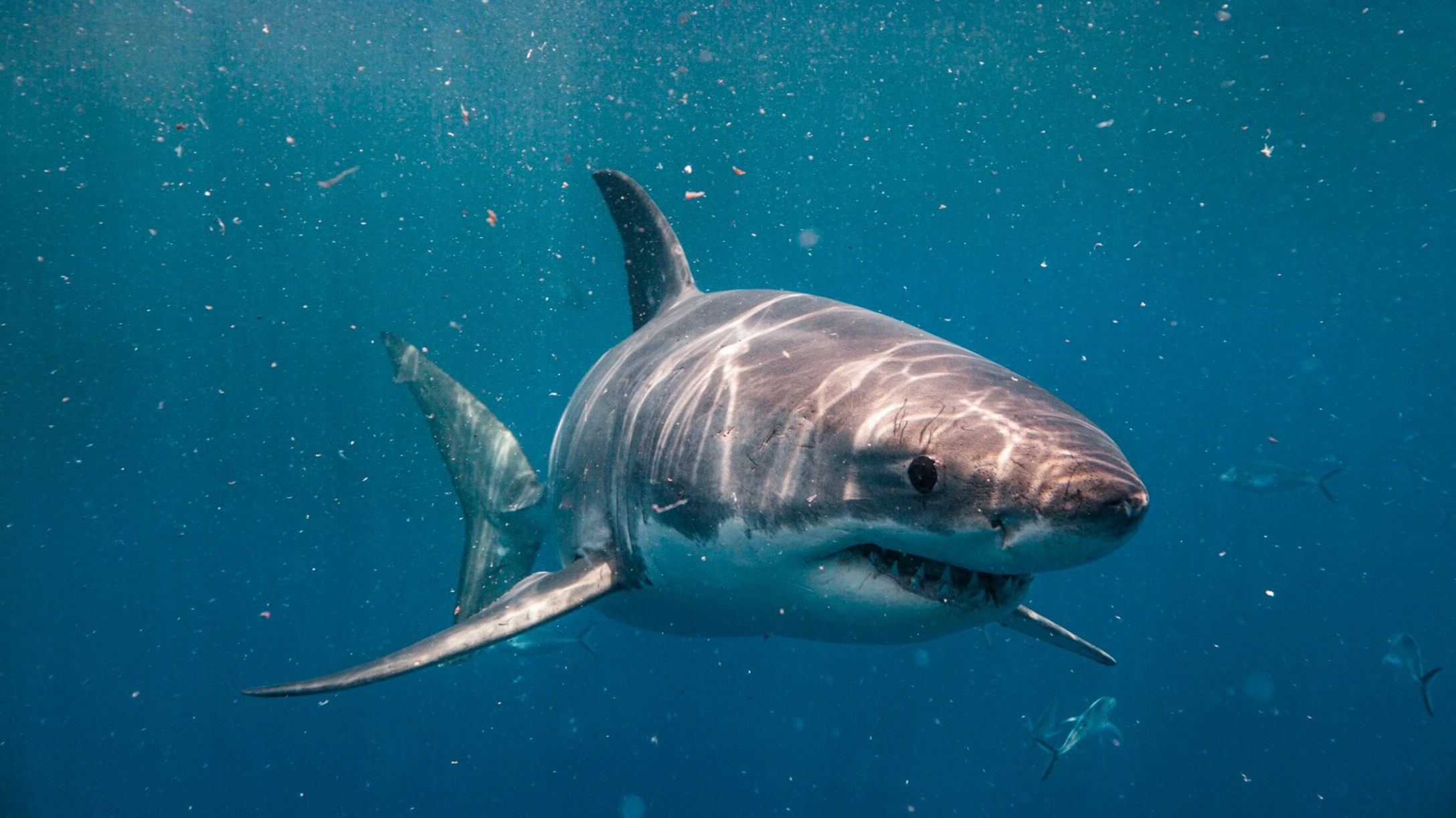
In 1975, Steven Spielberg made sharks infamous with his film Jaws. Though I didn’t come along until 13 years later, when I saw the film as a kid I avoided going past my ankles in the ocean for years. Truthfully, sharks don’t happen all that often. In 2024, there were 28 recorded unprovoked shark attacks in the United States, with one of them being fatal. Overall worldwide, an average of about 64 incidents happen annually, according to the Florida Museum. When shark attacks do happen, however, they can be catastrophic.
Just 10 years after the debut of Jaws, a mom was innocently playing with her children off the coast of Peake Bay in Australia. It was then that Shirley Ann Durdin, 33, was viciously bitten in half by a single, powerful chomp from a great white shark. All that remained was her headless torso.
The shark, estimated to be 20 feet long, consumed the rest of her body as her children and husband watched in horror from the shore. The Mirror US reported that her husband Barry had to be restrained from jumping into the water after her. The incident caused quite an uproar, as it was a rare case of a shark actually consuming a human. Locals called for a culling of sharks until experts warned that doing so could really damage the ecosystem.
Just 11 years prior to the tragic incident, in 1974, a great white shark killed Terry Manual, 26. He was reportedly a diver collecting sea snails off Cape Catastrophe in South Australia. As he was rising to the surface, a 15-foot great white shark propelled him forward, causing him to break the surface of the water, according to The Mirror US.
He was able to scream out a warning of “Shark!” as the water around him filled with blood. His companion John, attempted to rescue him, trying to pry him out of the shark’s jaws, but it was too late. The shark bit off his leg, and Manual eventually died from his injuries.
I cannot imagine the horror of witnessing either of those events in real time. If you want to reduce the odds of a shark attack while enjoying the open water, consider these tips from the
Florida Fish and Wildlife Conservation Commission:
- Swim in groups rather than lingering solo; sharks tend to avoid prey that travel in packs.
- Do not enter the water with a bleeding wound.
- Avoid swimming at dawn, dusk, or nighttime as this is typically feeding time for sharks.
- Don’t wear shiny jewelry that catches the sunlight; it can catch the eye of a shark.
- Avoid erratic swimming and drawing attention to yourself.
- Keep out of murky water, especially where fish sewage and waste exists.
Staying safe should be your top priority when enjoying water, so be sure if you do see a shark that you quickly exit the water and alert beach officials.