
Most of us don't think too much about heading to the little boy's or girl's room to relieve ourselves, but there have been plenty of folks throughout history who took a closer look at their urine and wondered if there was something more to the liquid.
I've heard rumors about "urine therapy" and other so-called benefits of hanging onto the liquid our bladder expels on a daily basis, but I had no idea just how many studies and theories have been explored throughout history. Whether they believed in the remarkable curative properties of ingesting it or using it around the home to keep things tidy, it's not all as crazy as it might sound.
Take a look below to see just a few of the ways folks have claimed to live better lives by stocking up on the yellow stuff (some of which people still do today), and let us know if we missed any theories you've heard.
And don't forget to SHARE with your friends!
[H/T: The Smithsonian]
Thumbnail Sources: Wikimedia Commons, Flickr 1, 2
1. Soften Leather
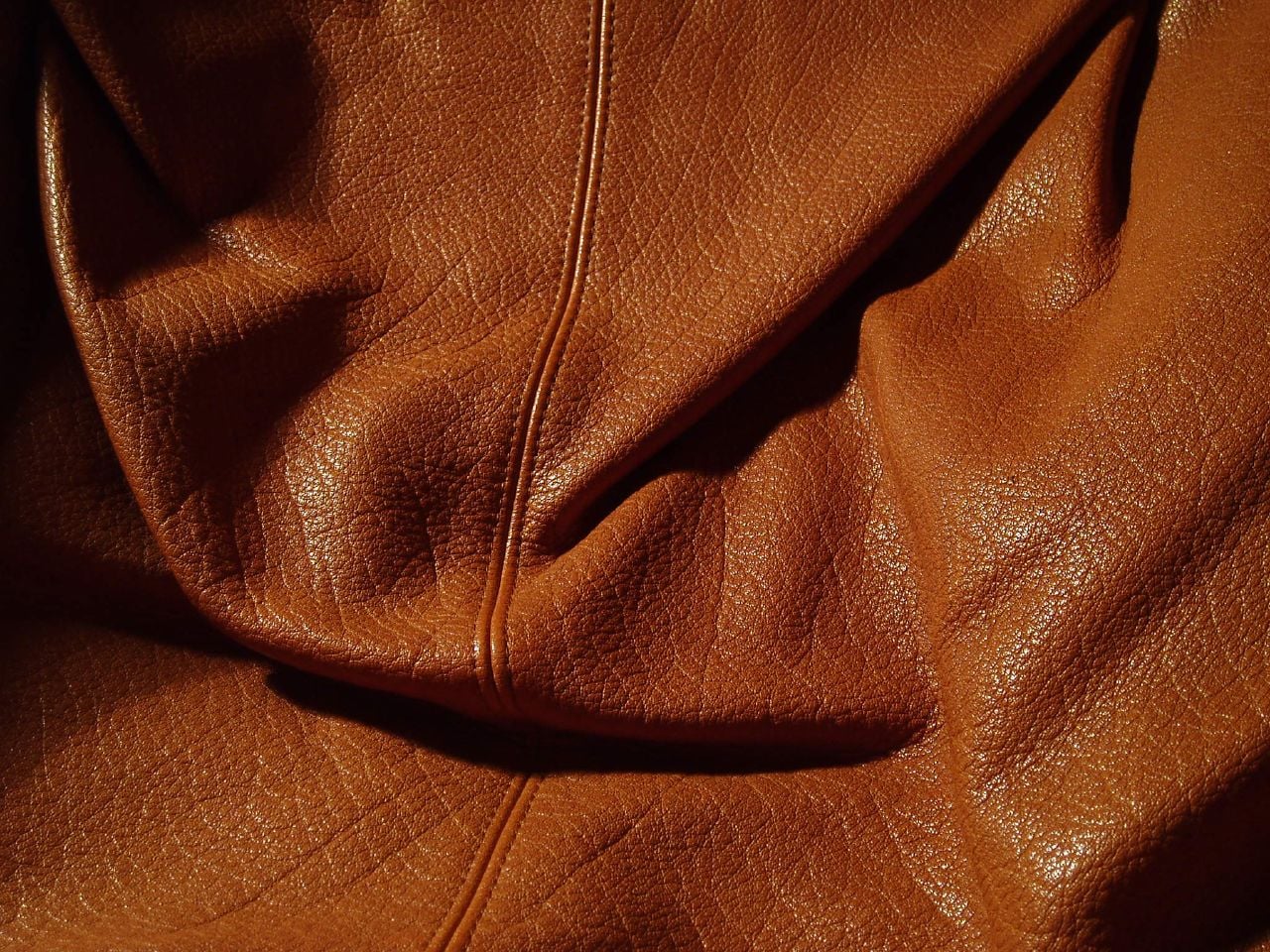
Before modern factories started using chemicals to treat animal hides for clothing and furniture, folks relied on the nitrogen and ammonia found in their urine to break down the tough exterior.
2. Make Gunpower
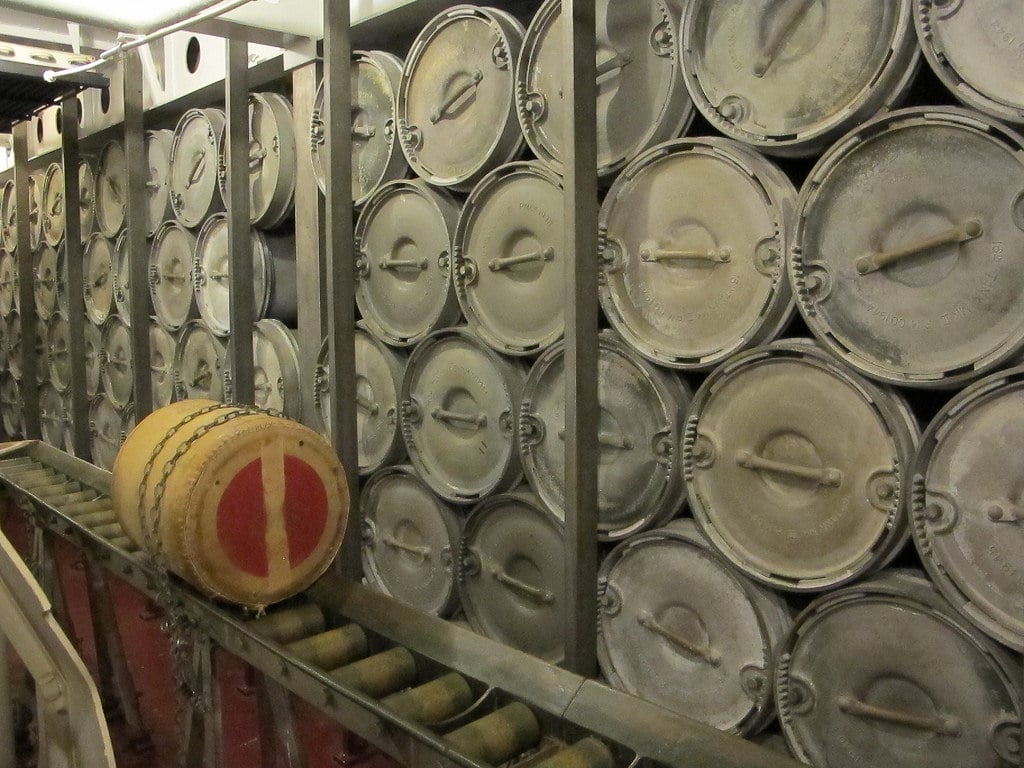
When saltpeter was hard to find in the 1800s, resourceful gunmen could create a ballistic powder by cultivating the nitrogen in their urine along with charcoal and sulfate.
3. Whiten Teeth

Ancient Roman poet Catullus references "snow-white teeth" as the result of the subject brushing his teeth and gums with urine every morning, and comically claims the bright smile is proof someone is "full of piss."
4. Wash Up
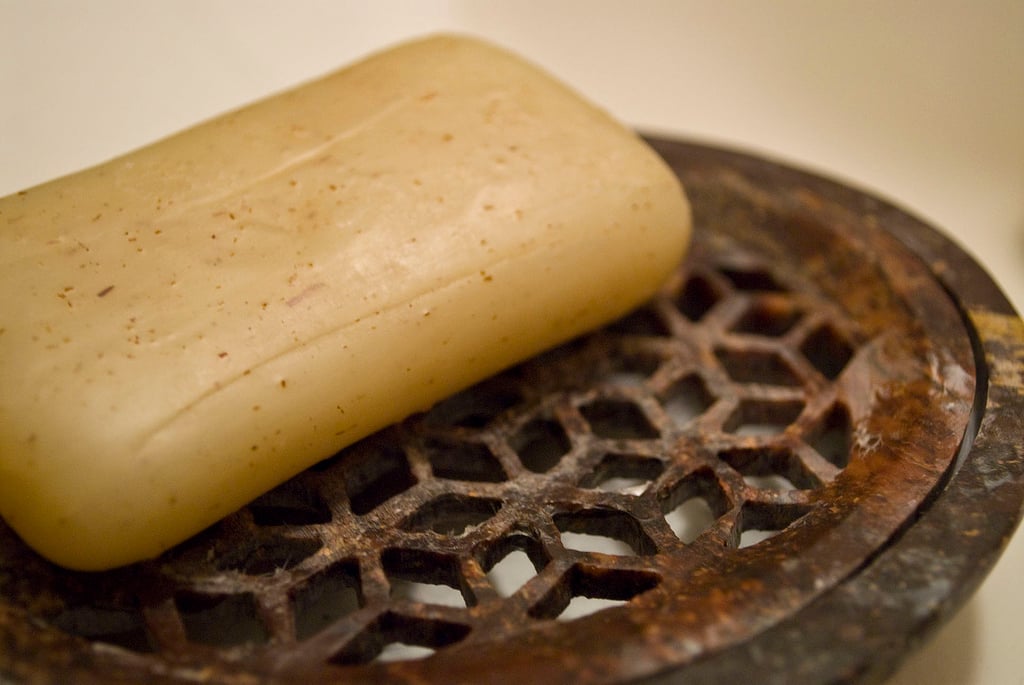
Back it the late 1500s, when chamber pots were still being used at night, "chamber lye" was created from the gathered urine and watered down to use in laundry, again relying on the ammonia properties to lift the acidic dirt and grease stains. It was also used for scrubbing areas of the house.
5. Dye Clothes

In this case, the ammonia in urine acted as a "mordant," or a fixative that helped the colored dye cling better and longer to fabric, which was a popular method in 16th-century England.
6. Sterilize Wounds
Countless theories over centuries have claimed urine was sterile and therefore a better option than the dirty water found in puddles on battlegrounds for cleaning wartime wounds. This was practiced from Viking times to World War I, but the sterile theory has since been debunked.
7. Fertilize Fruit
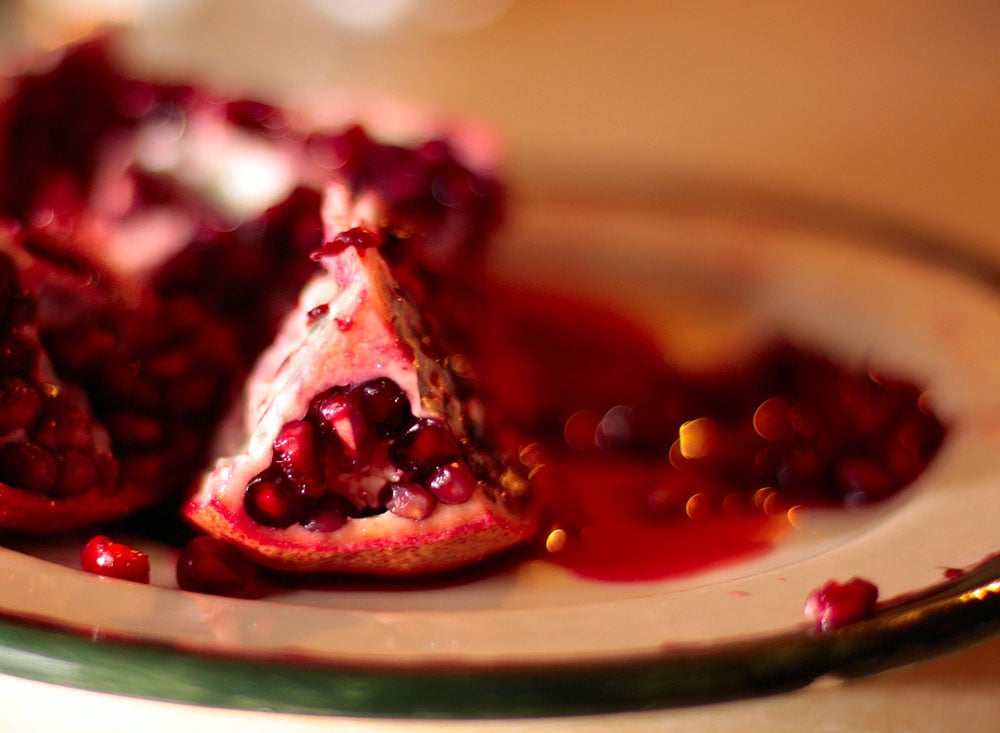
Some folks still rely on this fertilization method in their gardens today, gathering their own nitrogen and phosphorus-rich urine to pour on the plants. It's apparently especially good at making pomegranates extra juicy, according to Latin texts on agriculture from the first century AD.
8. Boost Immunity

Also known as "urine therapy," this belief is still practiced by some and is based on the fact that our expelled urine contains very little actual waste while being full of vitamins and minerals that can keep you from getting sick.
9. Cure Infertility

Many women taking infertility treatments have middle-aged nuns to thank for their successful pregnancies, after a doctor in the 1960s found that the menopausal hormones found in the nuns' urine stimulated ovulation.
10. Protect From Toxic Gas
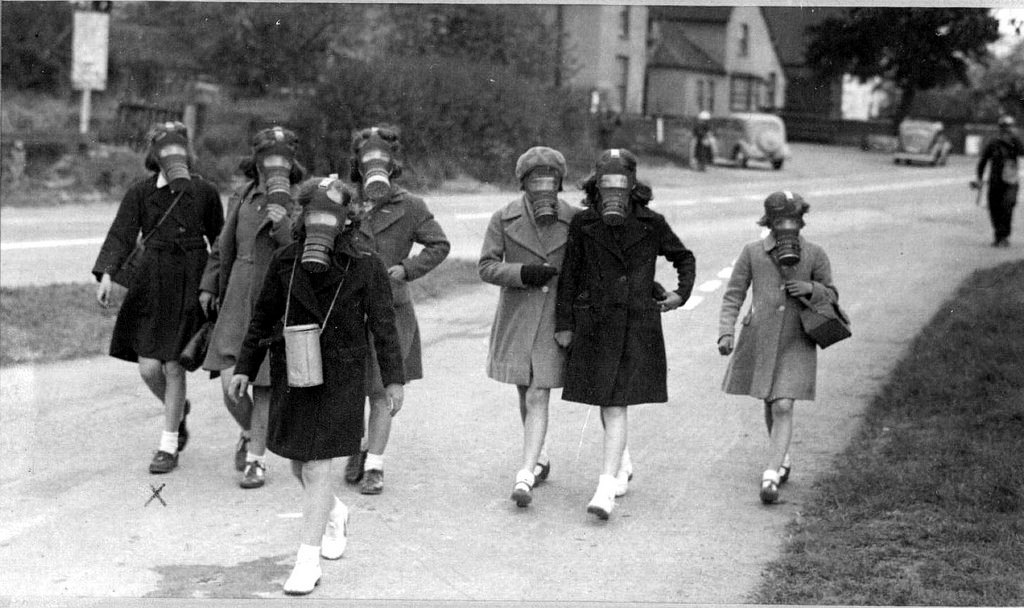
During World War I, soldiers without gas masks would attempt to protect themselves from the noxious fumes by saturating a rag in their urine and breathing through it.
11. Cure Animal Disease

Ancient Romans believed that if a sheep was having stomach issues, they should drink human urine. If they sensed any respiratory issues, they would deliver the same cure through their nose.
12. Cure Impotence

Trotula, a scientist studying in medieval Italy, combined urine, bran, and pig's intestines as a cure for both male and female impotence.
Did we miss any strange yet fascinating urine uses people have tried? Let us know below, and be sure to SHARE with your friends!