
Avocado — some say it’s a superfood, others say it’s super risky for our furry friends.
As a food for humans, avocado is super healthy due to its mono-unsaturated fat content and cancer-fighting nutrients. But the safety of avocado for dogs has been one of the most hotly contested issues among animal lovers in recent years. My own dog is older now; she just turned 11. Over the years, I’ve given her avocado on occasion, so I was surprised to hear recent reports questioning whether the fruit is safe for dogs. Adding to my confusion is the fact that several reputable brands of dog food actually contain avocado — and they aren’t shy about admitting it!
So can dogs eat avocados? I found the latest research on both sides of the argument, since it's definitely a confusing topic. Read the facts down below so you can make the most informed decision for your BFF — best furry friend, of course!
Is Avocado Good For Dogs?
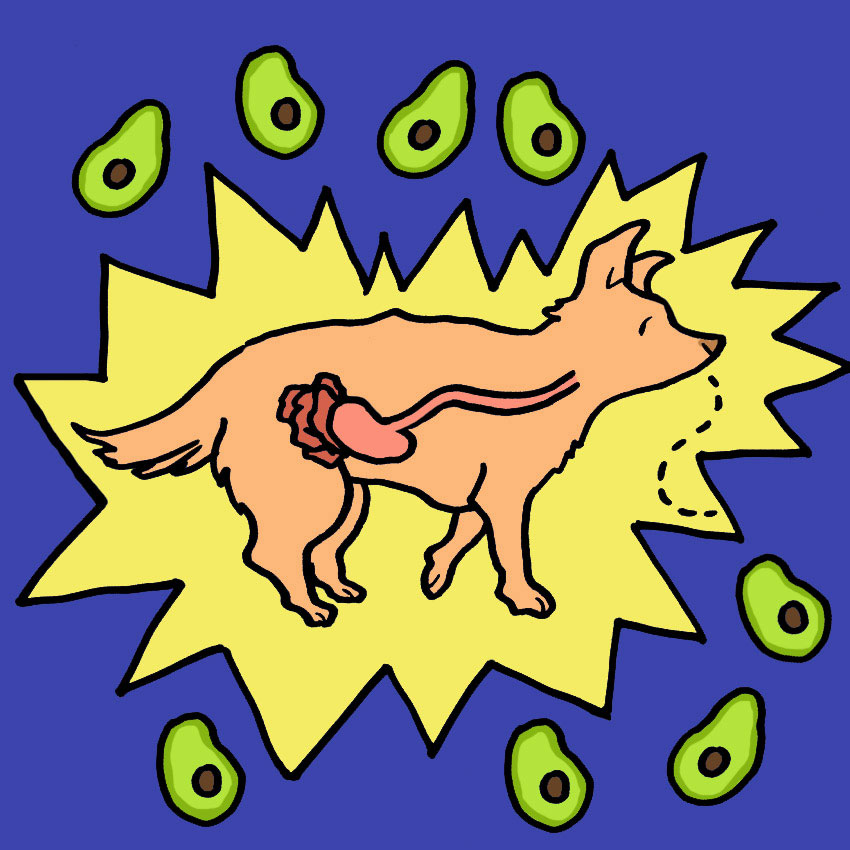
As I mentioned, there are a few reputable dog food brands, like AvoDerm, that promote the idea that avocado brings healthy skin, a shiny coat, allergy reduction, and better digestion.
The AvoDerm brand lists avocado as one of the top 10 ingredients in many of their dog food formulations, which surely makes owners wonder if it's good for dogs. AvoDerm does their part to give dog owners some peace of mind, stating the following on their website: “Concern has been expressed by the ASPCA about the consumption of the leaves, fruit, bark, and stems from the avocado tree… The avocado meal and oil used in the AvoDerm pet products comes from the meat of the fruit and does not contain leaves, bark, skin or pit of the fruit. The oil is extracted from ripened fruit in which the meat pulp has been separated from the skin and the pit.”
Is Avocado Toxic For Dogs?

The substance in question here is called persin, which is found in all parts of an avocado. The highest concentration is found in the leaves, stem, peel, and pit, while the flesh of the fruit contains only trace amounts. Persin has been found to be toxic for some animals.
But according to Dr. Jean Dodds' Pet Health Resource Blog, "Those of you whose canine and feline companions enjoy the occasional avocado indulgence can breathe a sigh of relief: persin does not adversely affect dogs or cats."
That’s pretty compelling evidence that avocado is not toxic to dogs, but are they ever bad in certain cases? Read on to find out when they should be avoided.
When Is Avocado Bad For Dogs?
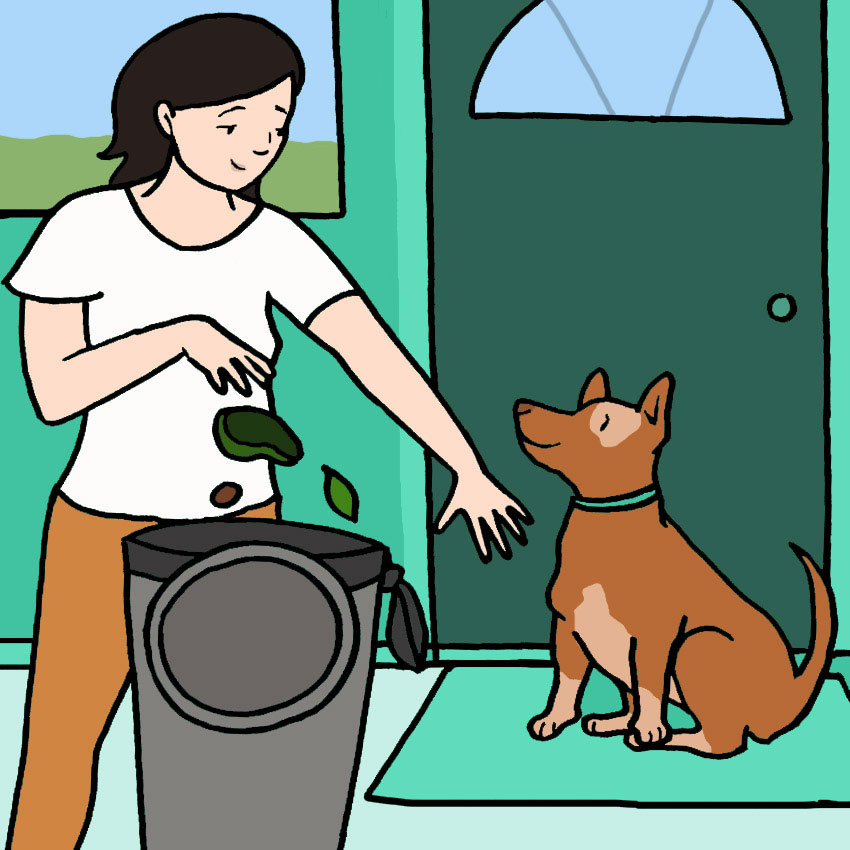
As mentioned before, there are some parts of an avocado tree that can be harmful. The stem, leaves, peel, and pit contain persin, which should be avoided if you want to ensure your pup is as healthy as possible. Let’s look at the different possible hazards of each part of the avocado below:
Stem and leaves – Not that you would feed stems and/or leaves to your dog, but the concentration of the toxic substance persin is higher in these parts of the plant, so avoid them. This is particularly pertinent to those who have avocado trees in their yard. It’s recommended that you keep your trees trimmed and regularly remove any brush or fruits that fall to the ground to prevent your dog from ingesting the less-safe parts of the tree and its fruit.
Peel – Certainly skip the peel when feeding avocado to your dog, since it can cause stomach upset and other digestive issues.
Pit – We can all agree on one thing: The pit is easily the most dangerous part of an avocado. The pit of an avocado poses a real threat to dogs, since it’s hard to chew and even harder to digest. According to Dr. Sheri L. Berger of VetVine Specialty Consulting Service, “Even if a dog crushes the pit and swallows it in pieces, this can be potentially dangerous as the pit is not easily digested and could create an obstruction — similar to any other type of foreign body that might be swallowed.”
Potential Health Issues
As with any new food for your pet, moderation is key. Studies have shown that dog foods containing avocados are safe, and it seems as though occasionally giving your furry friend a bit of the flesh of an avocado is healthy. But giving your dog too much avocado can cause the following health issues that we’re sure you don’t want to deal with.
Diarrhea And/Or Vomiting

Regardless of whether avocado is toxic to dogs, there’s a number of ways that it can cause vomiting or diarrhea, and they all depend on your individual canine.
Are dogs allergic to avocado? Well, most aren’t, but your pup may be — the best way to find out is to test your dog’s reaction to a small amount of it. If your dog does suffer an allergic reaction to avocado, his tummy troubles will likely be obvious.
We’ve learned that eating the pit of an avocado is particularly dangerous due to the risk of obstruction. If your dog has eaten the pit of an avocado and demonstrates symptoms like forceful vomiting, abdominal bloating, weakness, or lethargy, be sure to get him to the vet immediately.
Weight Gain And Obesity

Although avocado contains good fat, it’s still fat, and too much of it can cause dogs to gain weight, just like it can for humans.
Dental Issues
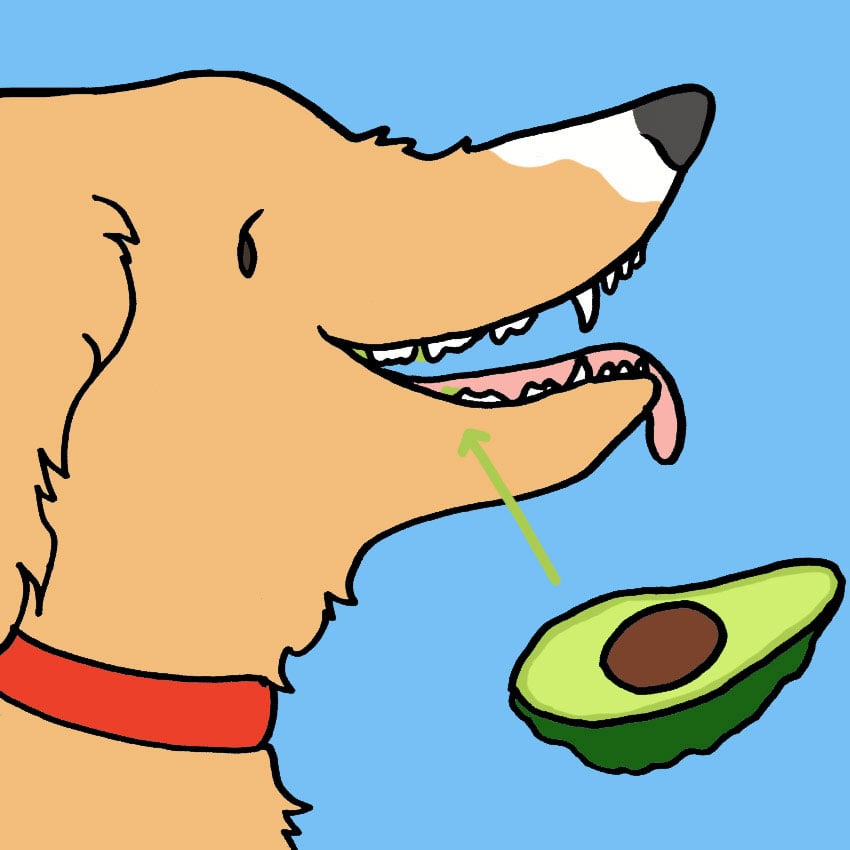
As with many human foods, giving your dog too much avocado can cause dental issues like cavities and gingivitis. The mushy consistency of avocado allows it to easily get stuck in the deep grooves of their back teeth.
If we’ve set the record straight about dogs and avocados, please be sure to SHARE this article so all dog lovers can be informed!