
Elephants have captured people's hearts for generations. Their massive size and power, coupled with their high intelligence and sensitivity, make them admirable and relatable. Additionally, their curiosity and sense of family remind us that although we might be different species, maybe we're not so different from the gray giants after all.
Sadly, not everyone sees them as living creatures with the right to exist peacefully.
There are some who see them as sources of profit, and this has led to the hunting and killing of so many over the years that their numbers in Africa and Asia are dangerously dwindling. But where there's a market for their ivory tusks, there's the looming danger of poachers.
However, China, one of the last legal markets of elephant ivory, has announced that it will shut down all of its ivory-processing factories this year. The action will close off a major market, potentially saving the lives of countless African elephants.
Movements to save elephants have been pushing for their safety for years, gaining the attention and support of celebrities like Prince Harry, while pushing for international regulations to stop the killing of these animals.
This motion by China is an enormous step in the right direction.
Peter Knight, CEO of environmentalist organization WildAid, calls this "the greatest single step that could be taken to reduce the poaching of elephants."
[H/T: The Dodo, BoredPanda, WildAid, State Council China]
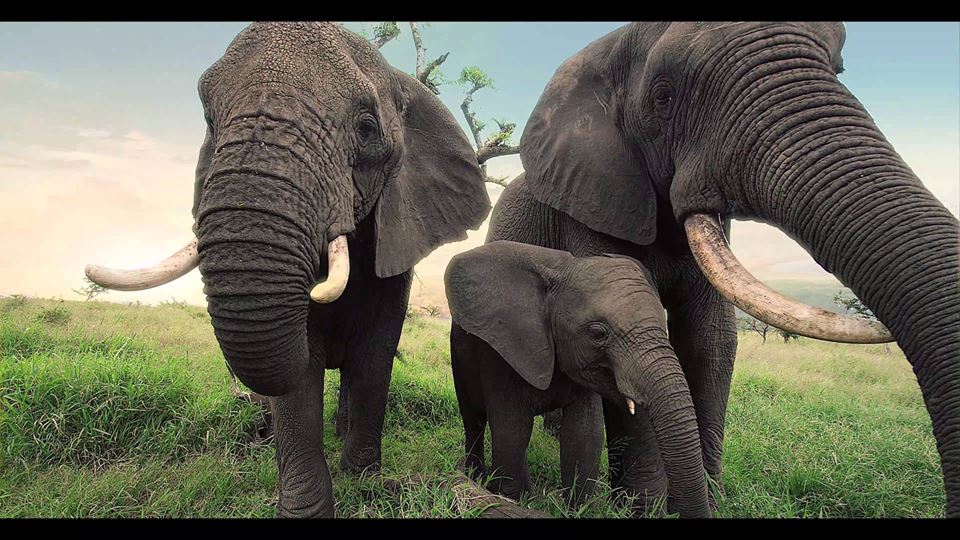
Elephants are majestic creatures, but they've long been the victim of the ivory trade. In order to harvest the ivory from their long tusks, the elephants must first be killed.
A market for ivory has driven elephants to endangerment in Africa and Asia, and many countries in Africa have internationally banned the hunting of elephants and the trading of ivory.
But no matter the laws, there was still an illegal market for ivory, along with plenty of unscrupulous people willing to buy, sell, and kill for it.
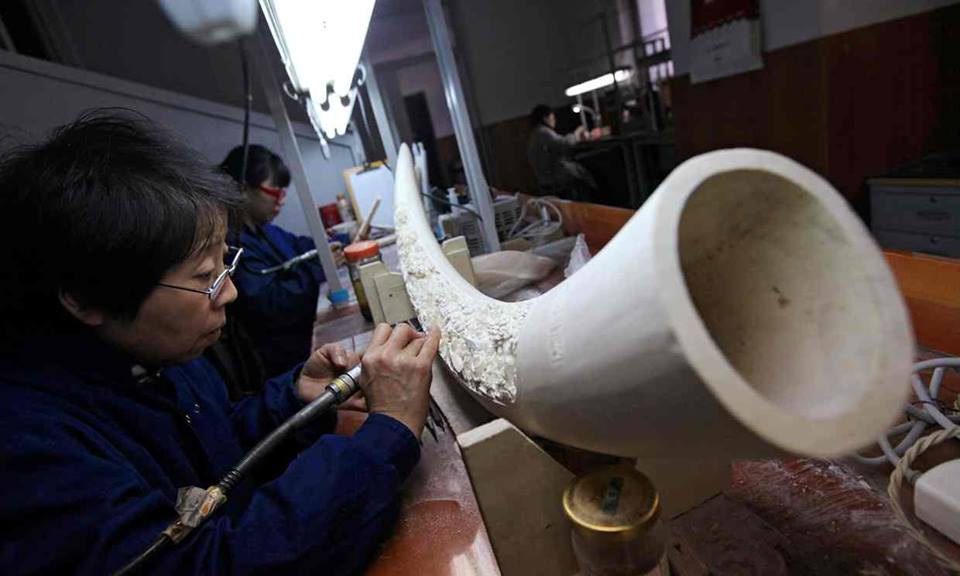
In 2007, China was allowed by the Convention on International Trade in Endagered Species of Wild Flora and Fauna (CITES) to buy stockpiles of ivory from Africa.
The hope was that the ivory would flood the market and drive down prices, making ivory less of a hot commodity and discouraging merchants and poachers.
But the plan backfired, and the ivory market became enormous.
Over the next decade, countless elephants were killed and their babies orphaned all for ivory trinkets.
It wasn't really the fault of many people in China, though: when asked, 70 percent of them didn't know that elephants had to be killed to take their ivory, according to a survey by the International Fund for Animal Welfare (IFAW).
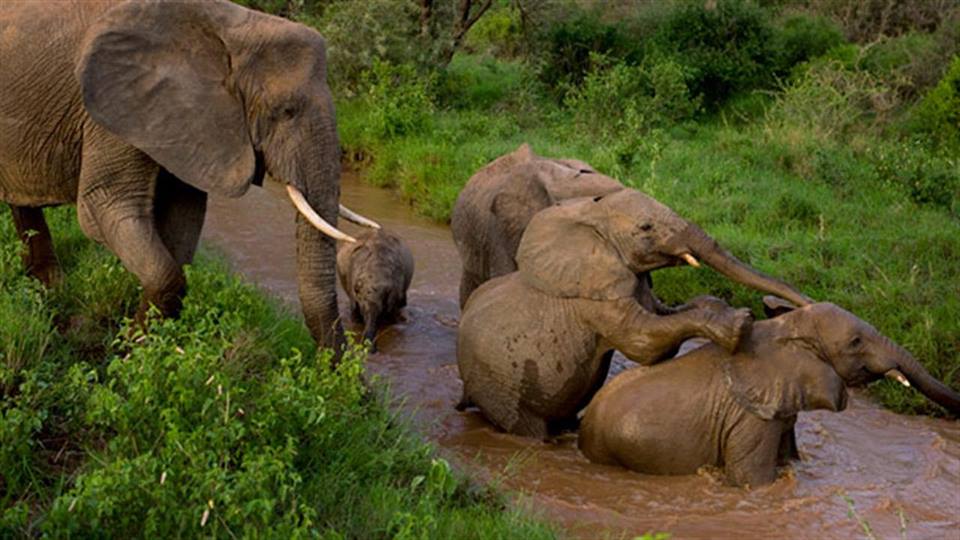
By 2016, things had gotten bad. So many baby elephants were orphaned that many of them are being raised by humans in orphanages (same thing also happens to rhinos).
Predictions were made that elephants might actually be driven to extinction in the near future.
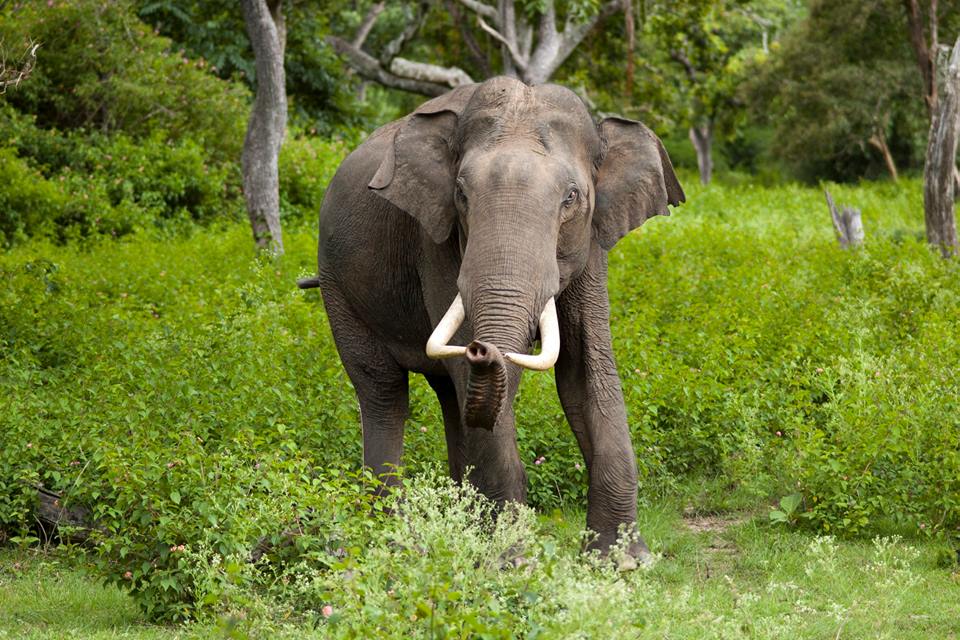
Luckily, this ban in China (which was enacted not a moment too soon) might actually be the key to saving elephants from extinction.
To further discourage people from buying ivory, IFAW also released an ad campaign showing the devastation of the ivory trade.
And it worked! People felt awful and vowed to stop buying the material. "I have other material," one ivory-carver even wrote in. "I don't have to use a material that takes a life."
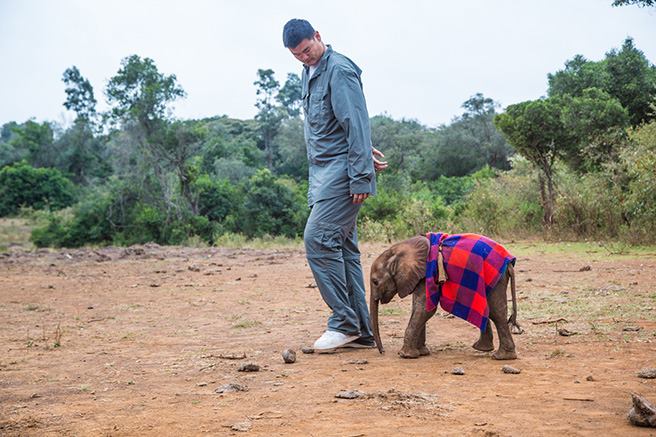
Elephants had some influential supporters, too. Former NBA star Yao Ming, seen above with a little friend, was very active in raising awareness about elephant protection, and has even hosted a few documentaries about elephants and the ivory trade.
China has been cracking down on ivory trading since 2012, but this year marks the first official outright ban.
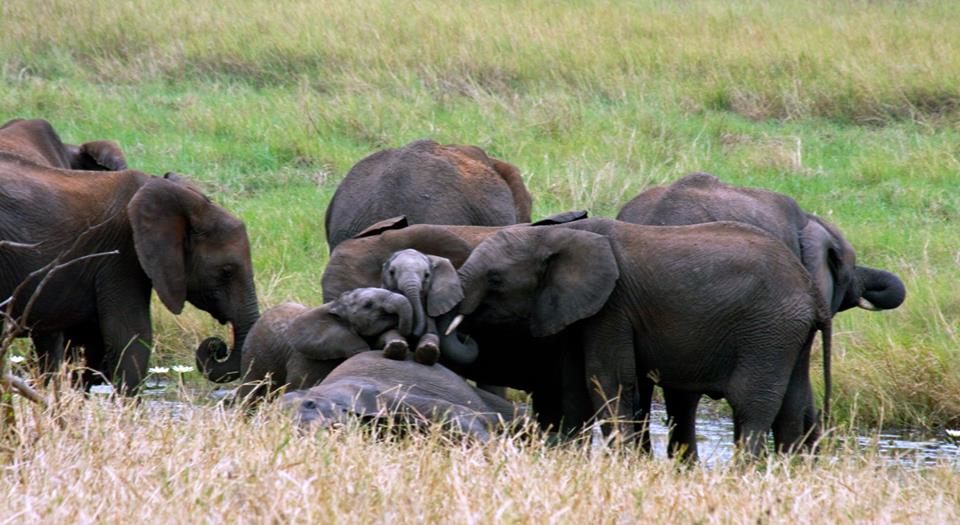
The price of ivory is continuing to plummet, and with the public being made more and more aware of what really goes into producing a piece of ivory jewelry or sculpture, elephant advocates everywhere are hoping the market for it will only continue to decrease.
The U.S. banned domestic ivory trade last year. With the top two markets in the world shut down, this is a huge step. Still, activists warn there's still plenty of work to be done. Loopholes need to be closed, and of course, illegal poaching must be stamped out.
In addition, the world is now putting pressure on countries that still allow an ivory trade, like Japan, Thailand, and Vietnam.
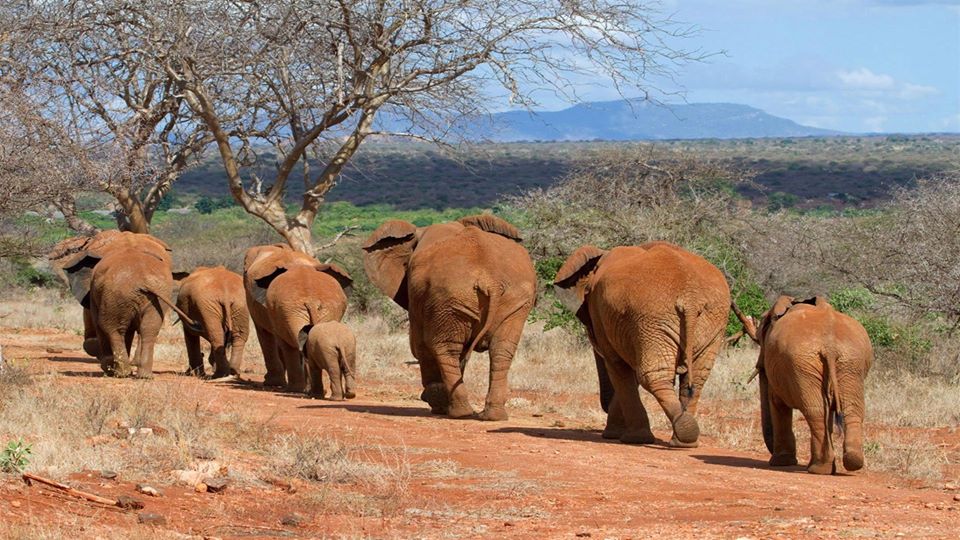
Want to help make ivory trading and elephant endangerment a thing of the past? You can!
IFAW has a donation page, as well as more information on getting involved. The World Wildlife Fund also has a program dedicated to saving elephants.
And the best way to spread awareness is to SHARE stories like this to inspire others to take action, too!