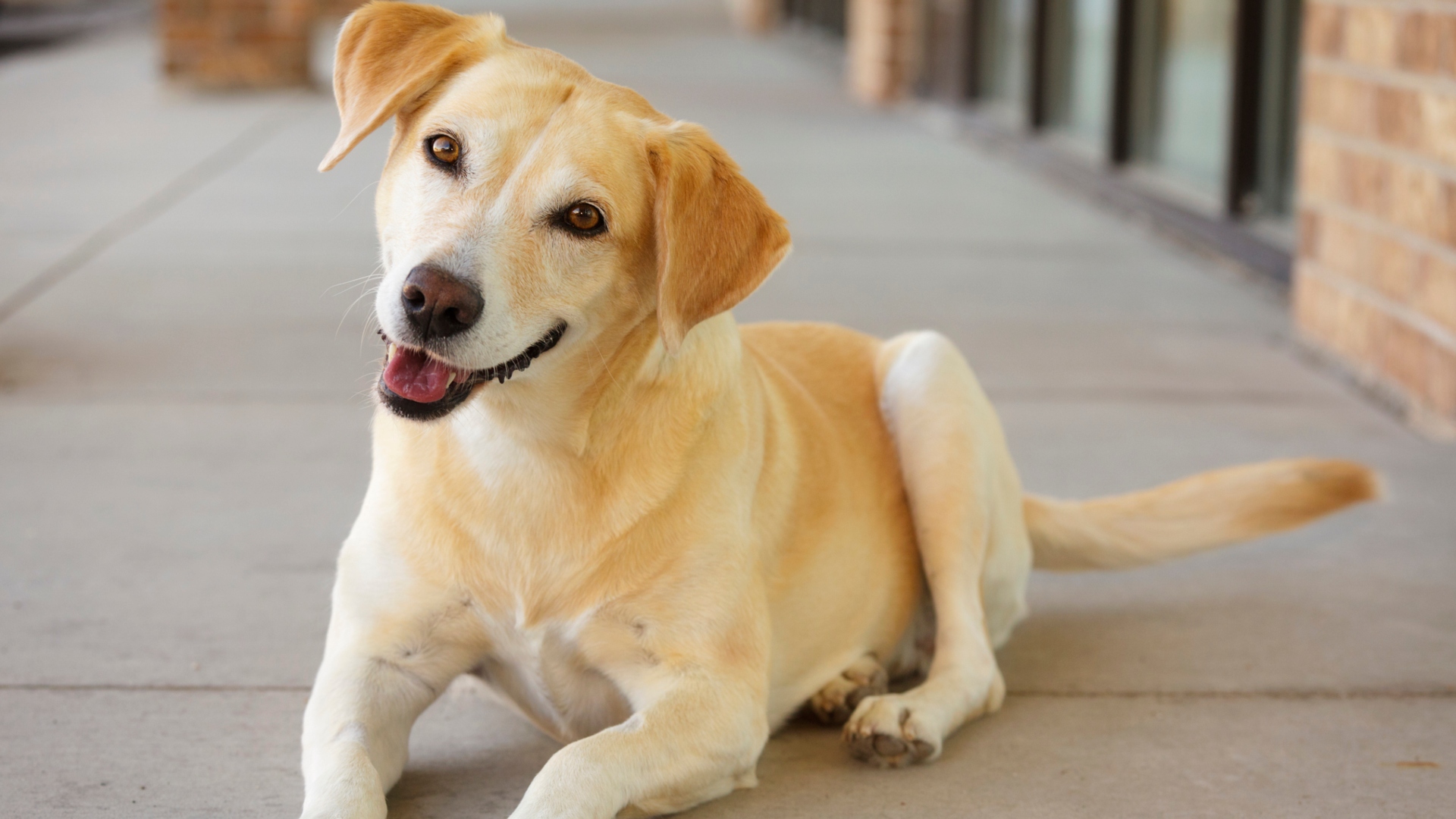

Dogs don't sweat all over their bodies the way humans do. Instead, when a canine needs to lower his or her body temperature, they pant.
When a dog loses its natural ability to regulate its body temperature, heat stroke typically occurs.
A dog's normal resting temperature is about 100.5 to 102.5 °F. According to PetMD, once a dog's temperature tips past the 106 °F mark, the dog begins to experience the effects of heat stroke. During heat stroke the dog begins to suffer permanent damage to its kidneys, liver, heart, and brain.
Although most dog lovers are aware —like these brave Kansas City police officers were — that leaving a dog in a hot car for an extended amount of time can cause heat stroke, it’s not the only way this devastating occurrence can happen.
Lots of other very innocent situations can also lead to fatal heat stroke.
So what are these situations? Can heat stroke be prevented altogether? How can you identify if your dog is having a heat stroke, and what can you do if your dog is having one?
The answers are actually very simple. We’ve broke everything down for you in this exclusive tutorial…
Never leave your pet in the car

Leaving a dog in a hot car, for even a minute, can easily cause heat stroke. This situation can occur for every kind of breed, but according to Metropolitan Veterinary Associates, brachycephalic or “short-nosed” dog breeds like bulldogs, pugs, shih tzus, and Lhasa Apsos “are especially predisposed due to breed related upper airway conformation that limits efficient heat dissipation through panting.”
Always have access to fresh water
A dog, like any other living thing, needs clean, safe water to drink to survive — especially it it’s hot outside. Do you pooch a favor and make sure to always leave them with a bowl fresh water when you leave the house, and if you and your pup are on the go, make sure to bring a bottle of water and a bowl for them to drink out of if they begin to pant.
Keep your dog cool

Not everyone has air conditioning, and if you don’t, make sure there is a fan available for your dog. Even if you enjoy sweating it out, it doesn’t mean your dog does.
Walk your dogs at specific times

According to the Sun Safety Alliance, the sun is its hottest from 10 a.m. to 4 p.m. During the summer, or If you happen to live in a hot climate, walk your dogs at dawn and dusk (before 8 a.m. and after 6 p.m.), when temperature are at their coolest, to prevent heat stroke.
Don’t over-exercise your pet

We want our dogs to be healthy and fit — plus, it’s nice to burn off all their crazy energy — but when your dog is embarking on physical like running, hiking, or swimming, it’s important to be mindful.
For instance, according to ASPCA, it’s really important to monitor your dog’s physical exertion “while you’re on a bike or inline skates. It’s easy to over-exert your dog when you’re on wheels while she’s running. To avoid this, start with short distances at first and gradually increase them as your dog’s endurance increases.” And if your dog starts to lag behind a lot, you may be pushing them too hard.
Brush them regularly

Less hair means a dog retains less heat. You may also want to try a “lion cut” for the summer, where the hair remains the same on their head but is cut shorter on their body. Yet, don’t cut it too short — that may cause sunburns.
Limit their time on asphalt

Grass on a hot day is your dog’s best friend.
Ever heard the saying “it’s so hot you can fry an egg on the sidewalk?” That’s because sidewalks and streets can get really hot. A good way to check whether or not asphalt or other surfaces are too hot for your dog is to place your hand firmly against the surface for seven seconds. If it’s uncomfortable for you, it will be uncomfortable for your dog.
Know the warning signs of heat stroke
Another good thing to learn are the warning signs for a stroke and where to look for these signals on your dog’s body. Signs of heat stroke may include:
- Heavy panting
- Dazed expression
- Seizures
- Vomiting
- Brick-red gums
- Tongue out, drooling, and whining
- Fast, pounding heart
- Laying down and not wanting to get up
- Collapsing, stumbling, or falling down
- Diarrhea
- Elevated rectal temperature
- Warm to touch
Check out the chart above to see where each of these symptoms will occur on your dog.
If your dog is suffering from heat stroke… Step 1: Cool them down.
According to Metropolitan Veterinary Center, there are four things you should do immediately once you know your dog is having a heat stroke. The first is to cool them down by hosing them with water for five minutes.
Step 2: Call your vet immediately

Don’t take the “let’s wait and see” approach. If you think your dog is heaving a heat stroke, get them to your vet as soon as possible.
Step 3: Drive them to a vet or emergency clinic
Continue the cool-down process by blasting you car’s AC and rolling the windows down.
Did you find these tips helpful? Did you learn something new? Did we forget something? Let us know in the comments below!
Please SHARE if you thought this was important information every dog owner should know!