
Mistletoe is one of those plants that no one seems to remember until the holidays, when sprigs of it start appearing in doorways, prompting kisses and laughter.
The plant, with its bright green leaves and white berries, is festive enough — but do you really know much about it? What does mistletoe look like growing in the wild? Would you be able to recognize it?
In fact, this plant is way more interesting than you might think — and it's actually got a lot more going for it than the holiday tradition of kissing.
Be forewarned, though. Some of these facts are pretty bizarre!
And it just goes to show that even the most innocuous, often-forgotten things in life often have the craziest stories behind them — but those strange facts are what make even the most everyday things all the more interesting. Even things you've grown up around are hiding fascinating secrets — like your favorite Disney films!
Read on to find out more about everyone's favorite kiss-prompting plant. But if you're preparing to pucker up under one of these, maybe don't spout these weird facts. They'll kill the mood for sure!
Please SHARE if you love learning new facts about old traditions!
Mistletoe is a holiday staple — but what do we really know about this festive sprig?

Mistletoe is an evergreen plant with white berries that can be found growing in trees in North America and Europe.
It's most popularly associated with the kissing tradition, where if two people meet under a hanging sprig of mistletoe, they must exchange a kiss.
But what's really going on with this plant?
1. It's A Parasite
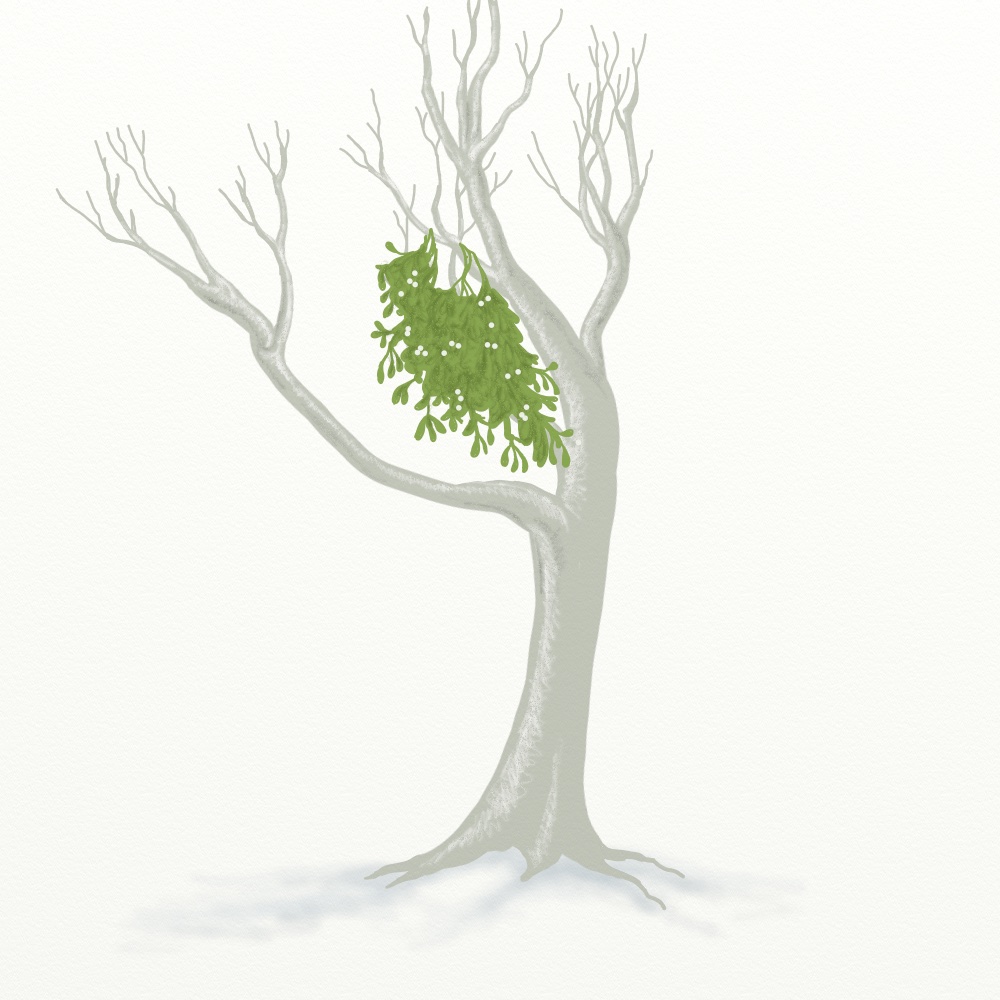
Mistletoe grows on host trees. It's got chlorophyll, so it pulls some of its own weight — but it also saps water and nutrients from the tree it grows on.
Mistletoe is known to stunt the growth of its host trees, and can even kill them if it gets too big.
2. It Doesn't Have A Scent
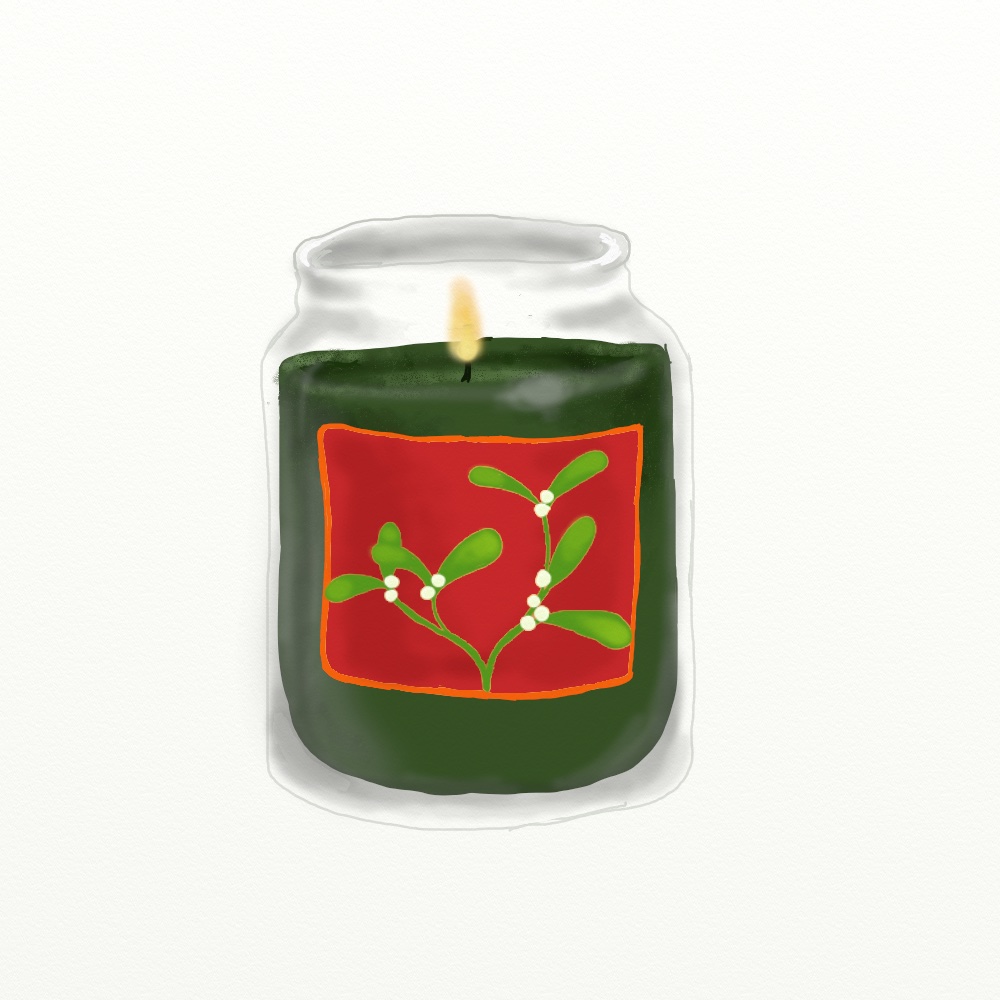
Around the holidays, candles and other items are marketed as "mistletoe" scented, but the plant has no smell to speak of. It's all a lie!
3. It Was Once Used To Trap Birds
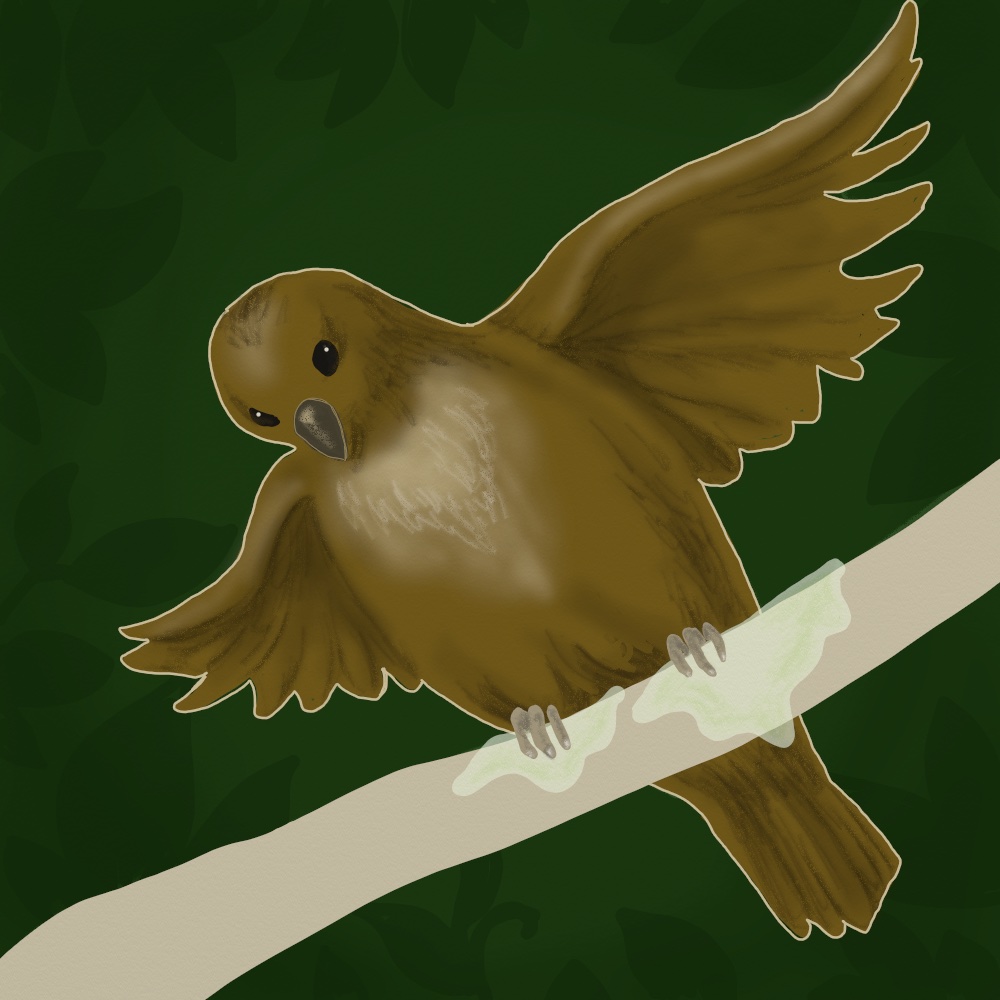
The white berries that make mistletoe so pretty have an incredibly sticky juice inside.
It's so sticky that hunters used to smear crushed mistletoe berries on branches to trap birds.
4. It's Been Used To Treat Epilepsy And Cancer
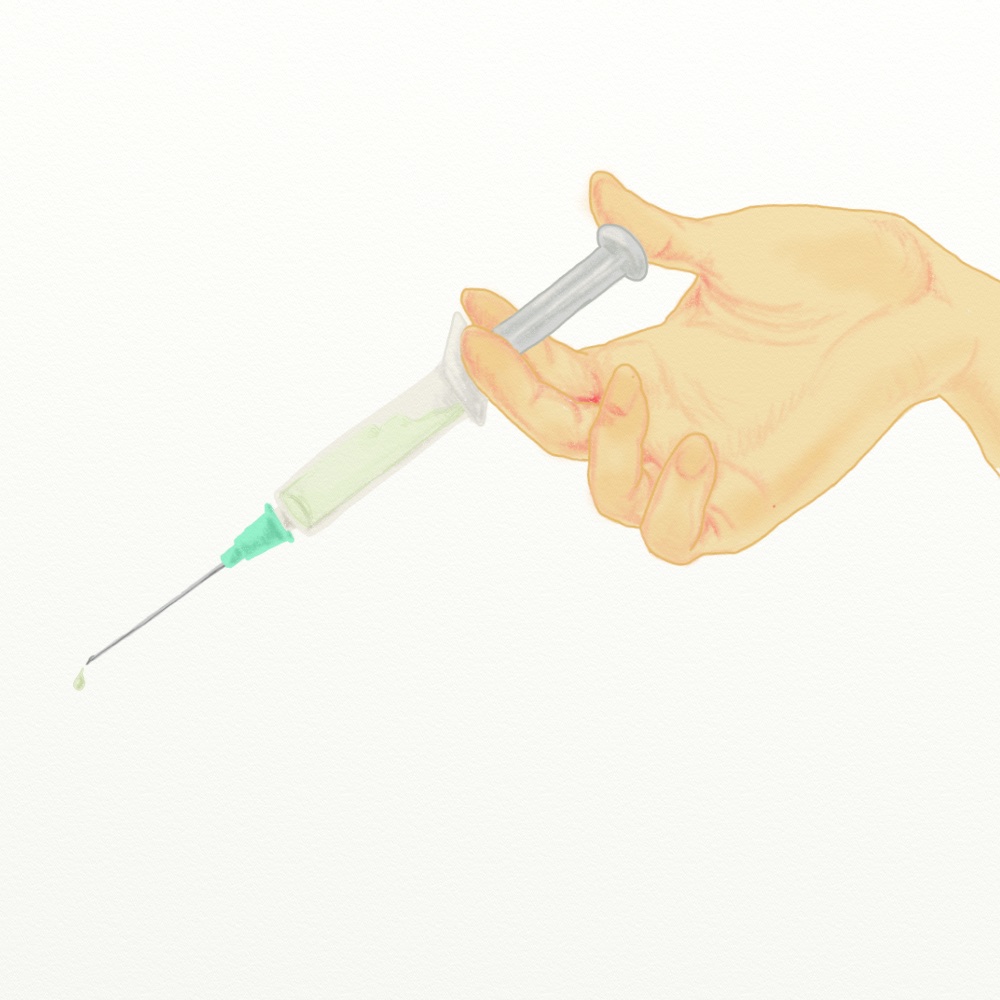
Mistletoe has been used throughout history as a treatment for epilepsy and other ailments, which earned it a reputation as a valuable healing herb in ancient times.
Today, studies have shown that some of its chemical compounds are effective in treating cancer, and it's used commonly as a complementary treatment, especially in Europe.
It's also shown to decrease side effects of cancer treatments like chemotherapy and radiation.
5. It's Traditionally Gathered With A Shotgun
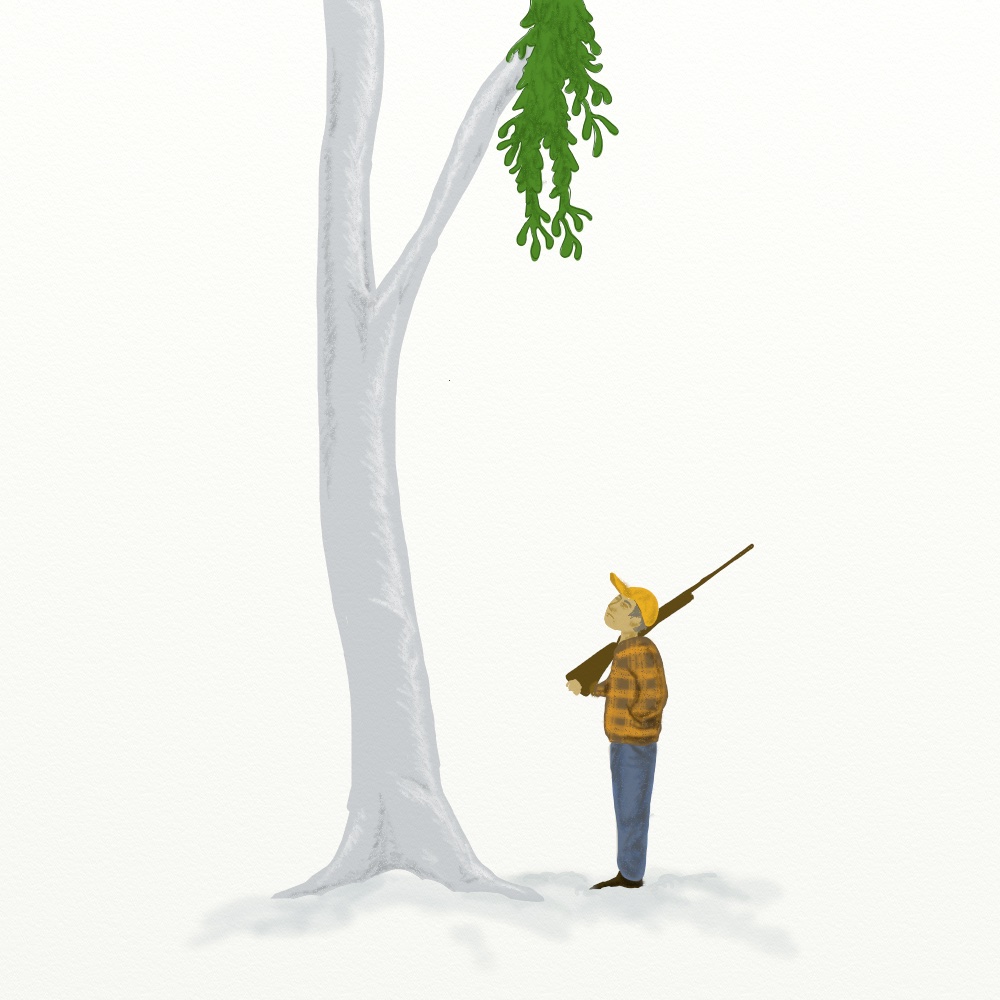
Most likely, it's because this was the easiest way to get mistletoe out of high branches.
But if you're going to revive this tradition, please make sure no one is kissing under it first!
6. It Was Used To Keep Away Witches
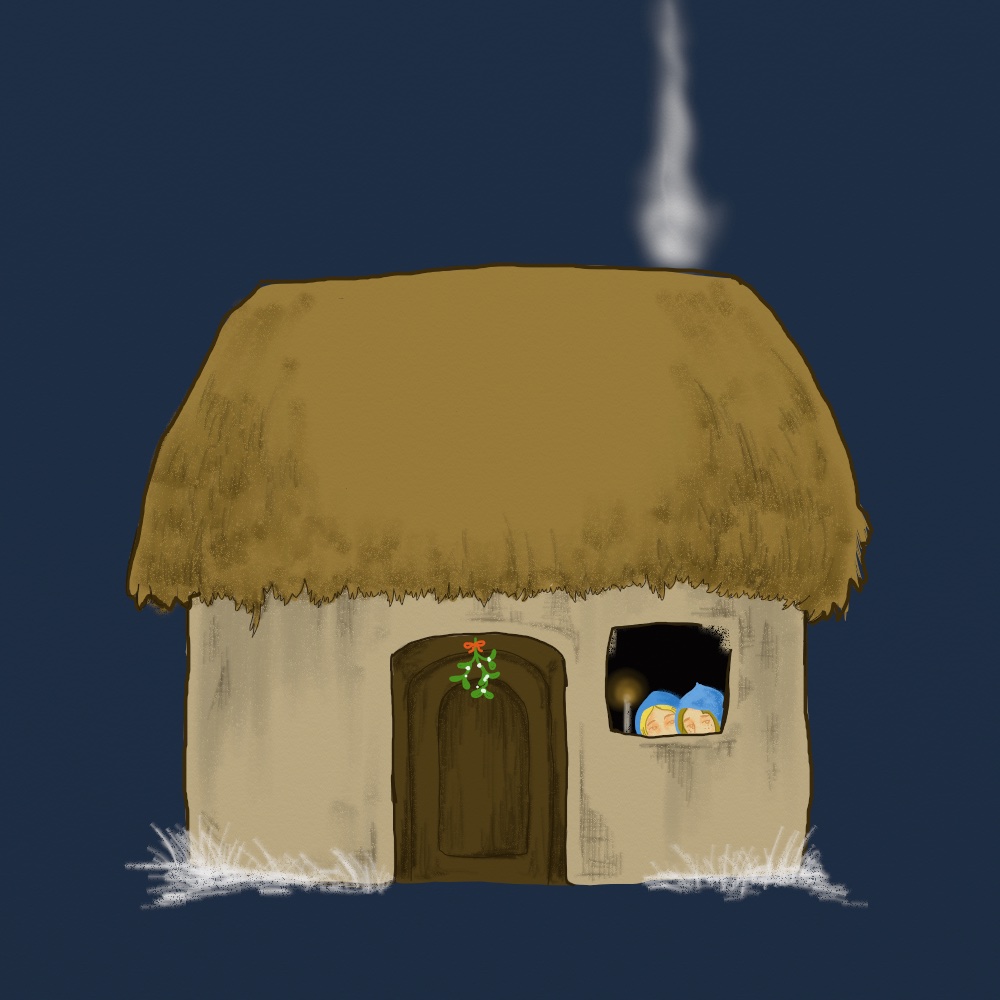
During the Middle Ages in Europe, people tacked sprigs of mistletoe over the doors to their homes and barns.
But it wasn't for kissing — it was to ward off witches and other evil spirits who might come to do harm.
7. There Was A Gathering Ritual For It In Ancient Times
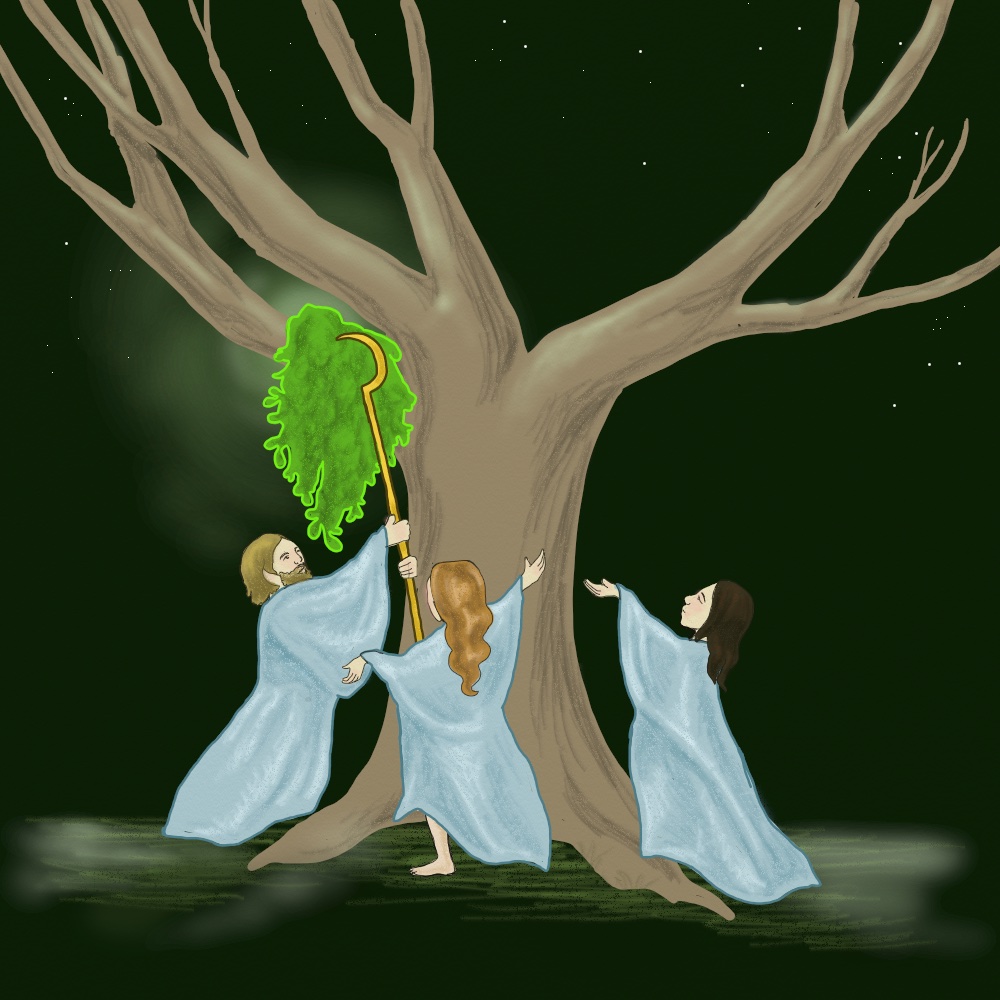
Before the invention of shotguns, druids in the British Isles had a whole ritual for gathering this plant, which they held sacred.
It was gathered from oak trees on a certain day with a golden sickle, and then two white bulls would be sacrificed. It was known as the "ritual of oak and mistletoe."
Today, druids still harvest it with a golden sickle, but they've forgone the bull sacrifice, much to the relief of the bovine population.
8. It Once Killed A God
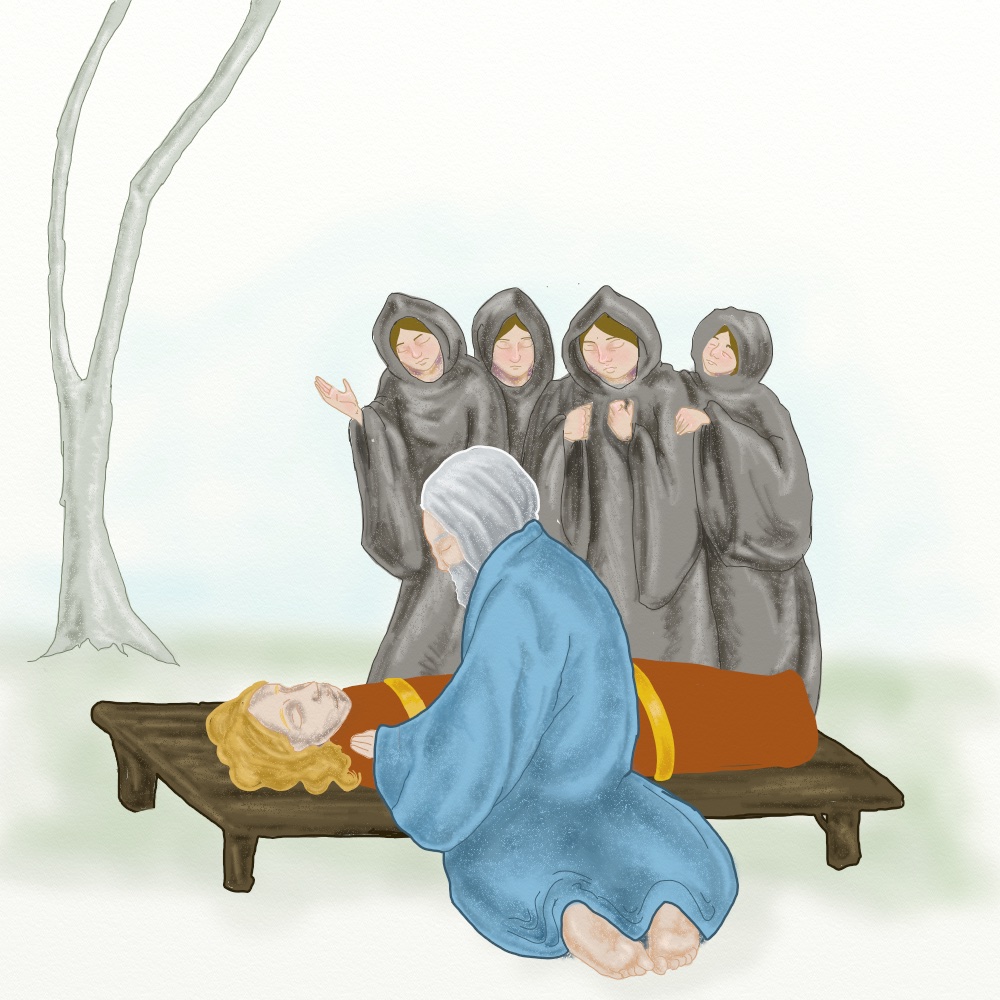
In Norse lore, mistletoe was the only substance capable of killing Baldr, the god of love, peace, and forgiveness.
He was slain by an arrow made from mistletoe, and his death was seen as a symbol of the coming of the end of the world.
So now that you know these mistletoe facts, do you still feel like kissing?
Well, don't let them get you down. Traditions are always changing, and that's what makes history so fascinating!
SHARE these strange botanical facts and spread some weirder holiday cheer!