Horseshoes, barbecues, gardening, water balloon fights: there are limitless outdoor activities to enjoy during the warm summer months.
But it seems humans aren't the only ones who enjoy fun in the summertime sun. As the temperatures climb and skin becomes more and more exposed, certain flying predators begin to make their presence very known.
Mosquitoes — called "flying teeth" where I'm from — are a common nuisance during the warm summer months. But aside from stinky bug sprays and noisy bug zappers, there are few remedies for these nasty bugs.
That is, however, until this amazing tutorial hit the internet! Thanks to one clever crafter, backyard mosquitoes will bother you and your family no longer — and all thanks to an empty plastic bottle and some old water!
It's called an "ovitrap," and it acts as an artificial breeding site for mosquitoes. Adults mosquitoes are drawn to the trap and lay their eggs within — but when the larvae hatch and grow, they can't escape the bottle!
Does your house badly need something like this? Let us know below — and please SHARE if you're sick and tired of itchy mosquito bites!
Step 1: To get rid of mosquitoes forever, start by collecting your old plastic bottles.
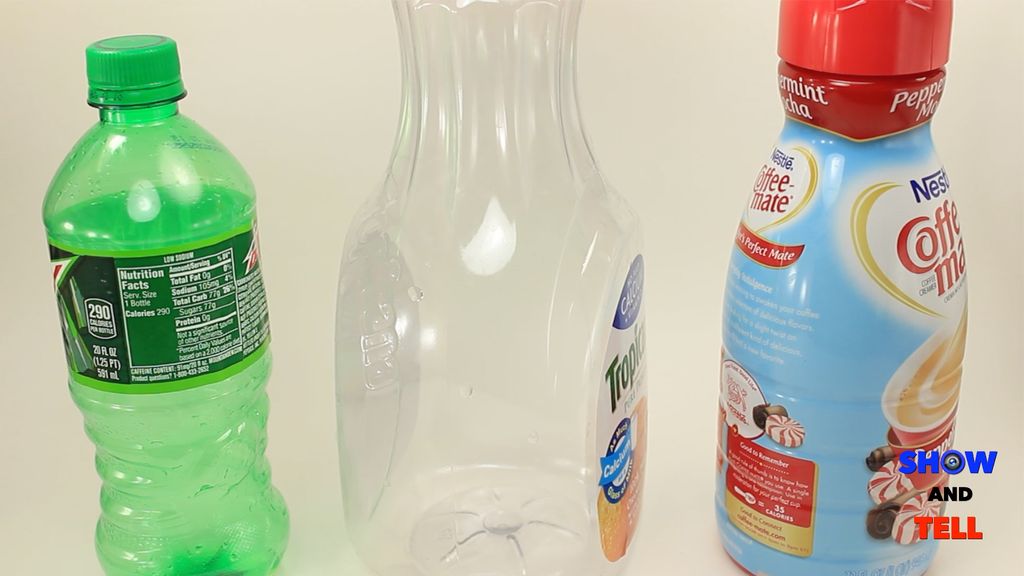
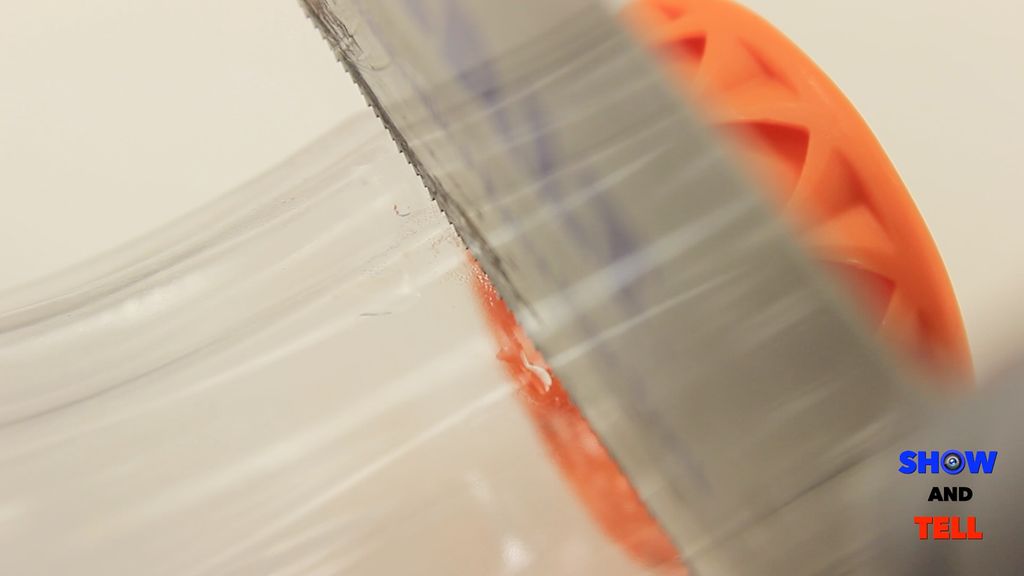
Step 2: Cut the top off of your bottle and trim down the rough edges.
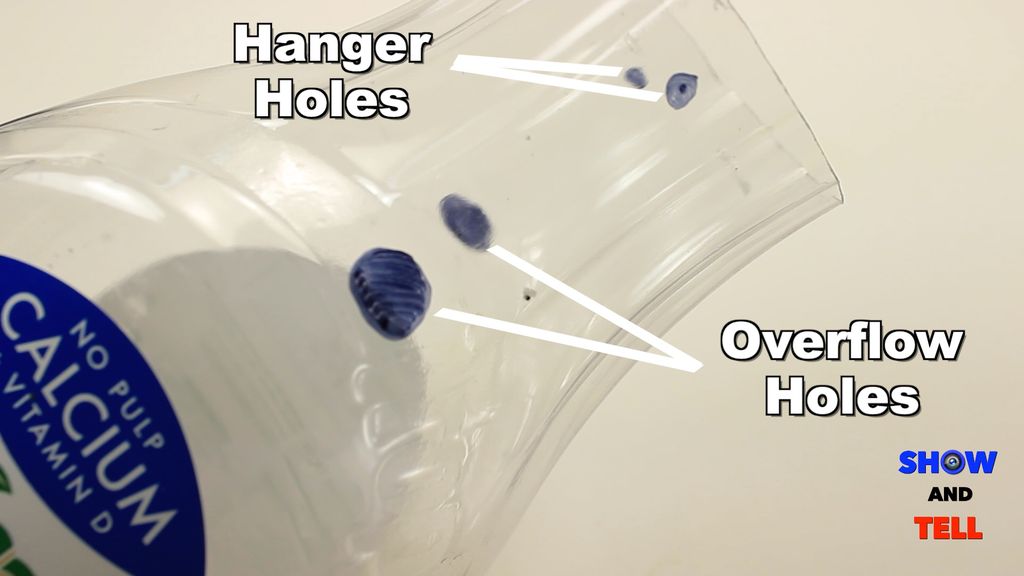
Step 3: Drill four holes — two small ones at the top of the neck and two larger ones below.
Step 4: Once your holes are drilled, spray paint your bottle black. You'll want it completely dark.
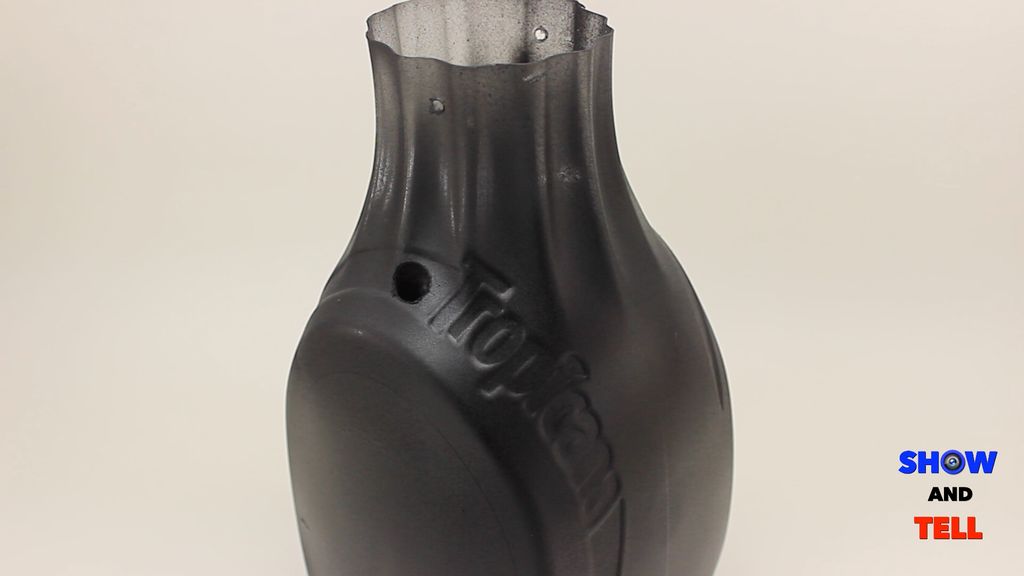
Step 5: Once the paint has dried, thread some wire through the small holes.
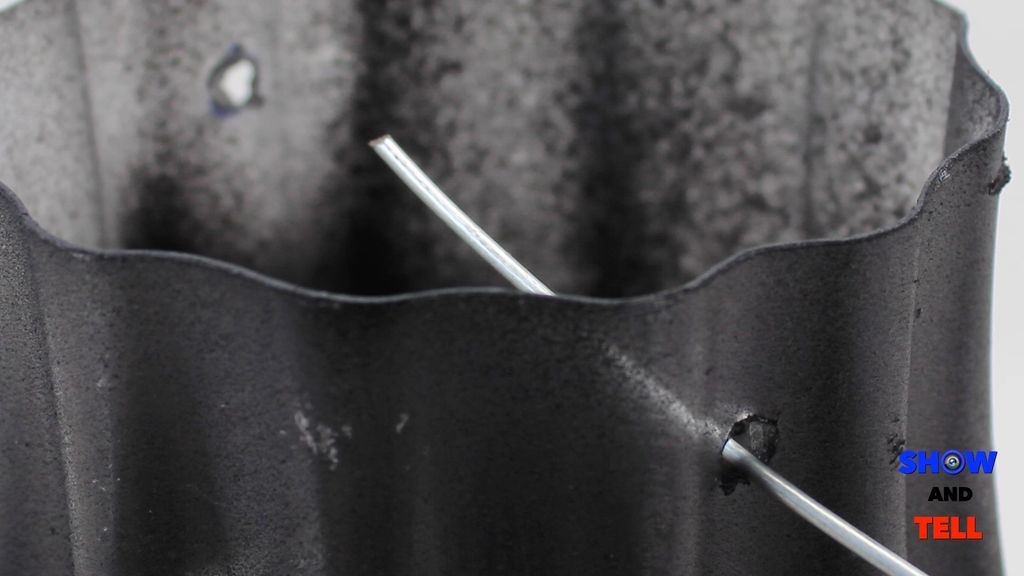
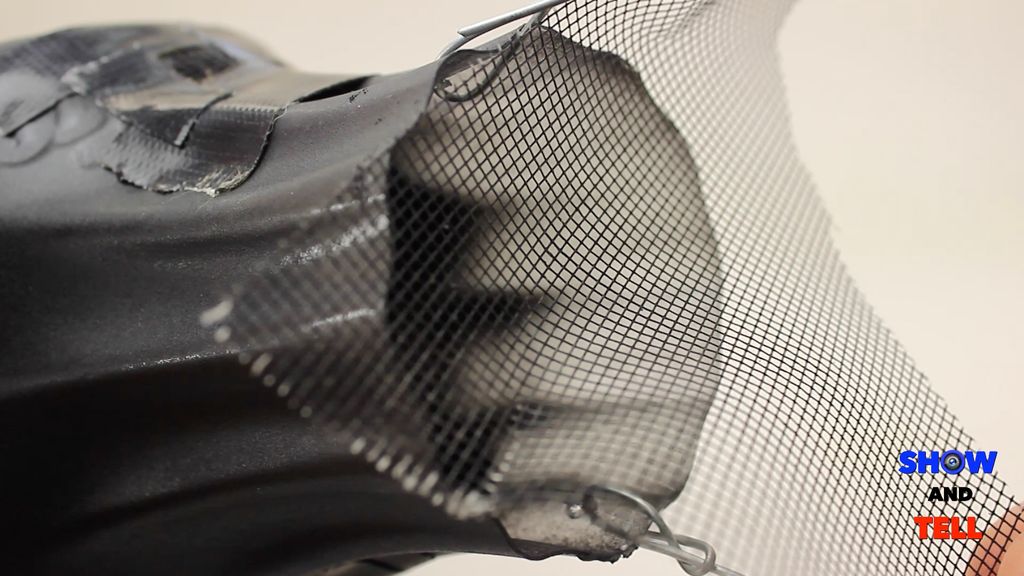
Step 6: Grab some old window screens. Cut them down to be a little larger than your large holes.
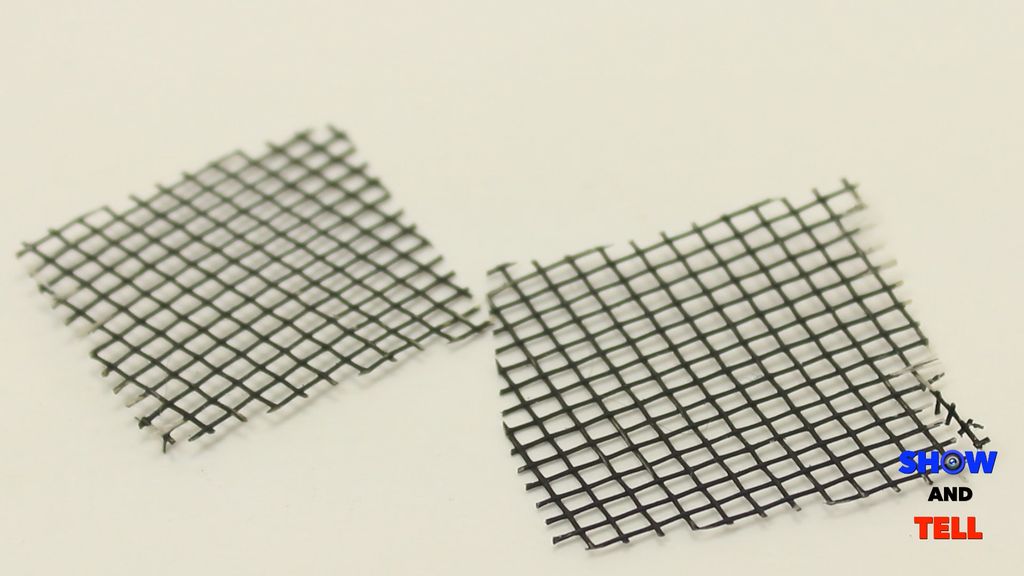
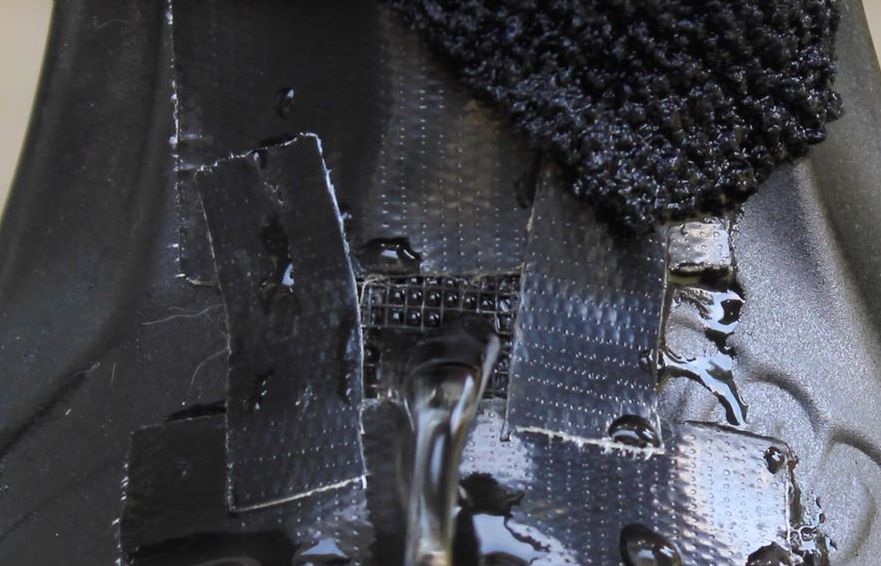
Step 7: Glue and tape the screens to the large holes. Use black tape to blend with the bottle.
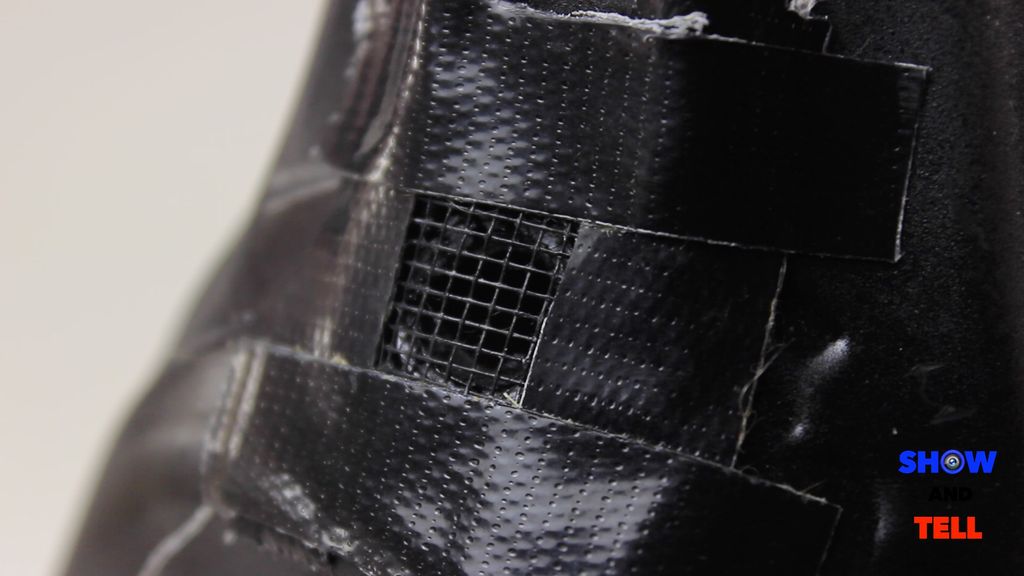
Step 8: Add screen to the top of the bottle. Push it inside the mouth of the bottle, then super glue it into place.
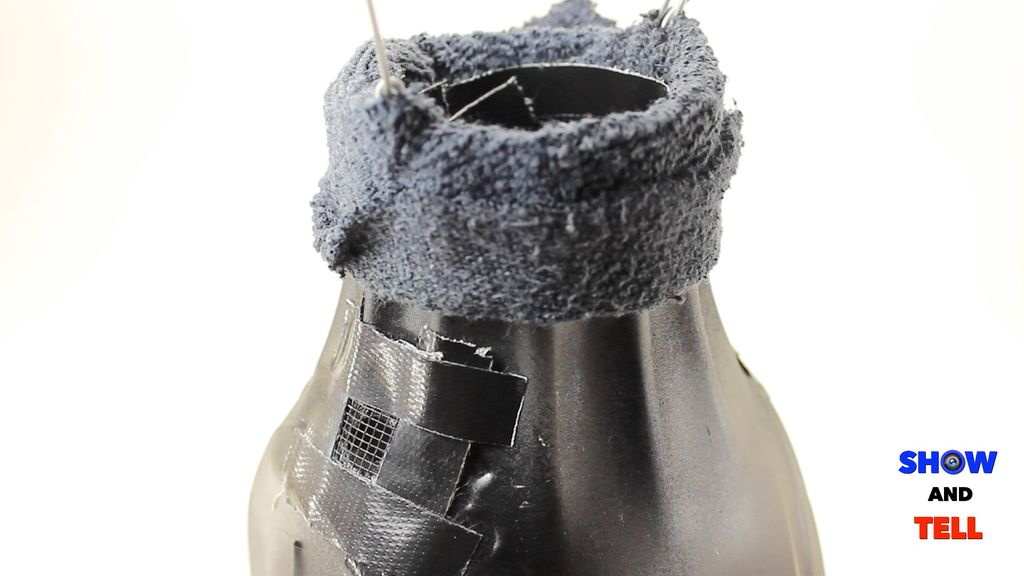
Step 9: Find an old, black, fuzzy sock and cut it up. Wet it, then wrap it around the bottle's rim. Tape it in place.
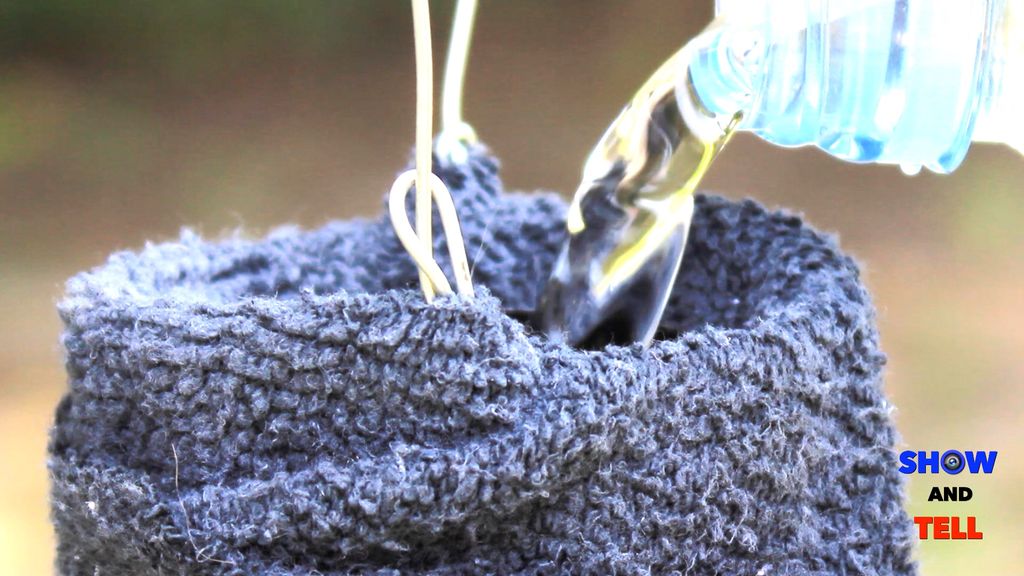
Step 10: Fill the bottle with rain or pond water. Be sure to get the sock wet, too.
Step 11: Continue to pour water in until it flows from the large holes.
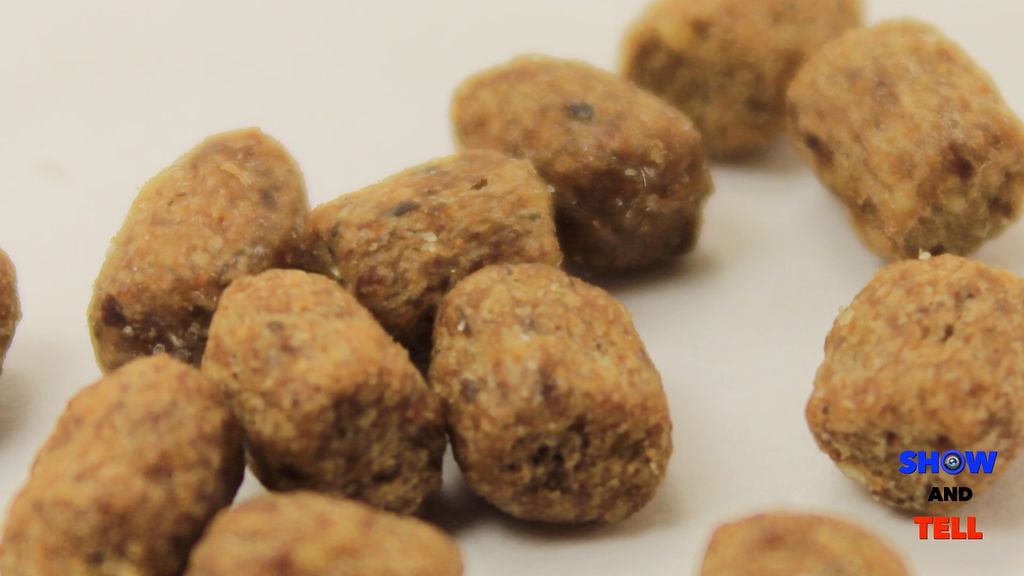
Step 12: Add little pieces of pet food to the bottle to make your water extra stagnant.
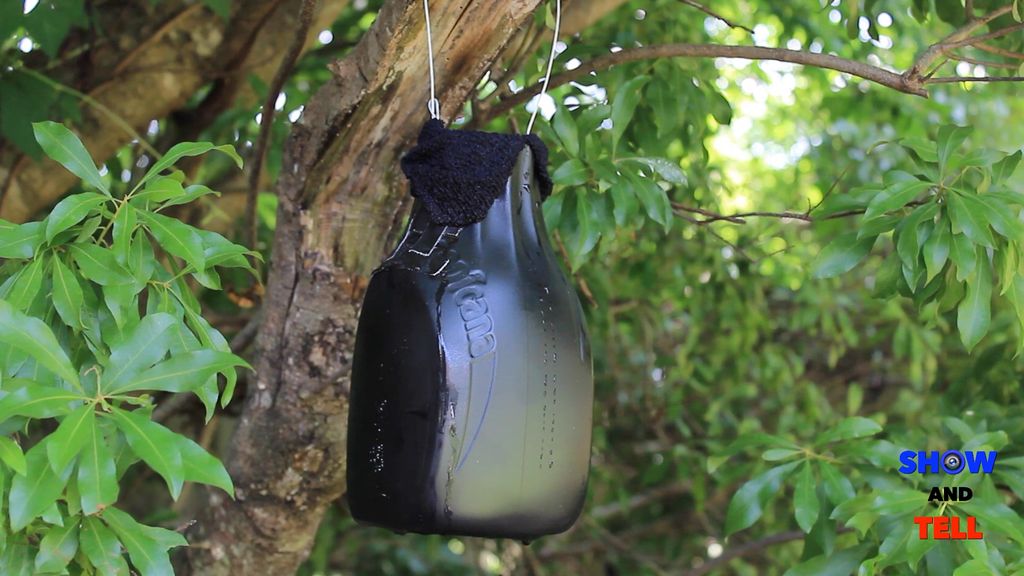
Step 13: Hang your trap from a tree or in a damp, shady place in your yard. The mosquitoes will be attracted to the stagnant water and lay their eggs in the wet sock. Once the larvae have hatched, they will drop into the water within to become adults. When they become full-grown, they will be too large to escape through the screen holes. Your yard's mosquito population will decline very quickly.
Will you be giving this homemade mosquito trap a try? Let us know below!
Please SHARE if you need something like this in your backyard!