
A safe and comfortable childbirth is a relatively new luxury.
According to The Tudor Society, one in three European women died during delivery from the late 1400s all the way to the mid 1600s.
Surprisingly enough, giving birth by a cesarean section dates back to ancient Rome (as its name suggests), when it was performed to save babies whose mother had already died during labor, according to News Medical.
Luckily, women today have a lot more options when it comes to how they want to give birth. Most importantly, more women live to tell the tale.
There are so many birthing options and trends that have begun to take root, including water births and eating the placenta.
A recent trend called "vaginal seeding" has gained some popularity, but medical experts are beginning to think it might not be such a good idea.
[H/T: Independent]
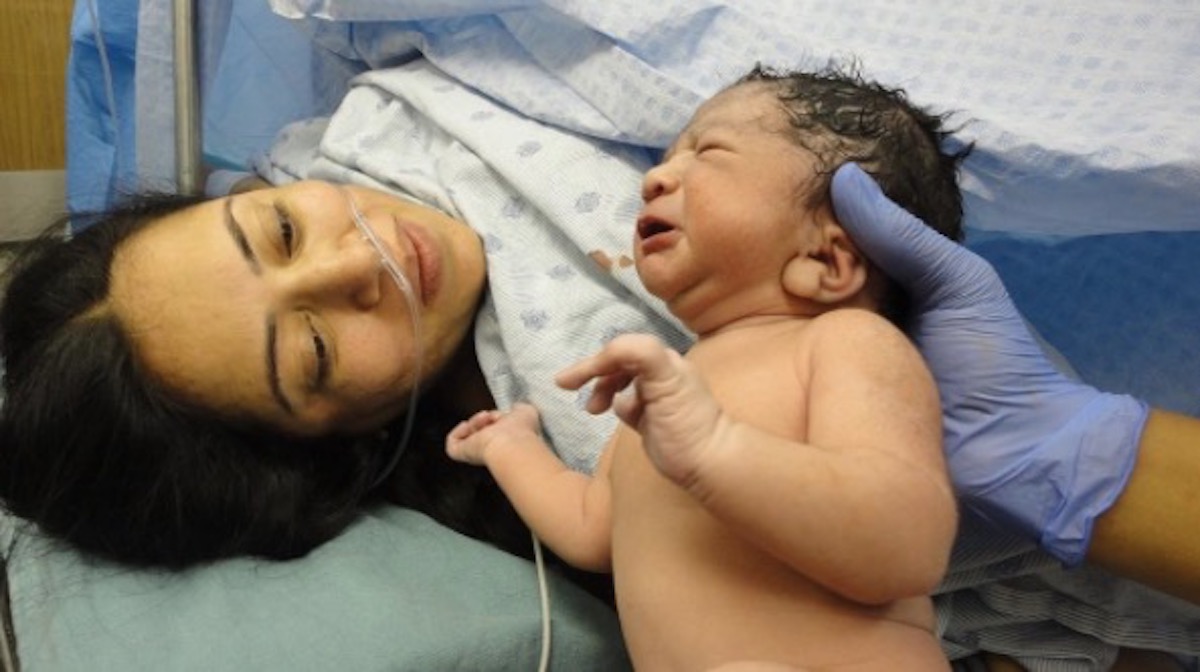
Having a baby is an exciting and stressful time for new mothers. It's their instinct to give their baby the best start possible.
With all of the information available today, what that actually entails can be confusing.
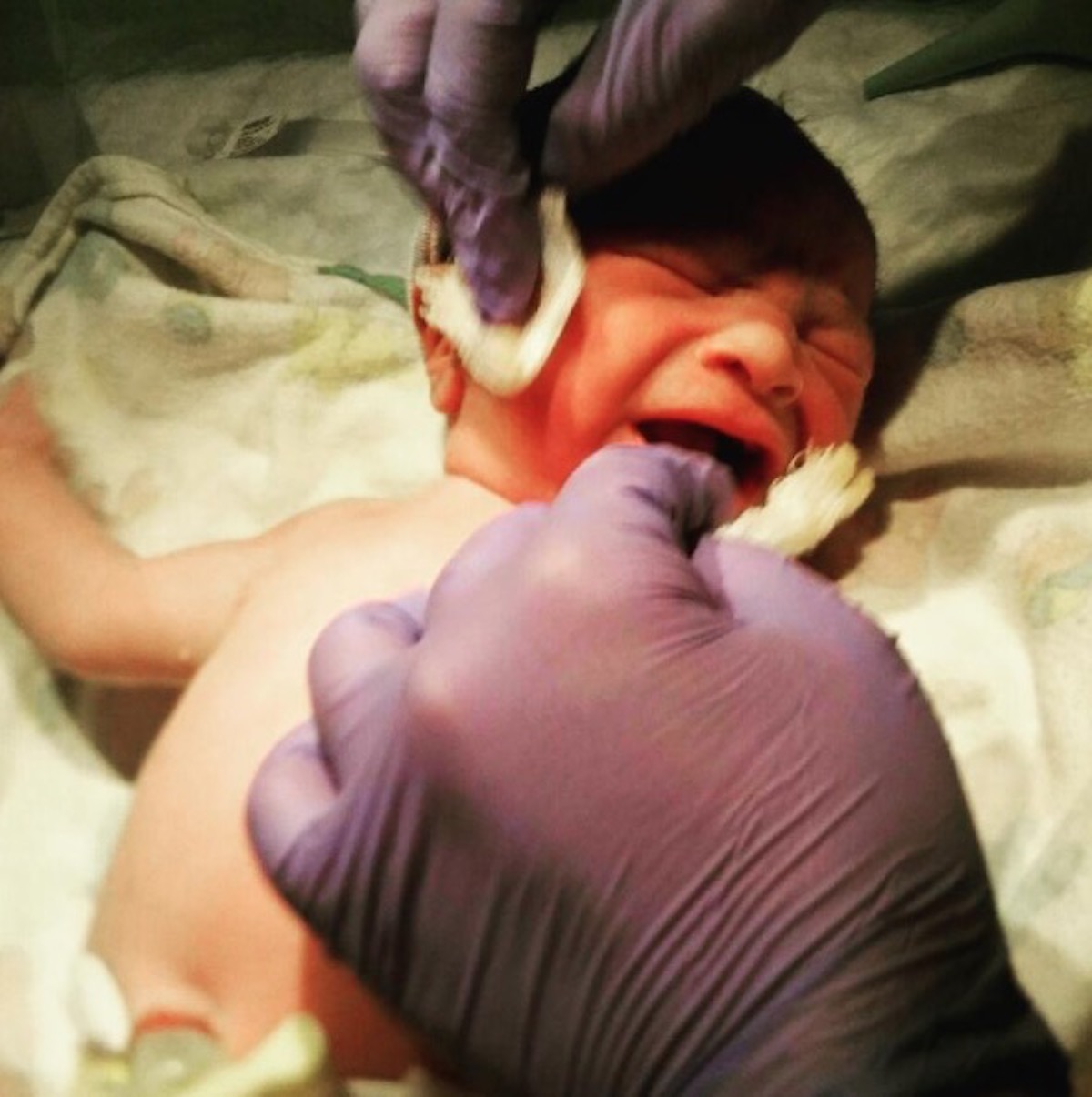
According to the American Congress of Obstetricians and Gynecologists (ACOG):
Vaginal seeding refers to the practice of inoculating a cotton gauze or a cotton swab with vaginal fluids to transfer the vaginal flora to the mouth, nose, or skin of a newborn infant. The intended purpose of vaginal seeding is to transfer maternal vaginal bacteria to the newborn.
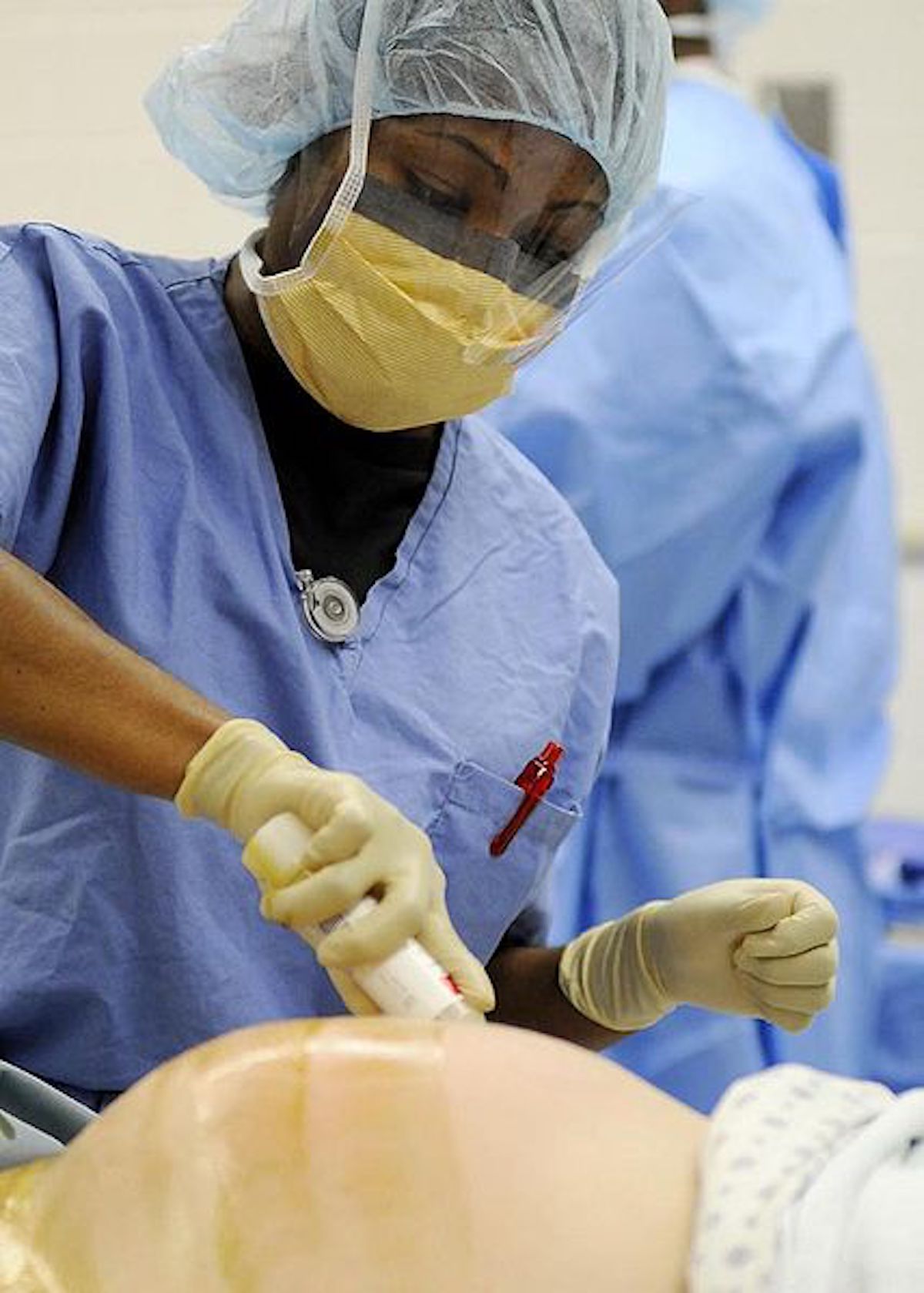
The procedure is exclusive to babies born by C-section because they supposedly miss the contact with these valuable microbes because they do not pass through the birth canal.
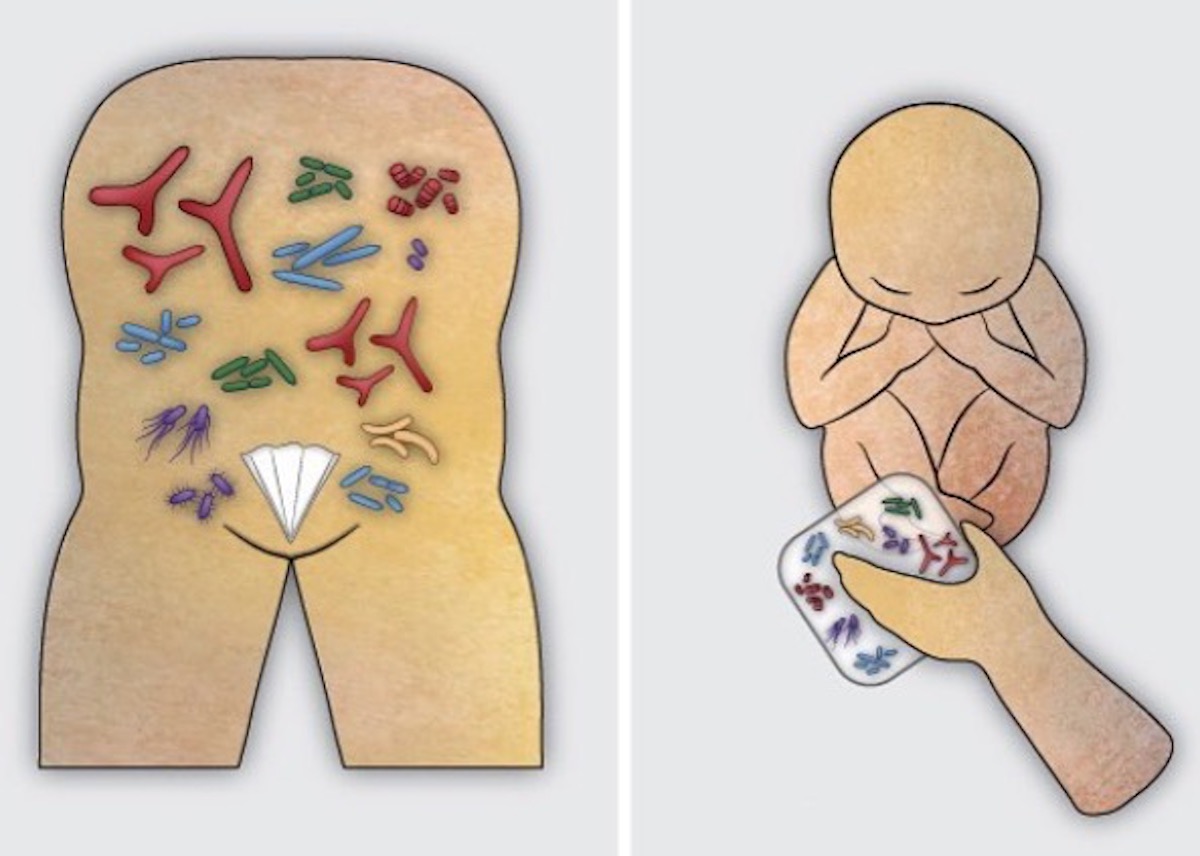
ACOG further explains the thinking behind all of this:
As the increase in the frequency of asthma, atopic disease, and immune disorders mirrors the increase in the rate of cesarean delivery, the theory of vaginal seeding is to allow for proper colonization of the fetal gut and, therefore, reduce the subsequent risk of asthma, atopic disease, and immune disorders.
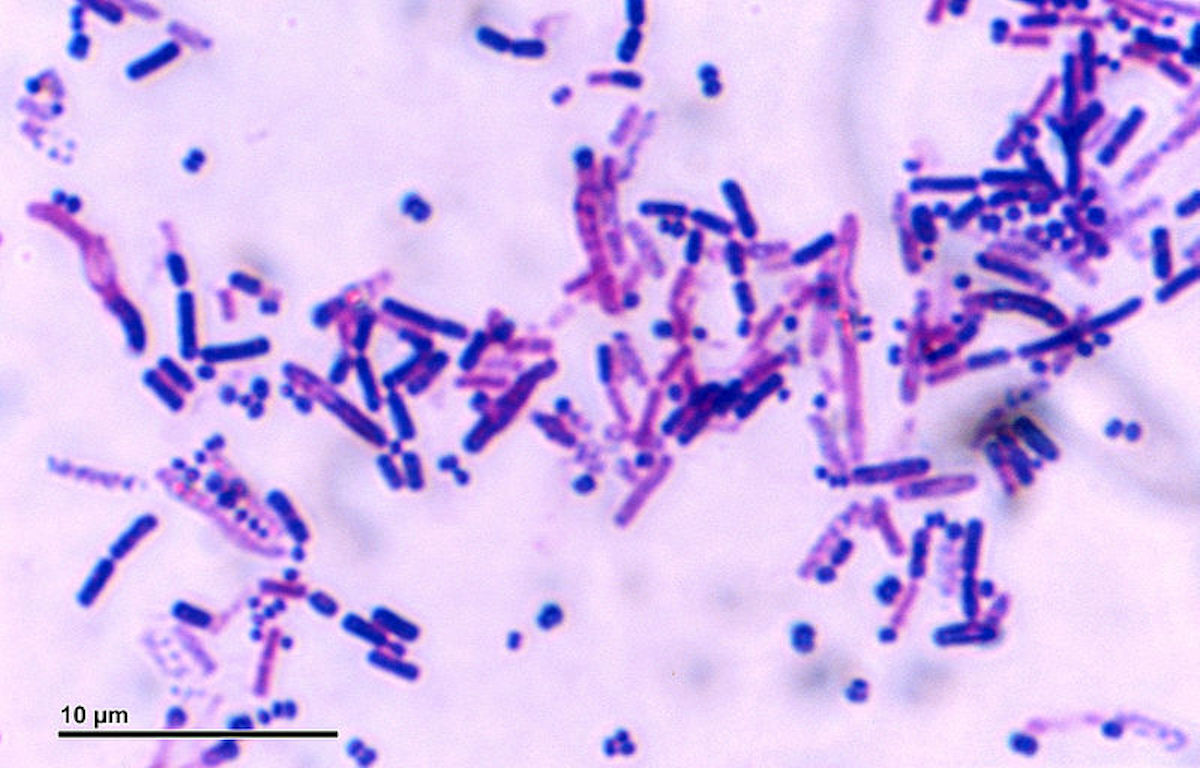
Supposedly, vaginal microbes contain incredible disease-fighting elements that babies born by C-section are missing out on.
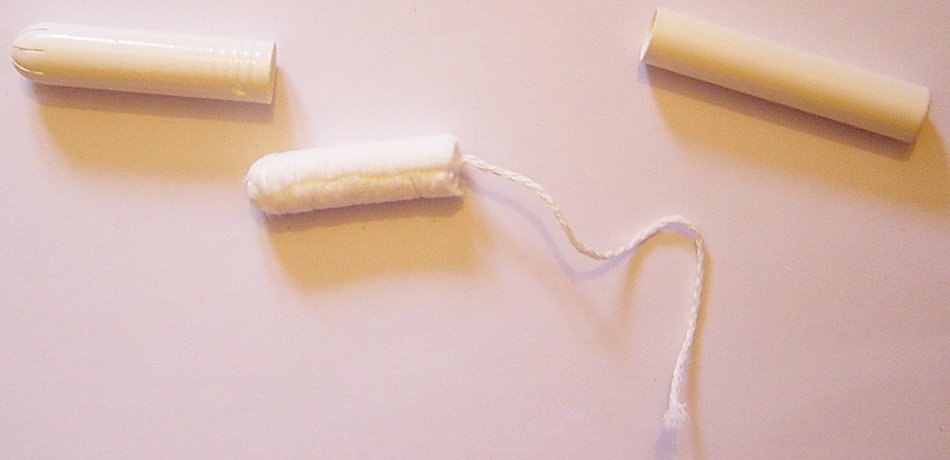
According to MummyFIX, the microbes are collected via a piece of sterile gauze that is rolled up like a tampon and inserted into the mother's vagina for an hour before the C-section.
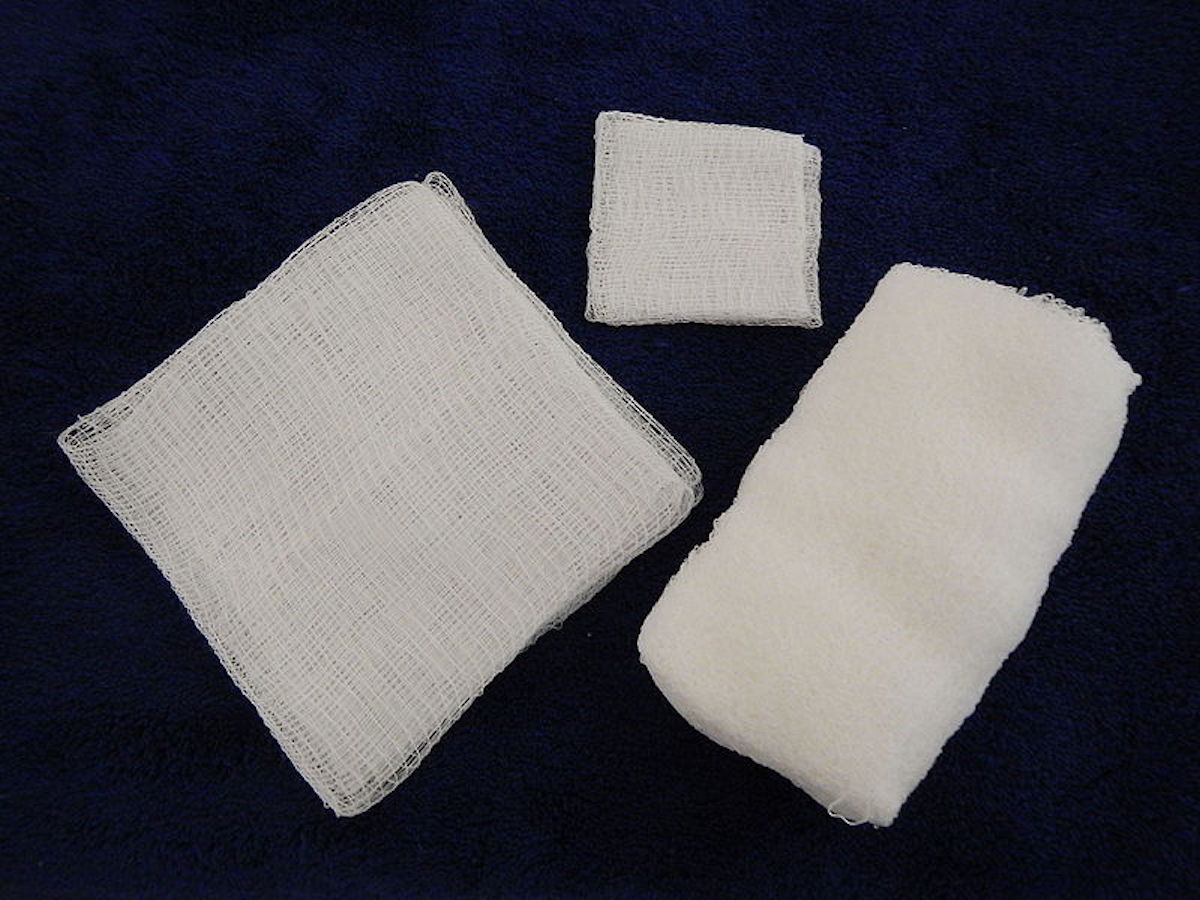
The gauze is then kept in a clean container until the child is born, and then it is rubbed all over their face, body, and inside their mouth, like it would be if they were born vaginally.
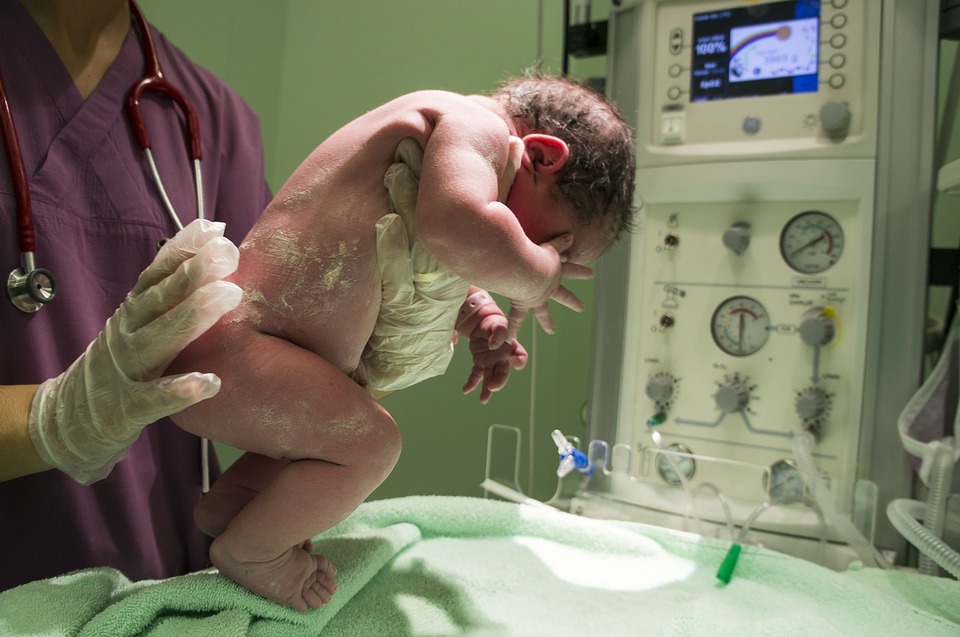
While this all sounds fine and good, the ACOG does not recommend anyone take part in this practice.
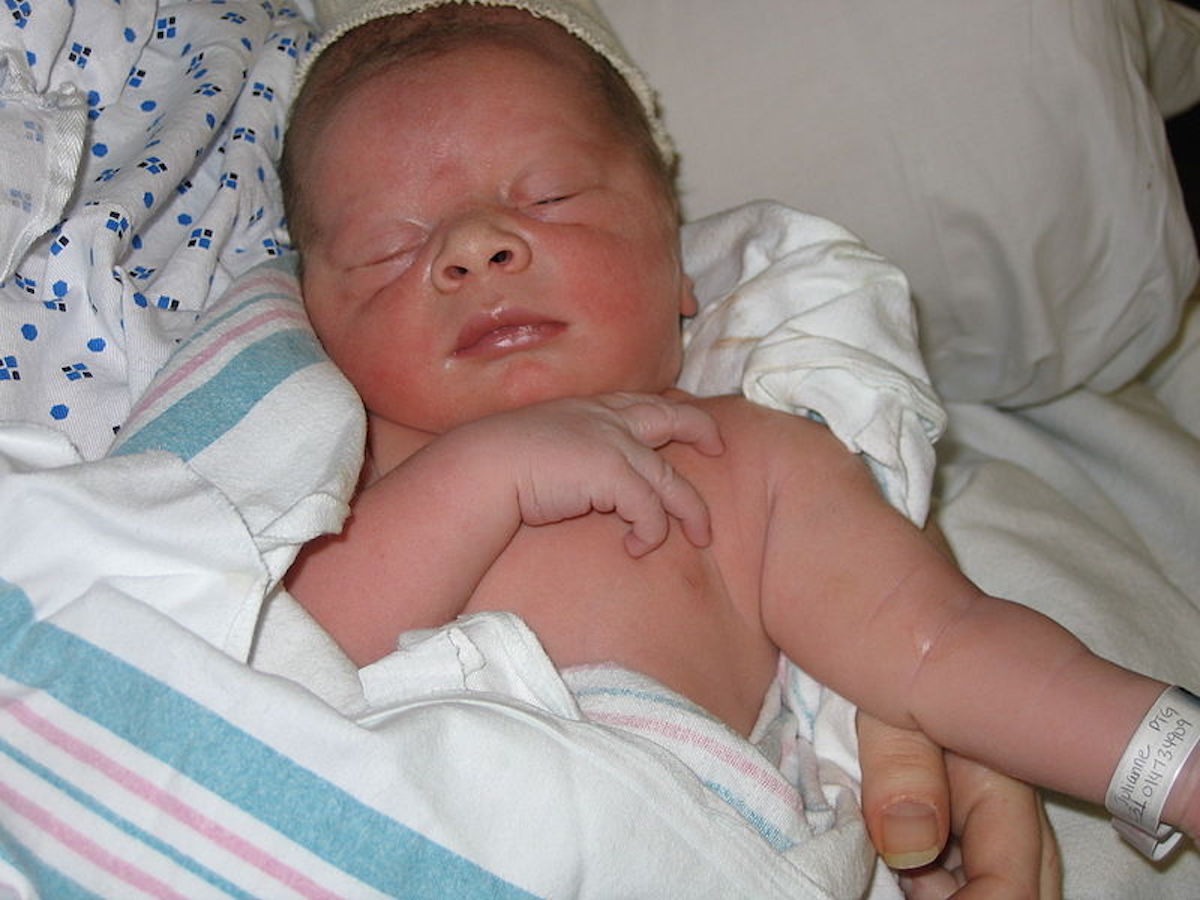
Dr. Christopher Zahn of the ACOG tells the Independent that mothers could unknowingly pass on silent STIs such as chlamydia or herpes to their baby.
Risks aren't only associated with sexually transmitted diseases, but other things like strep and meningitis.
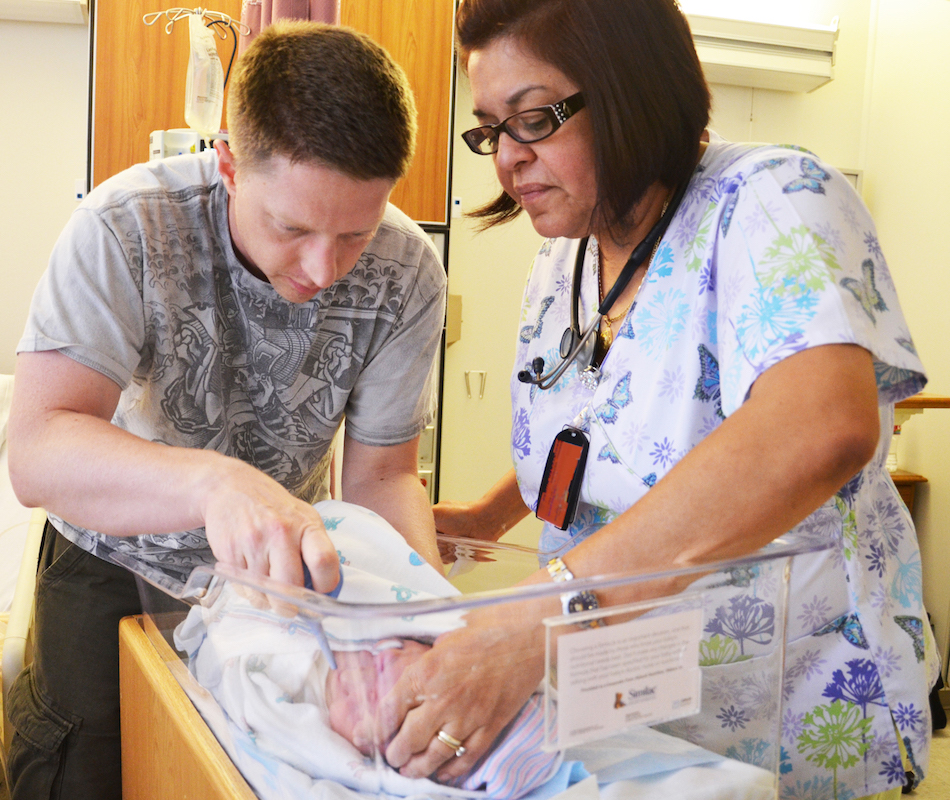
In other words, vaginal seeding may not actually be the best way to keep your baby safe and healthy.
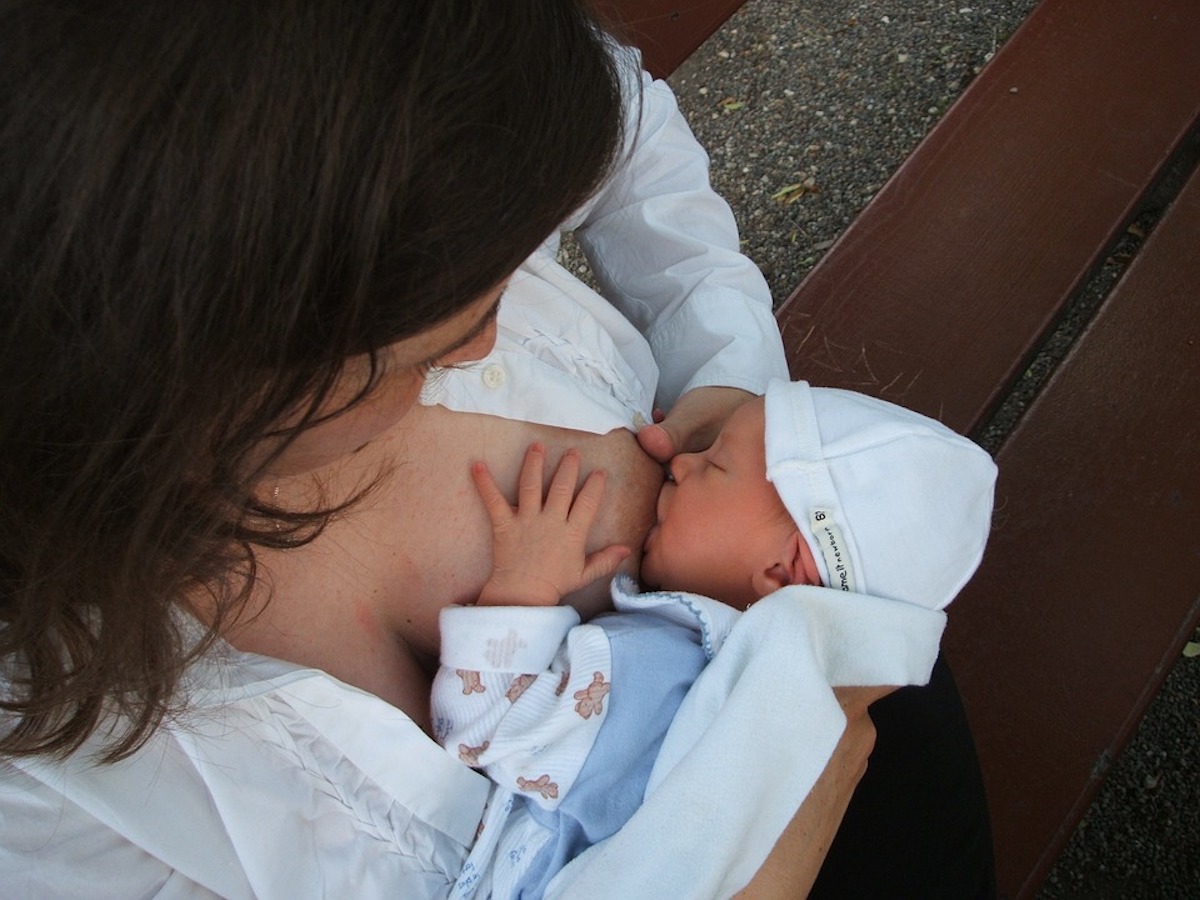
Instead, doctors recommend the more traditional approach of breastfeeding. Zahn says:
The bacteria present in breast milk and on the nipple is sufficient for natural colonisation or seeding of the gut. There may be some initial difference in the gut [microbes] of infants based on mode of delivery, but research has shown that difference disappears after about six months.

There simply isn't enough research in support of vaginal seeding for any doctor to safely recommend it to their patients.

Be sure to SHARE this information with expectant mothers you know!