
When you think of a classroom, you might remember your own experiences, or even those of your children.
Maybe you picture a boxy room with some windows that never seemed to open. If you were lucky, there may have been some posters, but sometimes there was nothing but a chalkboard.
There have been debates for years about the "right" way to educate kids, tackling everything from technology to uniforms — but if you know anything about kids, you know that a little bit of wonderment in the classroom can turn a school day into an experience that's fun and educational, like the teacher who created amazing art just for his students and made them love coming to class.
And you also probably know that being outside is one of the healthiest things for kids (and adults!).
People back in the day knew that, too, and that was why in the 1930s in Northern Europe a pretty amazing fad swept schools.
It started in Germany with something called a Waldenschule, which literally translates to "forest school." It looked like an average classroom with desks, a chalkboard, and lessons, but it was completely outdoors!
Read on to see what this charming version of a classroom looked like. Do you think this should be implemented again? Let us know in the comments!
[H/T: MessyNessyChic]
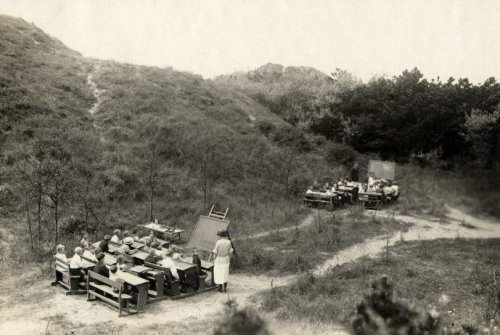
Starting in the early 20th century, the concept of the "open-air" school became popular.
With tuberculosis being a very real threat, and easily spread in stuffy rooms, good ventilation was thought to be key in preventing it.
But people soon started noticing other benefits, as well.
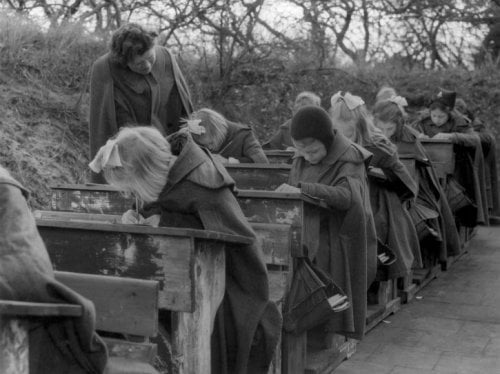
Soon, schools started hauling desks and chalkboards outside as much as possible.
In 1904, the first official open-air school was built in Charlottenburg, Germany, with the intention of giving kids as much exposure to the outdoors as possible to help them grow into healthy adults.
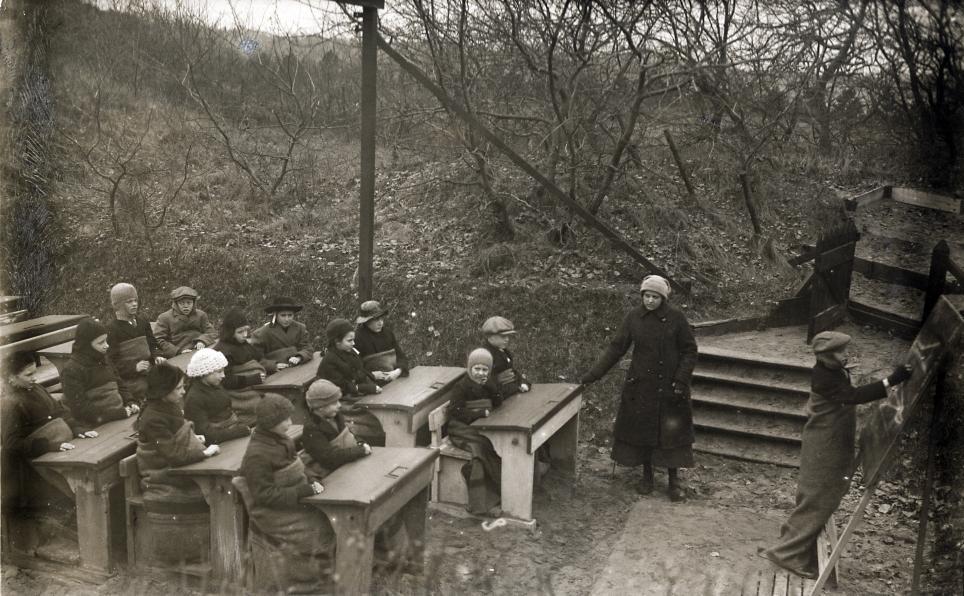
As you can see, students even had outdoor lessons in the cold, and would sit at their disks wrapped in coats and blankets.
While it might have been difficult to write in mittens, it was believed that students, particularly those from urban homes, would find a sense of independence and inspiration in a forest setting.
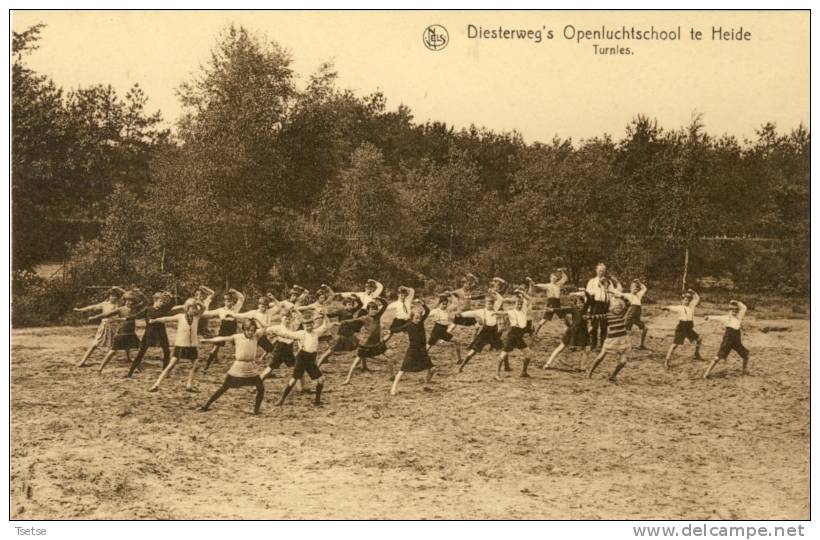
And naturally, all that outdoor space was great for physical education, too.
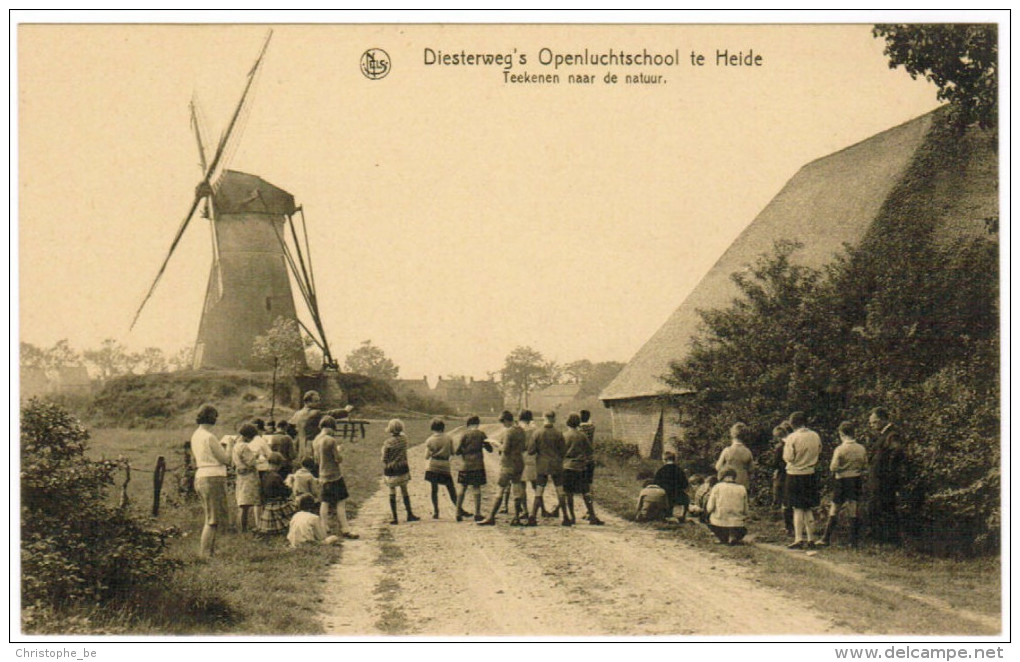
And it also gave students and teachers alike the opportunity to take their lessons on the go and explore the world around them.
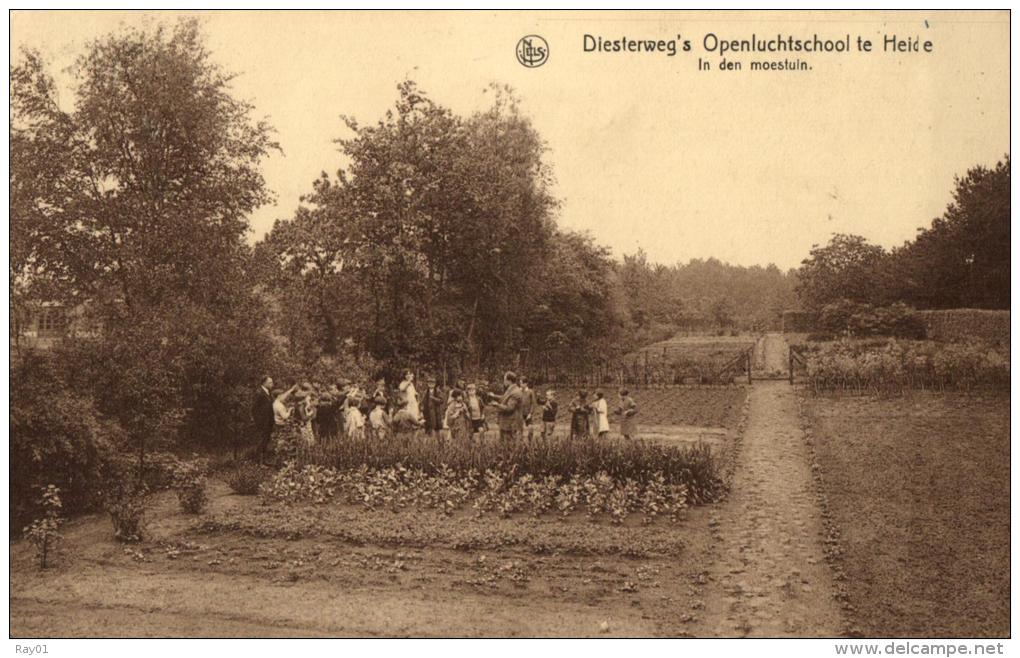
This school even had a garden for the students to tend, which taught them plenty about food production and life sciences.
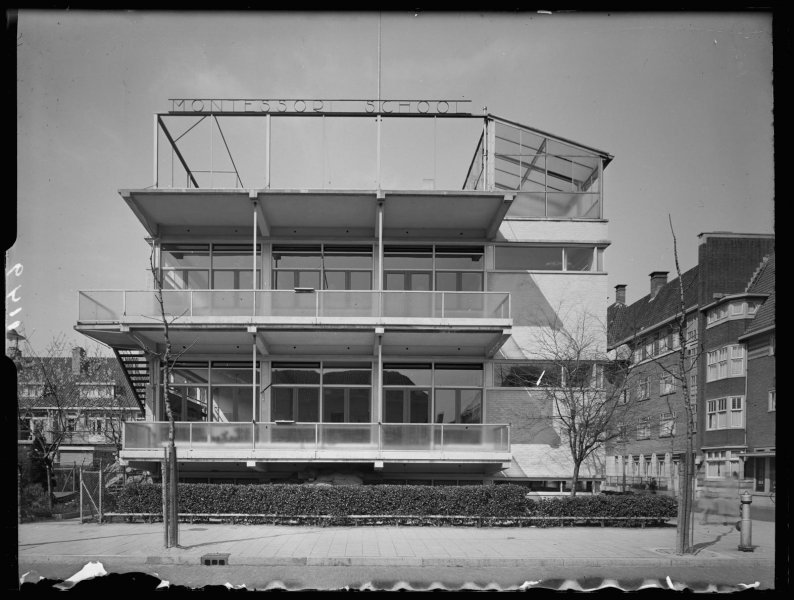
Of course, not all communities had access to the open country. This Montessori school in Amsterdam was built in the 1930s, and has huge open windows so students could enjoy the sunshine and fresh air, even in a city.
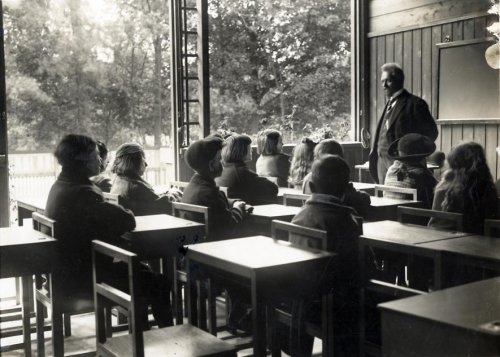
This classroom is a bit more traditional, but the large picture windows still let students (and teachers) enjoy the beautiful, natural view. They could also be closed in inclement weather.
By 1937, there were some 96 open-air schools in Britain alone, and many more in Continental Europe.
And America was in on the trend, too, opening its first open-air school in Rhode Island in 1908.
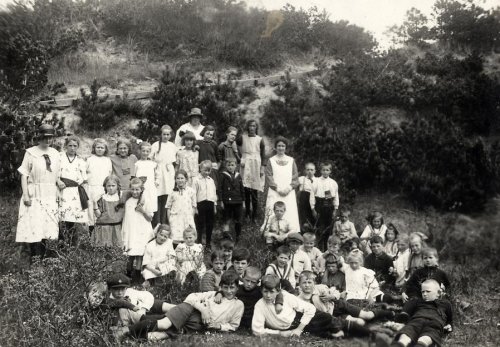
Schools with large opening windows and even retractable roofs remained popular through the 1970s. But after that, with tuberculosis able to be treated and prevented, they began to decline.
But some people think maybe we should get back to this style of classroom. Thanks to portable technology, students don't have to be stuck at a computer desk, after all.
What do you think? Let us know in the comments, and SHARE this strange slice of history with your friends!