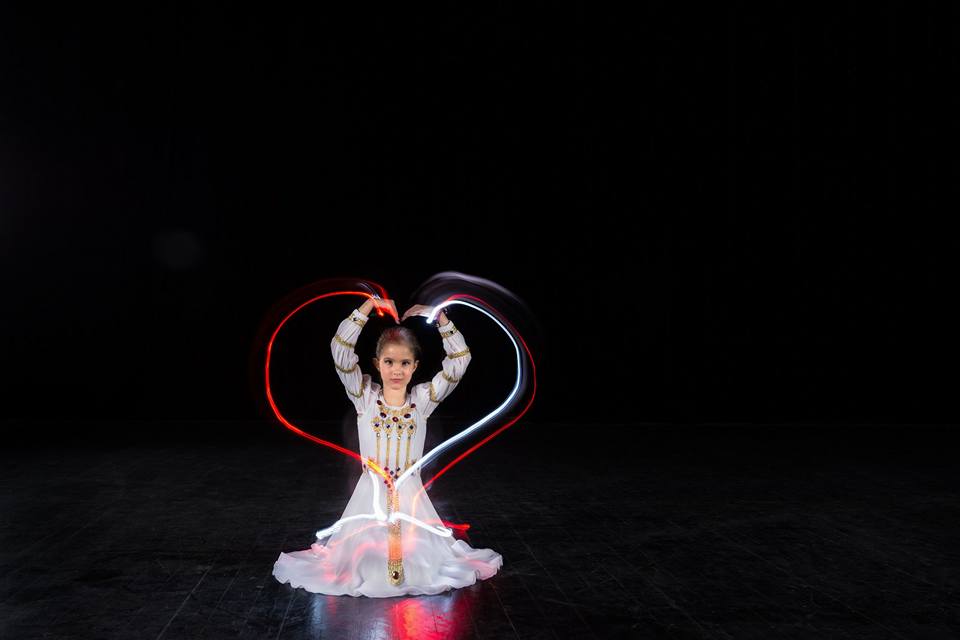
Professionally, photographer Bogdan Cioc specializes in capturing and working with food. That's a pretty great job, but like any other creative person, he sometimes needs to check out other styles of photography.
And since food is pretty, well, motionless, Bogdan found himself captivated by the patterns made by objects moving through the air. If we could see them, what would they look like?
One day, he decided to find out. He teamed up with the Academia de Dans Ballet dance school in his home city of Bucharest, Romania, and snapped pictures of some of their young students (and their adorable costumes) in motion.
And if you're familiar with ballet, you know that it's full of stunning motion and technique, even in a nontraditional setting.
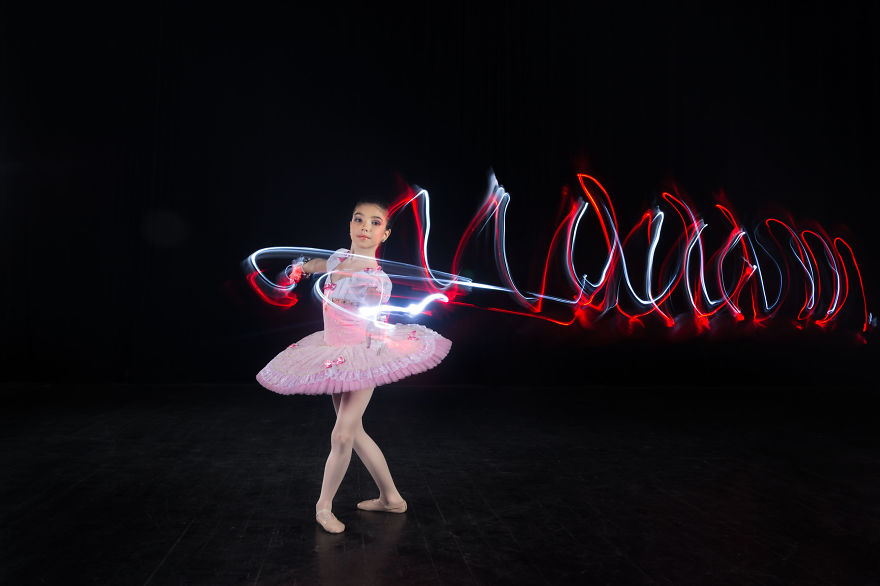
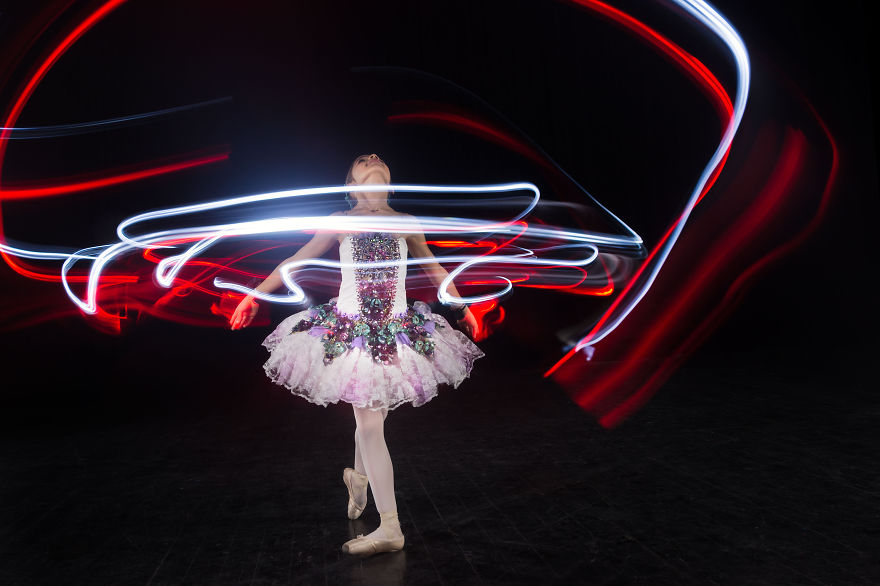
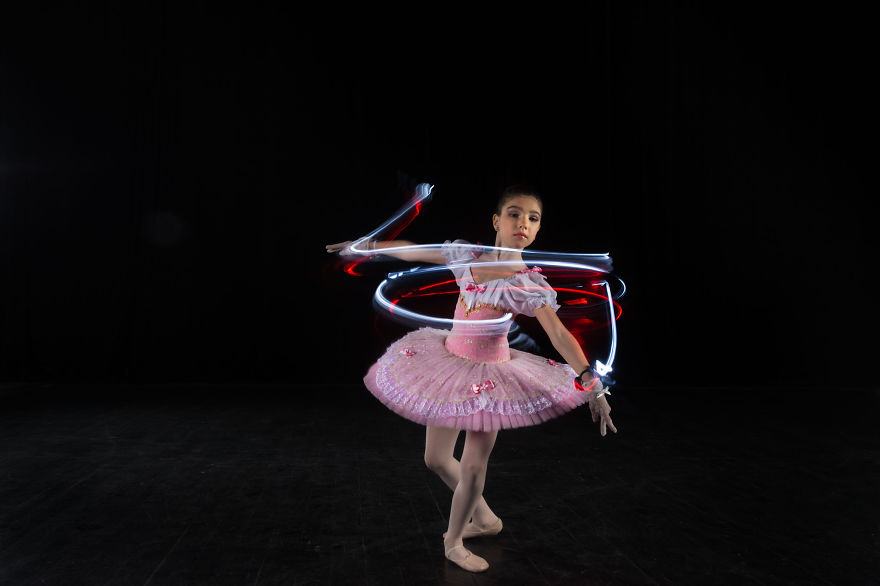
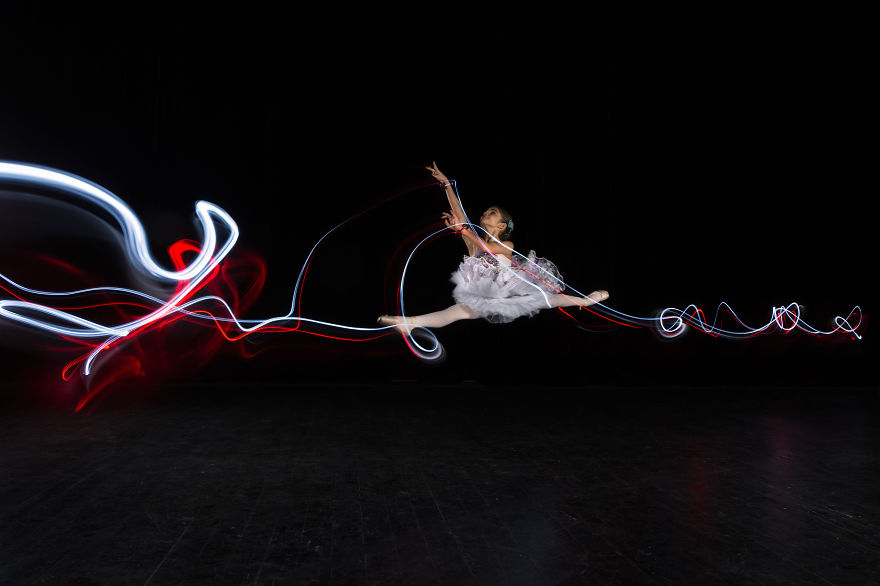
But that wasn't all. He used a long-exposure technique, and the dancers wore special LED bracelets made from the headlights and taillights of bicycles. The long-exposure photos picked up the moving lights and created some amazing patterns in the air.
Check out what Bogdan — and the dancers — created in this cool project. And if you have a long-exposure option on your camera and an LED light, you can try this yourself!
[H/T: BoredPanda]
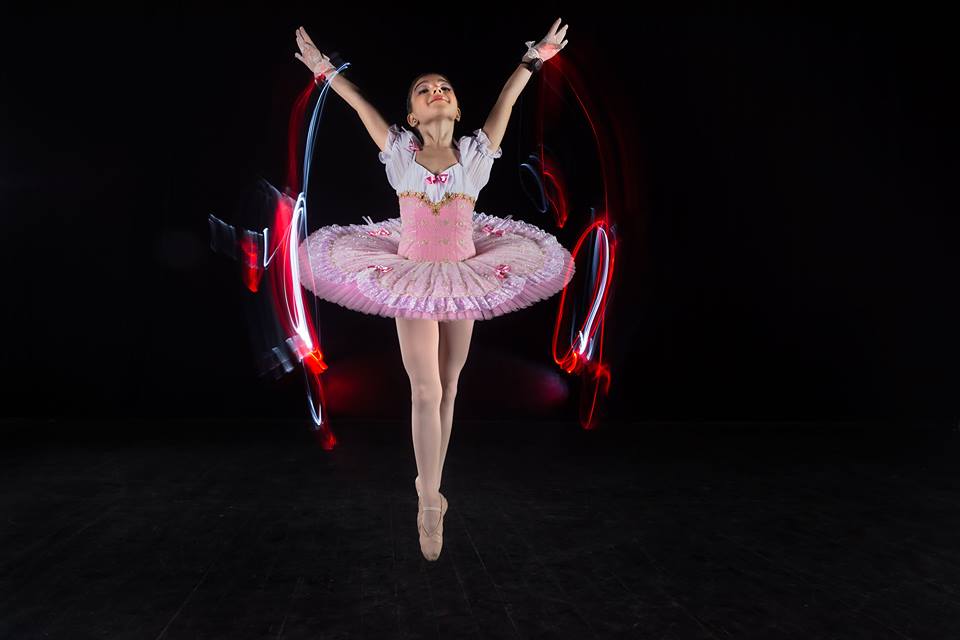
The lights were created from bicycle headlights and taillights, and when captured on camera, left red and white flashes in the air.
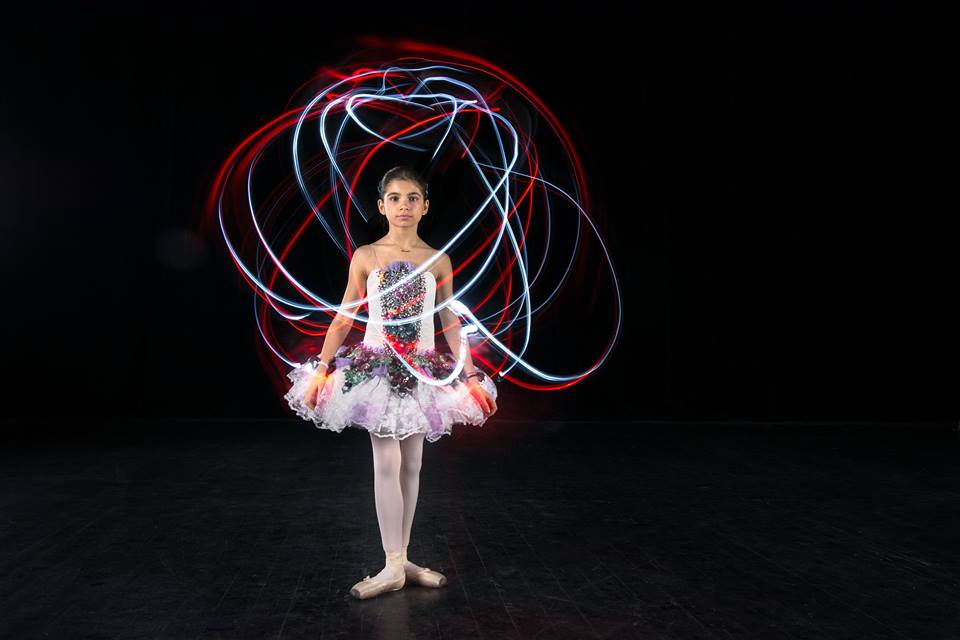
Depending on the length of the exposure, the trails could be long or short, and would map the path of the moving dancer's arms.
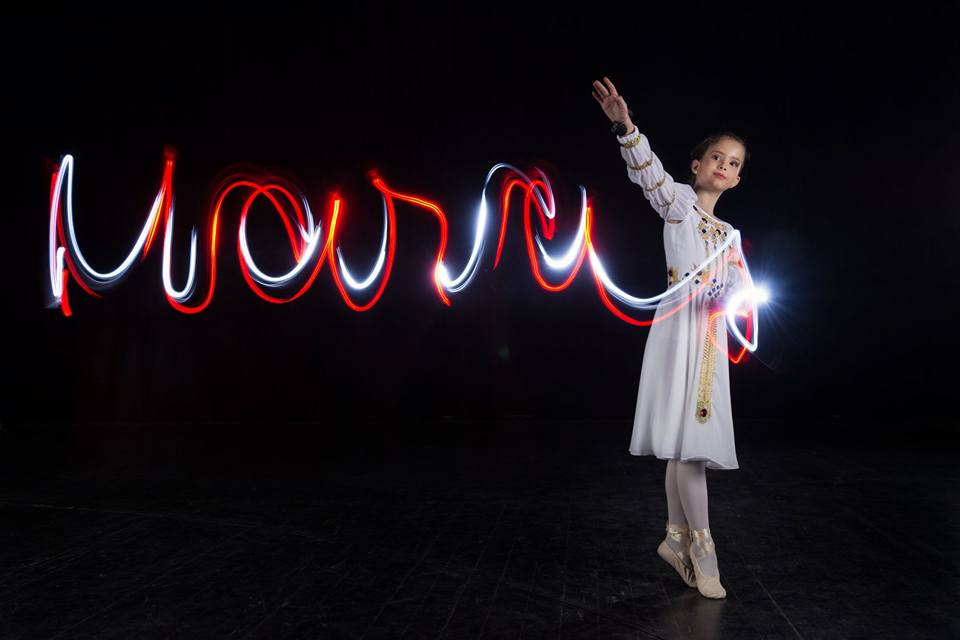
Some of them managed to manipulate the lights really well, even spelling out their names!
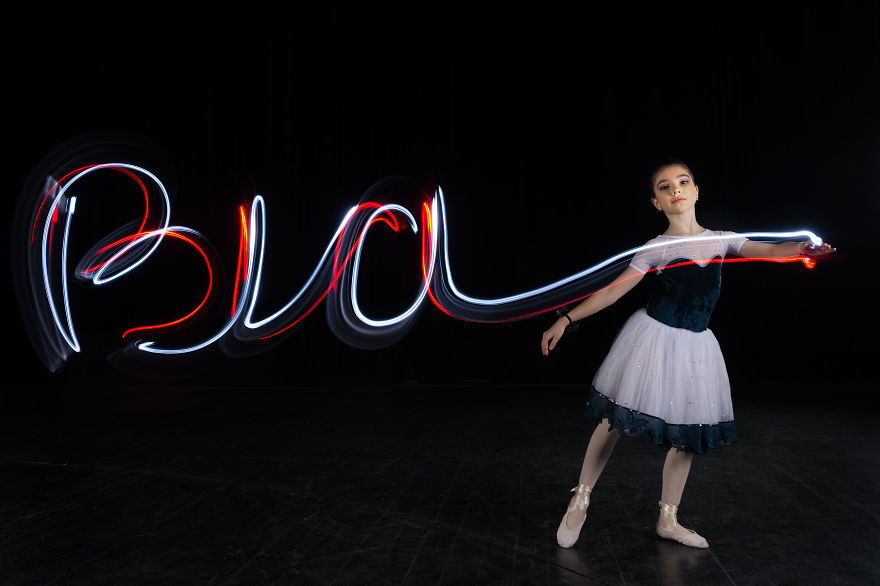
So the motion patterns can be neat and orderly enough to read, with lots of smooth, swooping movements…
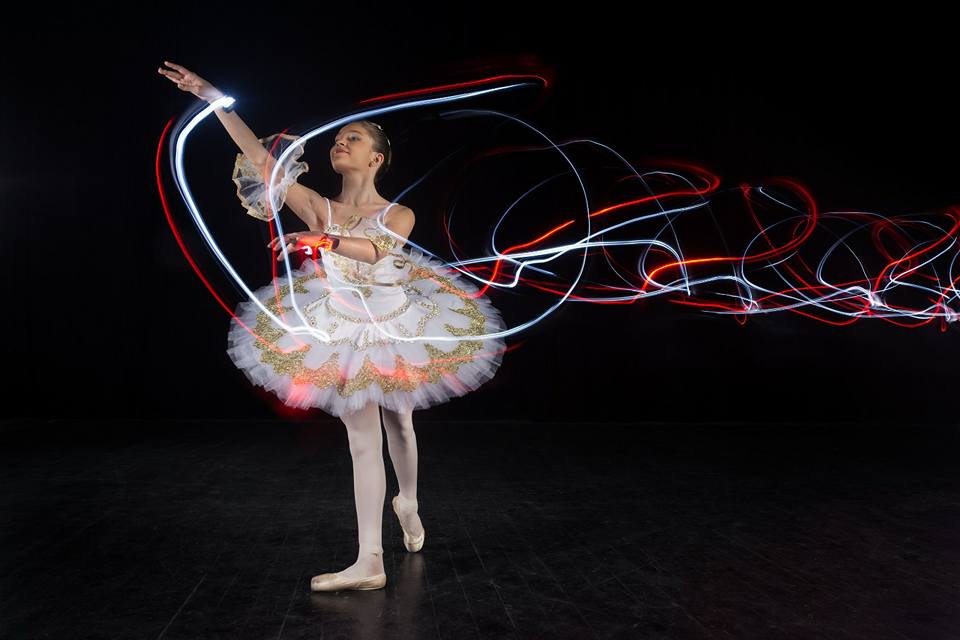
…or they can show a more energetic pattern, with swirling loops and sharp turns.
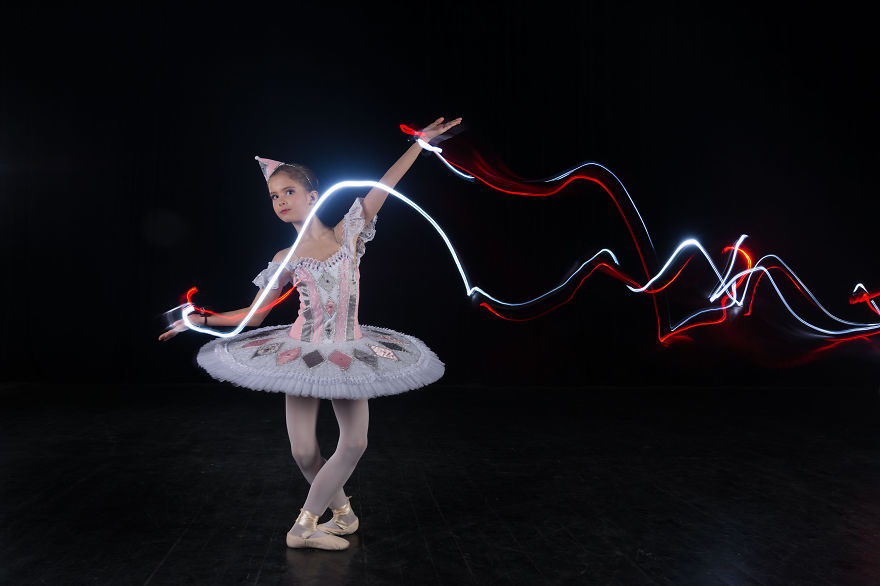
The lights could also be set to blink or remain steadily on, which also produced different effects.
And in case you're wondering, these images were all created as single photographs, with no digital editing or manipulation.
Although he enjoys his job, Bogdan recognizes his artistic need to explore other subjects.
He also photographs landscapes and more traditional portraits, and also experiments with animation.
For Bodgan, this series was a way to explore how we see — and how we don't see — motion all around us.
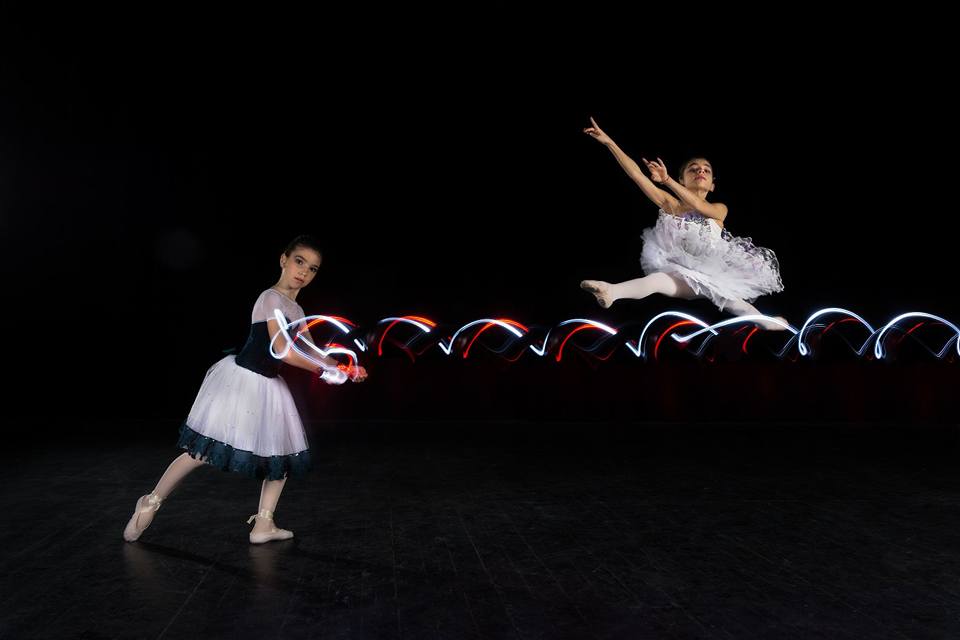
By capturing it in a still image, we can better see the complex motions of the dancers, as well as get an understanding of how they move in space.
And the best part is that this is very easy to do, even if you don't have a background in photography. You'll just need a long-exposure setting and a small light — and plenty of room to move around. Experiment and see what you come up with!