
When the nearly intact tomb of Pharaoh Tutankhamun was revealed to the world in 1922, the heaps of golden treasure inside dazzled the world. Never had the world seen so much ancient treasure.
The amazing tomb, uncovered for the first time in about 3,300 years by British archaeologist Howard Carter, sparked a world-wide interest in ancient Egypt, and made Tutankhamun — often shortened to "Tut" — a household name, even today.
Tut's mysterious death at an early age and whispers of a supernatural curse helped with his popularity, too.
It turns out that even more than 90 years later, Tut's tomb is still doling out amazing secrets.
Recently, archaeologists discovered evidence that there may be hidden rooms sealed off behind the tomb's walls, holding even more secrets about the turbulent period on Egypt's history during which Tut ruled.
But amid all the glitter, theories about Tut being murdered by a power-hungry vizier and other romantic ideas about the ancient past, there was one small artifact that went, for the most part, unnoticed.
It was a dagger with a sheath and handle of gold, but a silverish blade that didn't tarnish after three millennia.
And as it turned out, the dagger blade was made of something more incredible than anyone thought.
[H/T: Twisted Sifter, Smithsonian]
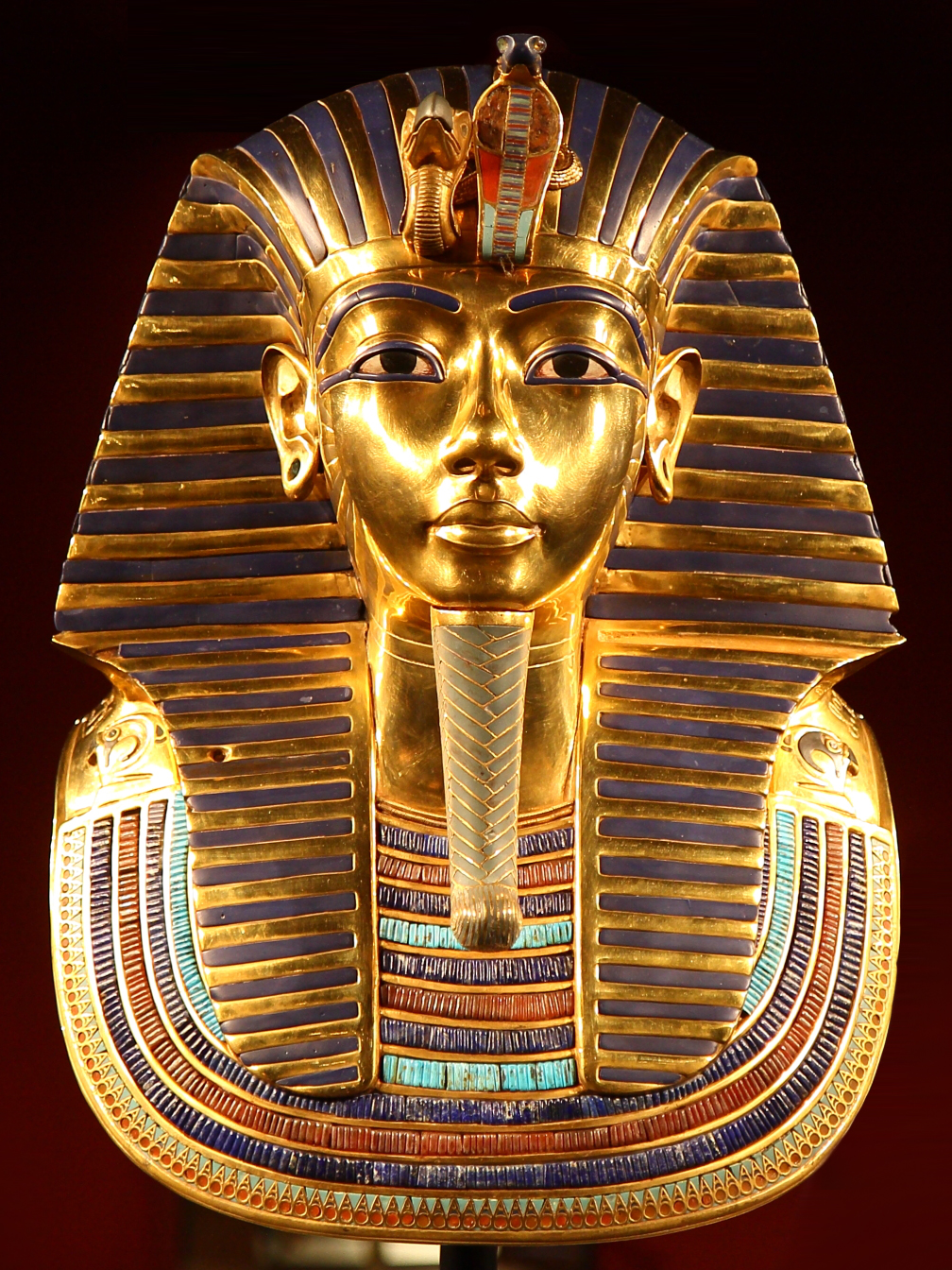
Tutankhamun was only about 9-years-old when he ascended the throne 3,300 years ago in Egypt.
He ruled for only nine or ten years before dying unexpectedly, likely of an infection of a broken bone.
But even with his short reign and early death, we still know about him today.
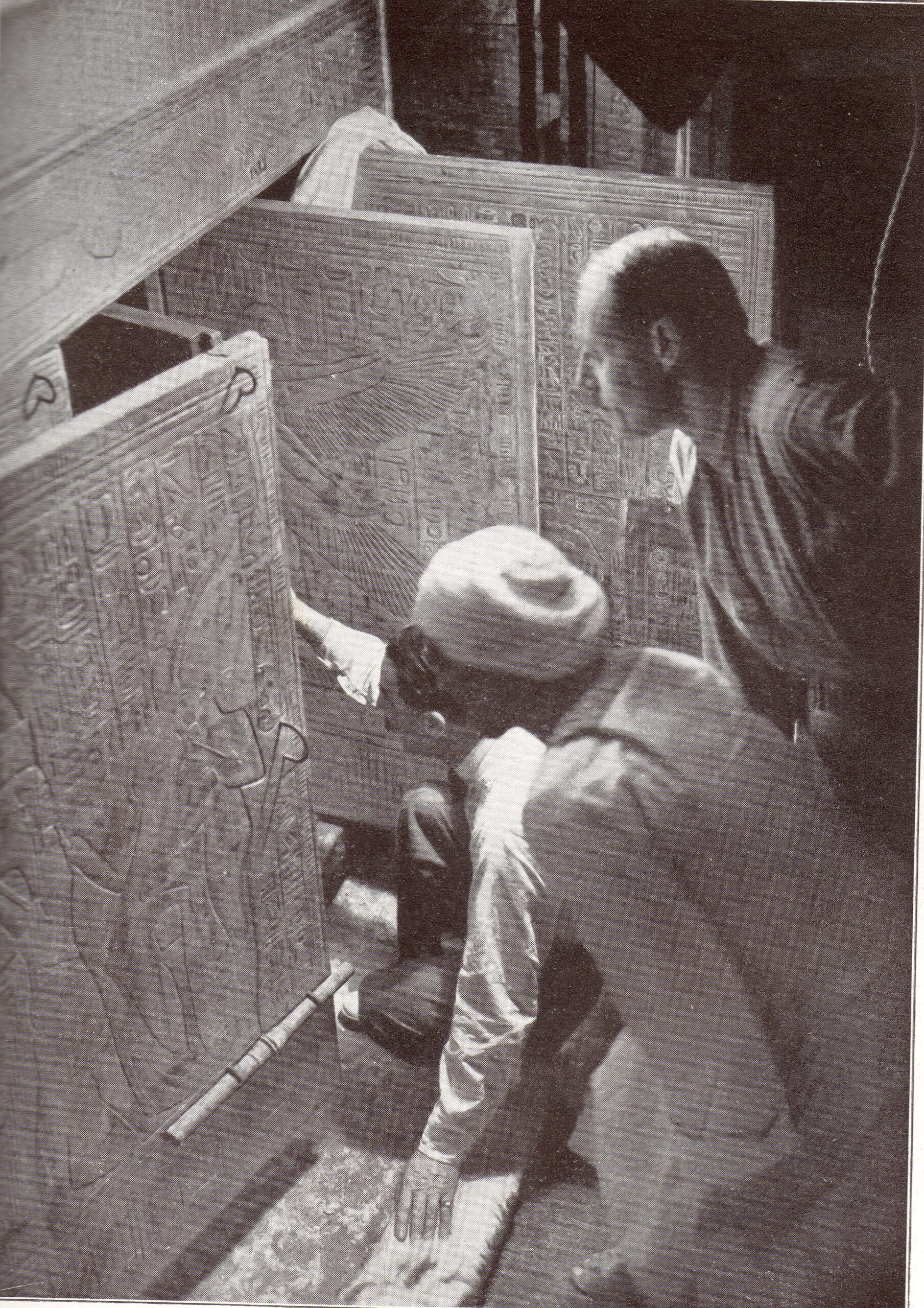
That's partially because of the discovery of his tomb in 1922.
While most other Egyptian tombs had long since been robbed, Tut's was remarkably intact and brimming with golden treasures, beautiful murals, and information about the Egyptian civilization.
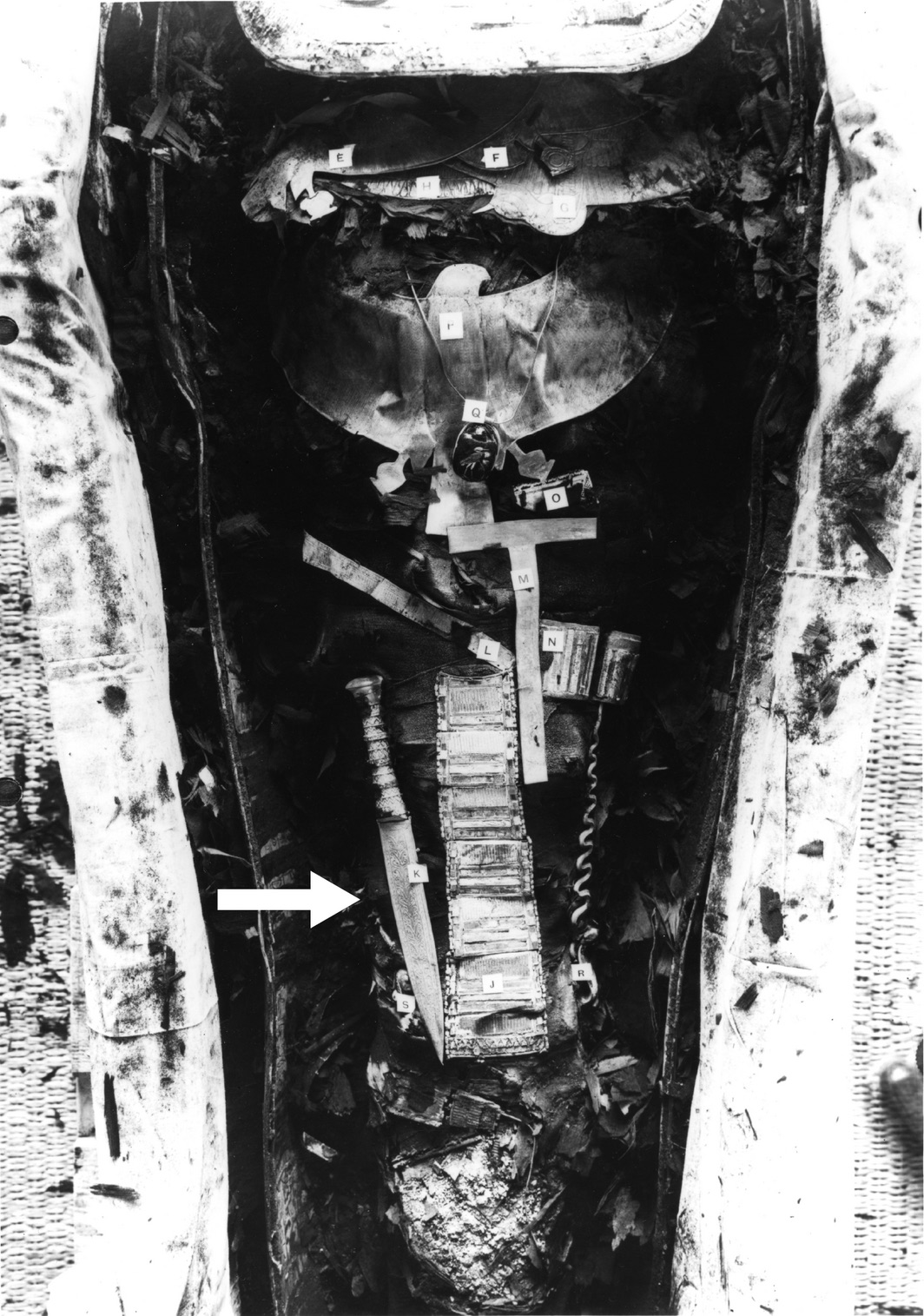
Naturally, with the glittering gold treasures adorning nearly everything, it was easy to overlook some of the smaller things.
For example, this dagger buried next to Tutankhamen, wrapped up with his mummy down near his legs. You can see it in this X-ray image, signaled by the arrow.
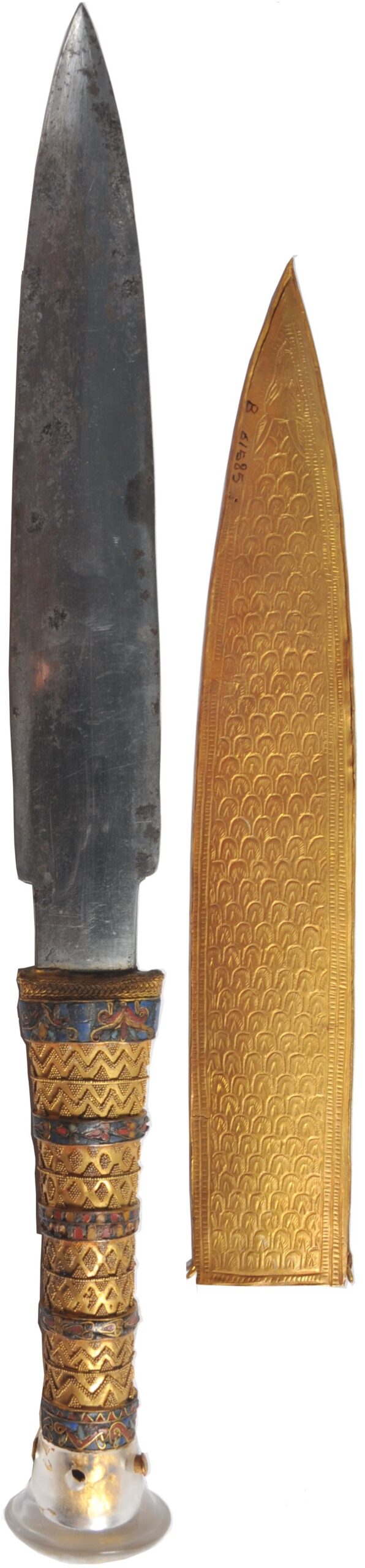
The dagger has a golden handle and sheath, but the blade is made of what appears to be iron.
However, experts were confused. Egyptians didn't start using iron for things like knives until about 100 years after Tut's death.
To determine what this knife really was, Daniela Comelli, professor of materials sciences at the Polytechnic University of Milan, used a procedure called X-ray fluorescence spectrometry to determine how exactly it was made.
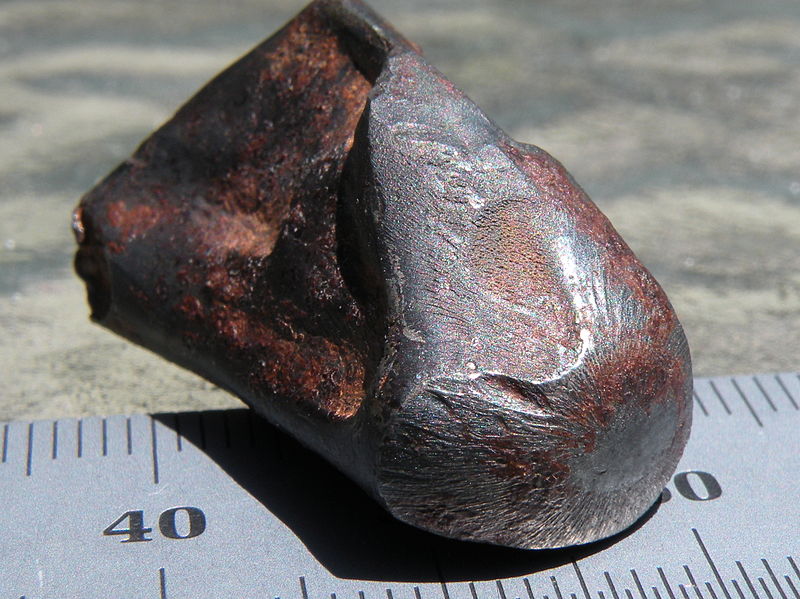
The answer? The blade was of extraterrestrial origins!
No, it wasn't made by aliens. It was forged by Egyptian craftsmen here on Earth, but the metal is meteorite iron.
Specifically, it's a mix of iron, nickel, and cobalt — the typical mix of metals found in meteorites.
There are even references to meteors in Egyptian writing. They called it "iron from the sky," and there may even be other items made from meteorite in Tut's cache.
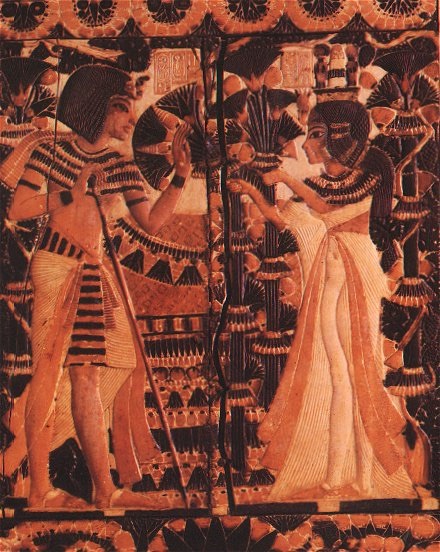
Knowing about meteorites, that they were a natural occurrence and could be used as material, would put the Egyptians far ahead of other cultures.
Tutankhamun, pictured here with his wife (and half-sister), might have even been something of a collector of the material.
It's not known if the material had religious significance, but it's safe to say that just like today, they thought having "iron from the sky" was really, really cool.
It's pretty amazing that after so many years, Tutankhamun is still revealing his secrets to us. Who knows what else we might find in the future?
SHARE this amazing information with anyone who loves history and space, and what happens when they come together in unexpected ways!