
Everyone agrees on one thing: one way or another, the baby is going to come out. But everything before and after that actual moment of birth? Totally open to interpretation.
Some moms-to-be rent birthing tubs and plan on natural birth. Others have had their scheduled Caesarean on the calendar for months. Still others bring babies into the world while dancing the "Tootsie Roll" through the contractions.
With a handful of exceptions, there’s no right or wrong way to go about childbirth. After all, every woman is going to have a different experience, and no two babies are alike.
That’s why there’s room for tons of different practices both before and after childbirth. Among them is a controversial practice known as placentophagy, popularized by celebrity moms like Kim Kardashian and January Jones.
In plain English, it’s the practice of eating your own placenta after you’ve delivered your baby. It might not sound particularly appetizing to you, but these days, the trend is growing by leaps and bounds worldwide.
What do you think of this practice? Let us know your thoughts in the comments below!
What Is The Practice?
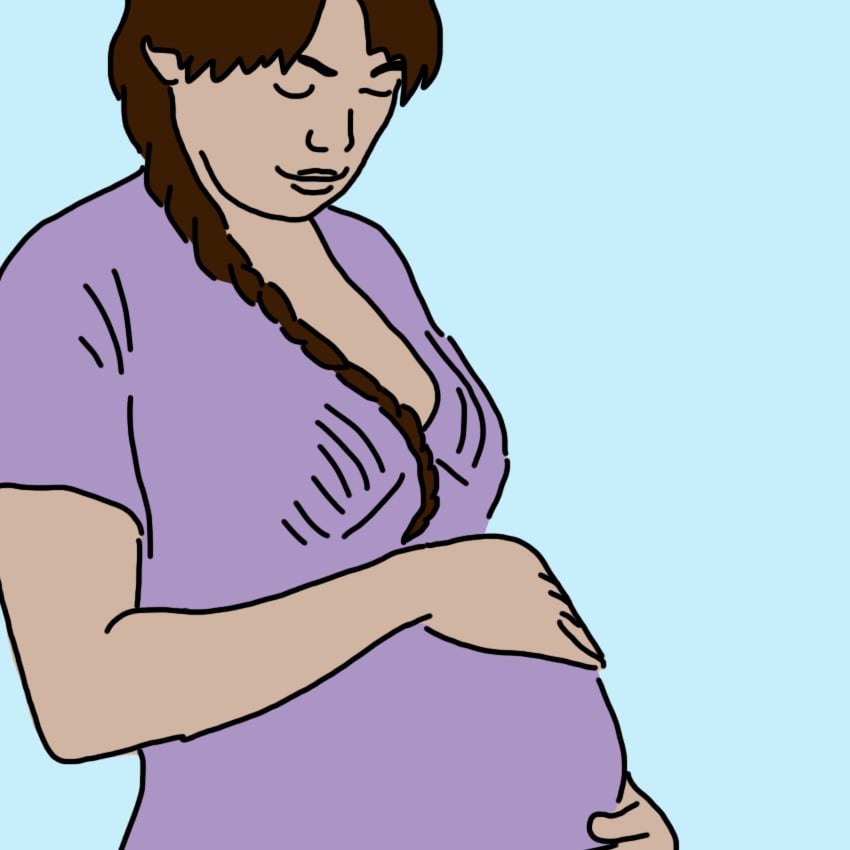
Placentophagy, as the process is officially called, is a practice that has made waves in the parenting world in the past 10 or 15 years.
For a pregnant mom going into labor, it means delivering your newborn, and then following up childbirth by eating the afterbirth, or placenta.
What Is A Placenta?
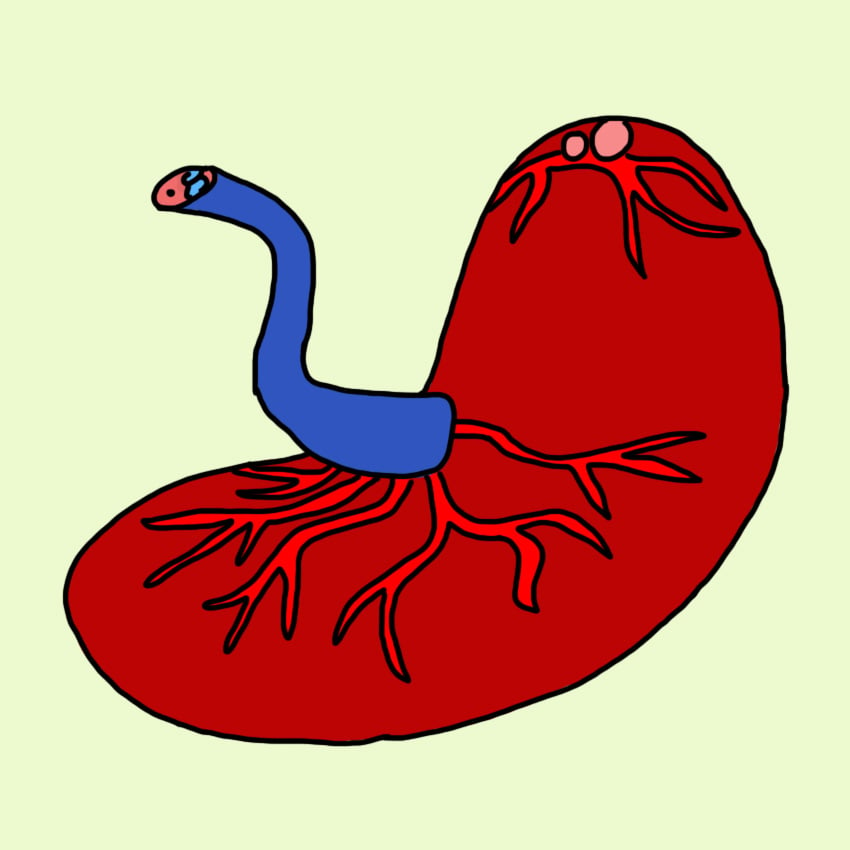
The placenta is an organ that only pregnant women develop.
Attached to the wall of the expectant mom's womb, it absorbs, stores, and passes along nutrients to the growing baby through the baby's umbilical cord.
It is usually still connected to the baby at birth, and delivered shortly after the baby is born.
Why Would We Eat That?

There are a handful of reasons that certain moms swear by the placenta-eating process.
While there's no clear evidence that ancient humans ate their afterbirth, almost all other mammals engage in the practice in the wild.
There is some evidence to suggest that eating the placenta helps animal mothers to handle the pain of labor.
What Are The Benefits?
It's chockfull of vitamins and nutrients!
Since the placenta is responsible for nurturing your growing baby for nine months, it makes sense that it's full of healthful goodness, including lots of iron and vitamin B-12.
But doctors caution against overconsumption. Since the placenta is also responsible for filtering out bad stuff, it can accumulate toxins.
What Are The Long-Term Effects?
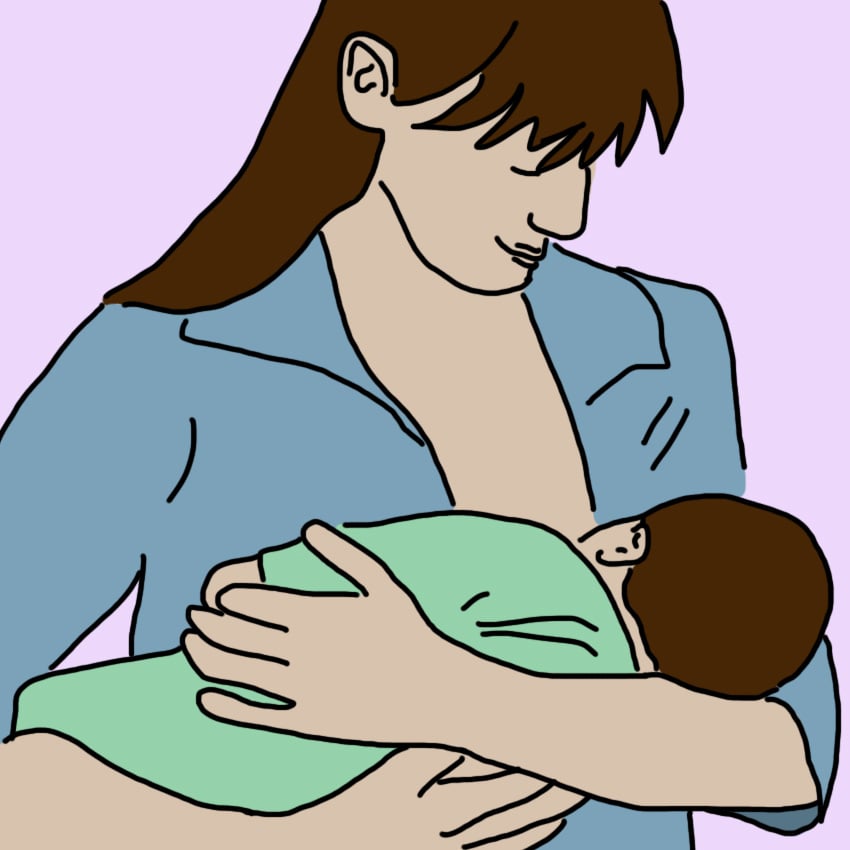
Some of the most commonly cited benefits of placentophagy include warding off the baby blues, helping bond Mom and baby, and even kickstarting milk production.
For moms concerned about postpartum depression, the hormones and oxytocin in the placenta might provide a mood boost, in addition to promoting the flow of breast milk.
Some moms even claim that eating the placenta helped encourage reluctant eaters to latch!
How Do I Do It?

The first step is to consult with a midwife or doula.
Your OB-GYN might be trained in the practice, but lots of midwifes will help make the process easier by preserving the placenta while you have more important things to worry about and can help you decide how you want to proceed!
Most midwifes will also know how to preserve or dry the placenta.
What Would It Taste Like?
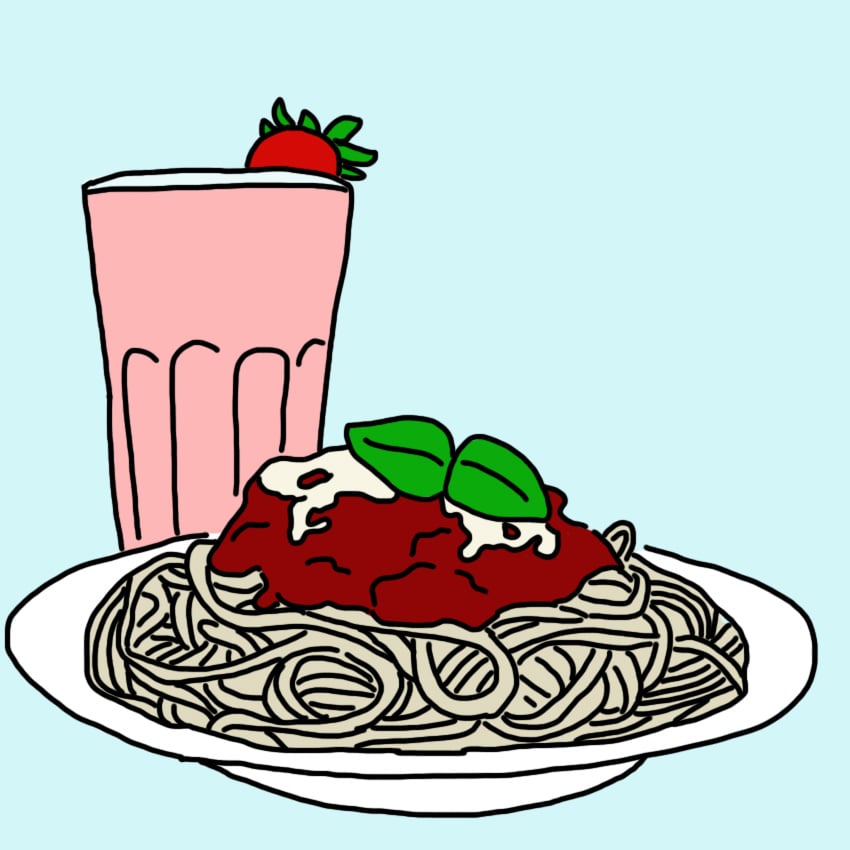
Once your baby born, there are a few options for eating the placenta. Some intrepid mothers may choose to simply cook the placenta and eat it as is.
For those who can't quite stomach that, the internet is full of recipes for powdering placenta and mixing it into various recipes, including fruit smoothies and spaghetti sauce.
Do I Have To Actually Eat It?

By far the most popular option is a process called "encapsulation."
Through a trained midwife, lots of moms are opting to have the placenta freeze-dried and encapsulated in pill form, making it a lot more palatable overall.
Kim Kardashian tried this after the birth of her son Saint, writing on her blog, "I definitely had to do it again. Every time I take a pill, I feel a surge of energy and feel really healthy and good. I totally recommend it for anyone considering it!"
What If I Think It's Strange?
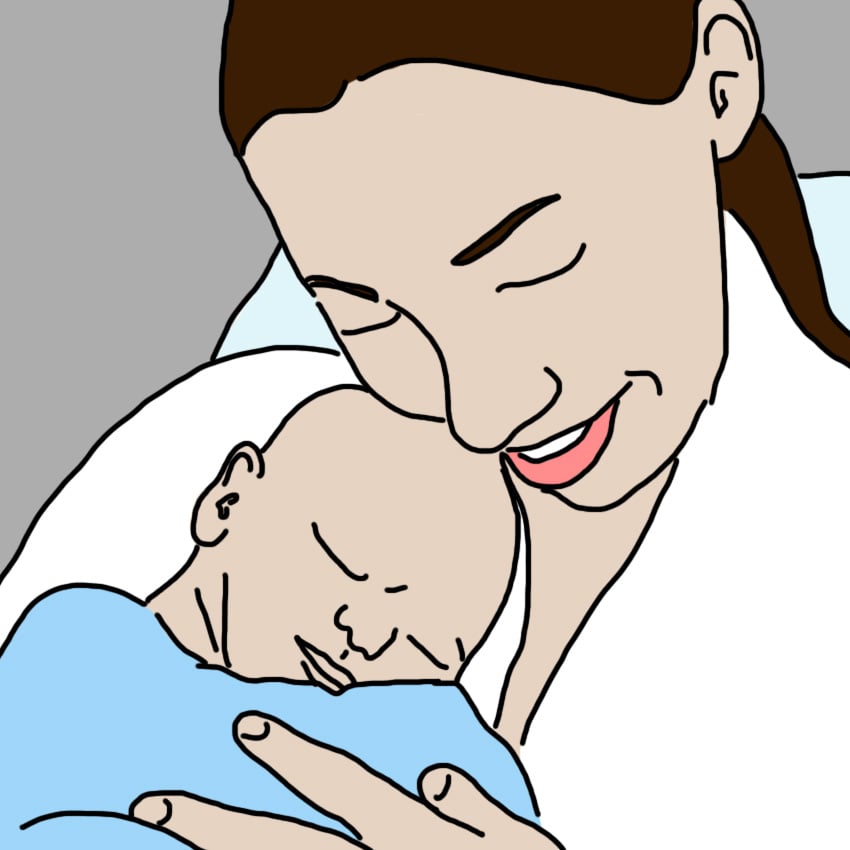
That's OK! Every family is different — and every mother is going to make different decisions for her baby.
The most important part of your childbirth experience is cherishing and bonding with your little one. Only you can know what's best for your body after childbirth!
If you have any personal experience with the practice of eating placenta, let us know in the comments below.
And don't forget to SHARE with friends and family!