Everyone loves trees. They're majestic and beautiful, and they provide us with shade, food, and even the air we breathe. And there's something nice about their large size, too. Something about leaning on or sitting under a big tree makes us feel nice and safe.
But then, humans tend to like miniature things, too. Don't ask us why — we just think tiny is cute! And it's apparently always been the case, too.
In China (and later in Japan), the art of bonsai has been popular since the 6th century. Bonsai are miniature trees, and even miniature forests, created by carefully pruning and trimming a cutting (or seedling) of a normal-size tree to create one small enough to fit in your hands. They can also have other decorative elements like stones, moss, or grass to create a miniature scene.
It takes a good deal of skill to create a perfect bonsai, and people in Japan and beyond have been perfecting the craft for hundreds of years. They're also a great way to get people interested in trees, which are necessary to our planet and deserve to be protected.
Today, bonsai are treasured among their makers and fans, plus they're really quite stunning. If you like mini things and trees, you need to check them out!
[H/T: BoredPanda]

Bonsai are miniature versions of otherwise normal trees, carefully pruned and guided to maintain a small size and even a custom-designed shape. They can be any kind of tree, including pines, deciduous trees, and fruit-bearing trees.
They can be upright, like this miniature redwood (Yes, that's really a redwood!).
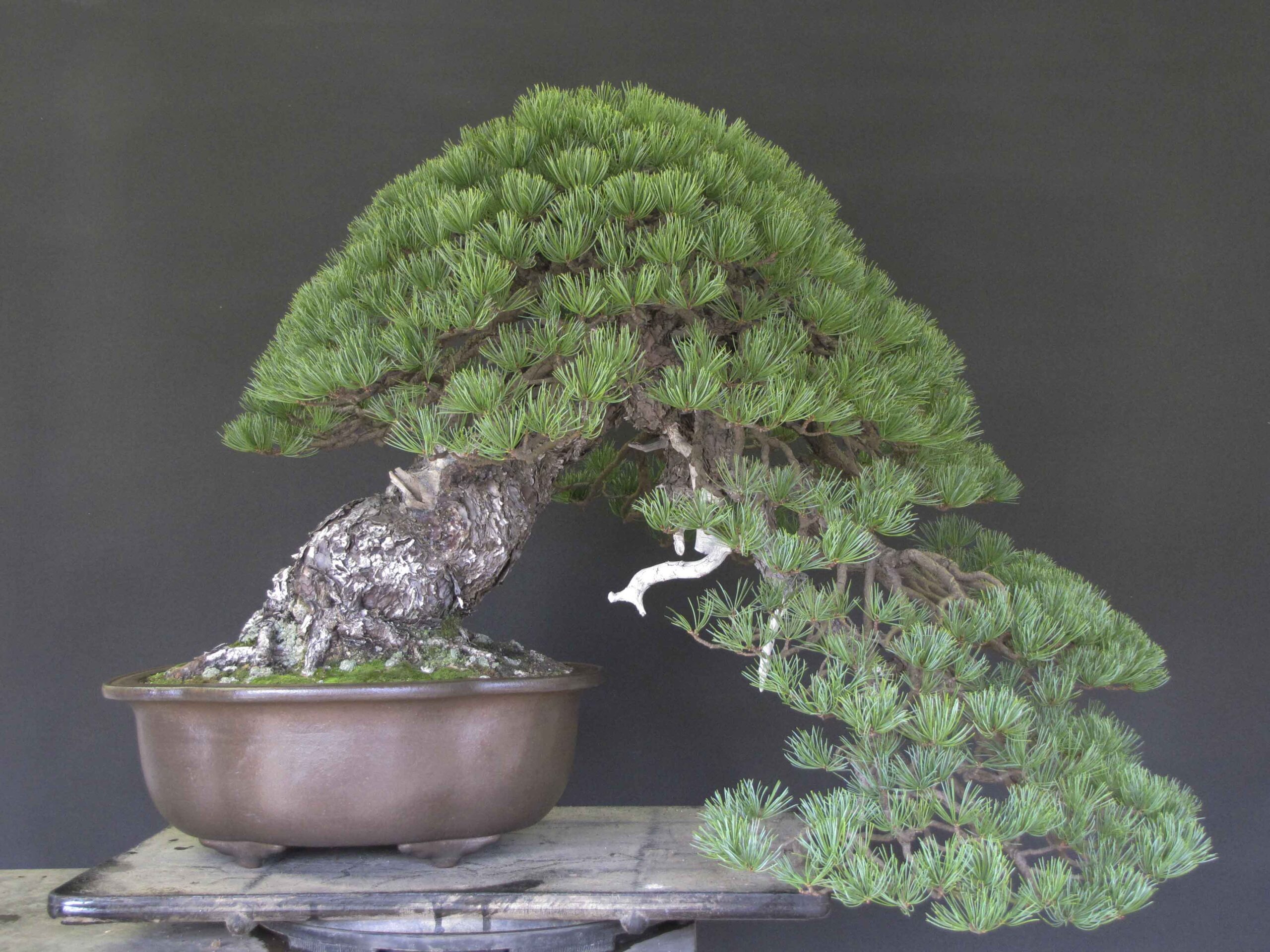
Or they can be trained to grow in this "cascade" style, which is a dramatic, romantic effect. The practice of creating bonsai has been around for over a thousand years, and originally came from China before being adopted in Japan.

And if you want more than one mini tree, you can also try out the "forest" style, which involves several small trees growing together. It's easy to imagine a tiny fairy tale taking place here!

This is the earliest image of a bonsai. It was found in a Tang Dynasty tomb in China, and dates from the year 706.
In the following years, scholars and monks perfected the practice, and produced formal rules, treatises, and even poems about the tiny trees. They've also become cherished symbols of Japan, and the oldest bonsai, which is about 500 years old, is a National Treasure of Japan.

Bonsai, like regular-sized trees, can live for centuries with the proper care and conditions. In fact, many people even make use of the dead parts to create something striking, like this bonsai.

And any tree can be made into a bonsai. All you need is a seedling or cutting, and a lot of patience. This flowering bonsai is actually an apple tree.

And this one is an American redwood.

And they can even grow fruit! Depending on the tree and the conditions, the fruit may be mini-sized like these pomegranates.
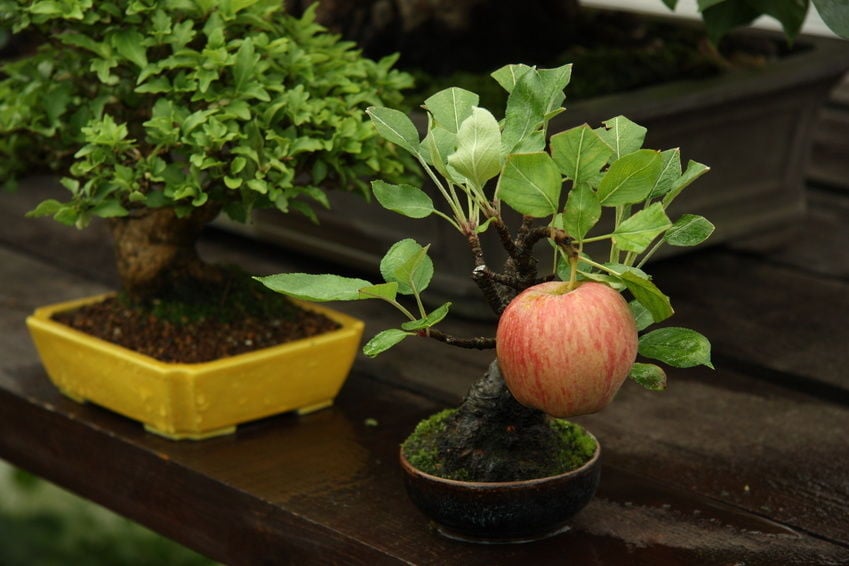
But some bonsai are overachievers, like this apple bonsai, and put out normal-sized fruit that looks huge by comparison!

And while they can get pretty sizeable, bonsai can also be super-tiny, especially when they're first starting out. How cute is this one?

Some people even go above and beyond the traditional bonsai decorations and create whole scenes like this miniature Hobbit house. In the early days, bonsai did include tiny houses and figurines, but as the practice became more associated with Zen Buddhism, the bonsai were simplified.

And while most bonsai are the result of human manipulation, they can sometimes occur naturally. This tiny tree on a lake in British Columbia only had a small amount of space and nutrients, so it made the best of what it had!

And others have fascinating histories. This 150-year-old bonsai survived the WWII bombing of Hiroshima, and has come to be a symbol of rebirth and resilience.

So no matter your favorite style of bonsai, we can all appreciate this ancient and fascinating art form! You can also see many more over on the Subreddit dedicated to bonsai.
Please SHARE these teeny trees with your friends, and let us know if you've ever tried your hand at bonsai!